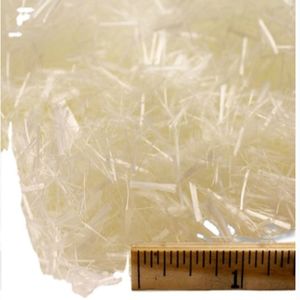
Ngaahi me'a tanaki sima ma'ama'a | Ngaahi fakafofonga Foaming ma'olunga-ngaue ki he sima 'o e selo

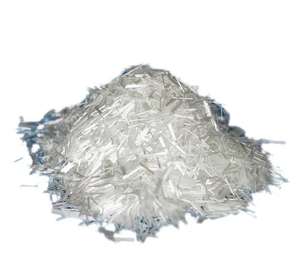
NGAAHI PALAMETA 'O E KOLOA
Fakamatala
Fakakaukau fakalukufua ki he 4 ki he 40mm Epoxy fakatahataha'i 'o e 'akau 'o e fio sio'ata 'o e 'akau 'o e 'akau 'o e Basalt 'o e 'akau .
Mo e fakafepaki ma'olunga-uesia ., 'oku mau 'oatu 'a e ngaahi filo ukamea, ko ha fetongi lelei taha ki he welded uaea mesh 'i he ngaahi faliki 'o e ngaahi ngaue'anga mo e ngaahi 'elemeniti 'o e pre-cast .. 'Oku mau toe 'oatu 'a e ngaahi filo makehe 'o e Structural Synthetic 'oku nau 'oatu 'a e malohi tensile ma'olunga ki he ngaahi polokalama 'oku fie ma'u .. 'Oku movetevete tatau 'a e ngaahi filo ko 'eni 'i he kotoa 'o e fefiofi sima ., fa'u ha netiueka fakaivia 'o e ngaahi tafa'aki lahi 'oku 'ikai lava ke a'usia 'e he ngaahi founga tukufakaholo .. Ko e founga fakatahataha ko eni 'oku ne fakafaingofua'i 'a e langa ., fakavave'i 'a e tu'u'anga, pea fakalahi 'a e angatonu fakakatoa mo e mo'ui fuoloa 'o e sima ., 'oatu ha tali fakaonopooni ki he ngaahi pole 'o e cracking motu'a mo e tu'uloa ..
Ngaahi me'a 'o e . 4 ki he 40mm Epoxy fakatahataha'i 'o e 'akau 'o e fio sio'ata 'o e 'akau 'o e 'akau 'o e Basalt 'o e 'akau .
1. Pule'i 'o e mafesifesi ma'olunga ange mo e fakalahi 'o e tu'uloa .:
Ko e tefito'i me'a 'o 'etau ngaahi filo ko 'enau malava ke bridge fakatou'osi 'a e micro-cracks 'oku fa'u lolotonga 'a e tu'unga 'o e pelesitiki mo e ngaahi mafesifesi lalahi ange 'i he sima fakafefeka .. 'Oku fakatupu 'e he movetevete 'o e tolu-dimensional ko 'eni ha matrix 'oku toe cohesive ange 'oku ne fakafepaki'i 'a e mafola 'o e mafesifesi .. Ko e lelei fakahangatonu ko ha fakasi'isi'i lahi 'i he fakatou'osi 'a e palasitika shrinkage cracking mo e taimi loloa 'o e crack 'a e laulahi .. 'Oku taki 'eni ki ha sima 'oku lahi ange 'a e tolonga mo e permeability ma'ulalo ange ., 'a ia 'oku ne fakalahi 'a e fakafepaki ki he ingress 'o e vai ., maumau 'aisi-momoko, mo e corrosion 'o ha fa'ahinga ukamea 'oku fakahu .. Ko hono olá ko ha fa‘unga ‘oku lōloa ange ‘ene mo‘uí pea fakasi‘isi‘i ange ‘a e ngaahi fakamole ki hono tokanga‘í ..
2. Fakalahi 'a e uesia mo e Abrasion 'a e fakafepaki .:
Ngaahi filo, tautautefito ki he ukamea mo e ngaahi filo macro synthetic fefeka ., fakalelei’i lahi ‘a e fefeka ‘o e sima mo e fakahoko ‘o e hili ‘a e mafesifesi. 'Oku nau absorb mo tufaki 'a e ivi 'i he uesia pe uta .. 'Oku 'omi 'e he fotunga ko 'eni 'a e lelei 'o ha funga 'oku toe fefeka ange 'oku si'isi'i ange 'a e spalling ., sipi, mo e abrasion 'i he lalo fefononga'aki mamafa pe 'a e tui fakamisini .. Ko ha lelei mahu'inga 'eni ki he ngaahi fungavaka ngaue'anga ., ngaahi hala fale koloa, mo e ngaahi poloseki langa fakalakalaka ., ‘o iku ai ki ha funga ‘oku fefeka ange ‘a ia ‘okú ne tauhi ma‘u ‘a ‘ene anga-tonu ‘i he faai mai ‘a e taimí ..
3. Ko e Langa Lelei mo e Fakahaofi Fakamole:
Ko ha me'a mahu'inga 'o hono faka'aonga'i 'o e fio fakaivia ko hono fakangata 'o e welded uaea mesh . (WWF) 'i he ngaahi polokalama lahi. ‘Oku ‘omai ‘e he me‘á ni ‘a e ngaahi ‘aonga lahi ‘aupito ‘i he feitu‘ú .: 'oku ne fakafaingofua'i 'a e tu'u'anga, he 'oku 'ikai ha mesh ke fokotu'u pe 'e malava ke displaced ., pea ‘okú ne fakavave‘i ‘a e founga langa kotoa .. ‘Aki hono to‘o ha sitepu ‘oku lahi ai ‘a e ngāué ., sio 'a e ngaahi poloseki ki he fakasi'isi'i 'o e fakamole ki he ngaue mo e vave ange 'a e taimi 'o e poloseki. 'Oku toe fakapapau'i 'e he tufaki'anga koloa tatau 'o e ngaahi filo 'a e fakaivia tu'uma'u 'i he kotoa 'o e konga sima ., 'ikai hange ko e mesh, ‘a ia ‘e lava ke fokotu‘u ta‘etotonu ., 'o taki atu ki ha fakahoko ngaue falala'anga ange mo tomu'a tala ..

Fakaikiiki 'o e 4 ki he 40mm Epoxy fakatahataha'i 'o e 'akau 'o e fio sio'ata 'o e 'akau 'o e 'akau 'o e Basalt 'o e 'akau .
Fakaikiiki 'o e 4 to 40mm Epoxy Composite Rebar
Material and Construction
Our composite rebar comes in diameters from 4mm to 40mm . It is made using high-strength fibers such as fiberglass (GFRP) or basalt (BFRP), completely wrapped in a protective epoxy resin coating . This layout offers the rebar excellent resistance to rust, kemikale, and harsh weather. ‘Oku ‘ikai ke hangē ko e ukameá ., it will certainly not rust or degrade gradually.
Ngaahi 'ulungaanga 'o e Trick
The rebar is light-weight , weighing regarding one-fourth as high as standard steel rebar. This makes transportation and on-site dealing with much easier. It also has high tensile toughness , often more powerful than steel in pull tests. Due to the fact that it has no metal, it is non-conductive and non-magnetic , which is excellent for projects near power lines, delicate electronics, or MRI centers.
Ngaahi tohi kole
This rebar functions well in numerous building settings. Utilize it in bridges , ngaahi tanuhala , ngaahi fa'unga 'o e vai , tau'anga me'alele , and foundations where dampness or salt direct exposure is an issue. It is also suitable for seismic areas because of its adaptability and fatigue resistance. Professionals pick it when long-term longevity and low maintenance are top priorities.
Standards and Compatibility
Our items satisfy or go beyond international requirements, consisting of ASTM D7957 for GFRP rebar. They can be cut, curved, and set up with standard tools– no special equipment is required. The surface includes a ribbed pattern to guarantee strong bonding with concrete, just like steel rebar.
Dimensions and Accessibility
We provide basic lengths up to 12 mita ʻe 30 , with personalized cuts offered on request. Sizes consist of every common size from 4mm, 6mm, 8mm , completely to 40mm , so you can match your task’s specific architectural requirements. All bars are clearly marked for very easy identification on website.

Ngaahi tohi kole 'o e . 4 ki he 40mm Epoxy fakatahataha'i 'o e 'akau 'o e fio sio'ata 'o e 'akau 'o e 'akau 'o e Basalt 'o e 'akau .
Ngaahi tohi kole 'o e . 4 to 40mm Epoxy Composite, Fio sioʻata, and Lava Rebar
Why Pick Non-Metallic Rebar?
Traditional steel rebar rusts in time. This deteriorates concrete frameworks. Epoxy composite, fio sioʻata, and lava rebar fix this trouble. They do not rust. They last much longer in rough environments. These products are additionally lighter than steel. That makes handling and installation easier.
Common Uses in Construction
These rebars work well in numerous building tasks. Bridges near seas or roadways treated with salt advantage considerably. Salt causes steel to corrosion fast. Non-metallic rebar remains strong for years.
Parking garages often make use of de-icing chemicals. These eat away at steel. Fiberglass or basalt rebar withstands chemical damages.
Marine structures like piers and seawalls encounter constant water exposure. Corrosion is a major concern right here. Epoxy-coated or composite rebar performs much better.
Tunnels and below ground energies need lasting support. Wetness and soil chemicals can degrade steel. Non-metallic alternatives supply trustworthy toughness without corrosion.
Highway barriers and sound walls additionally use these rebars. They lower maintenance prices with time. Specialists save money on repair work and substitutes.
Special Advantages by Product
Fiberglass rebar is very light and electrically non-conductive. It works well in MRI rooms, ngaahi fale ngaohi'anga ivi, or anywhere electromagnetic interference should be avoided.
Lava rebar deals with high temperatures much better than fiberglass. It fits jobs near fire-prone areas or industrial warmth resources.
Epoxy composite rebar combines toughness with smooth surface defense. It bonds well with concrete and withstands breaking.
Kotoa 3 types come in diameters from 4mm to 40mm . This range fits most structural demands– from slim slabs to heavy-load columns. Contractors can match the appropriate size and product to every job’s demands. The outcome is safer, a lot more long lasting infrastructure with less maintenance.
Fakamatala ʻo e Kautaha
Ko kimautolu 'a e taki fakamamani lahi 'i he sima ma'ama'a mo e ngaahi fakalelei'anga foam 'enisinia fakalakalaka .. 'Iloa 'i mamani 'i he'ene tukupa ki he fakatotolo ., fakakaukau fo'ou, mo e taukei faka'aonga'i ., kuo mau 'oatu 'a e ngaahi fakalelei'anga foam 'enisinia talu mei he kamata'anga 'o e 2012’s ..
'E lava ke tau 'oatu 'a e admixture sima tu'unga ma'olunga mo e ngaahi koloa fekau'aki mo e foam sima 'i he mamani kotoa ..
'Oku 'i ai ha potungaue fakatekinikale fakapalofesinale 'a e kautaha mo e potungaue tokanga'i 'o e tu'unga lelei ., ko ha fale fakatotolo fakakemi kuo fakanaunau‘i lelei ., pea fakanaunau'i 'aki 'a e ngaahi me'angaue sivi fakalakalaka mo e senitaa tokoni ki he kasitomaa hili hono fakatau atu ..
Kapau 'oku ke fie'ilo ., kataki 'o ongo'i tau'ataina pea fetu'utaki mai.
Totongi
T/T, ʻIunioni Hihifo, Paypal, Kaati fakamo'ua etc ..
Uta
ʻI he ʻeá, ʻi tahi, 'aki 'a e fakahaa'i, hange ko e kole 'a e kau kasitomaa.
5 Ngaahi fehu'i fehu'i 'o e 4 ki he 40mm Epoxy fakatahataha'i 'o e 'akau 'o e fio sio'ata 'o e 'akau 'o e 'akau 'o e Basalt 'o e 'akau .
Ngaahi Fehuʻi ʻOku Faʻa ʻEke: 4–40mm Epoxy Composite, Fio sioʻata, and Basalt Rebar
What is composite rebar made of?
Composite rebar includes fiberglass (GFRP), basalt (BFRP), and epoxy-coated steel options. These bars use high-strength fibers bonded with polymer resin. Ko hono olá ko ha maʻamaʻa ., non-corrosive alternative to traditional steel rebar.
Why choose composite rebar over steel?
Steel rusts when exposed to moisture or chemicals. Composite rebar does not corrode. It also weighs about one-fourth as much as steel, making transport and handling easier. This reduces labor costs and speeds up installation.
What sizes are available?
We offer composite rebar in diameters from 4mm to 40mm. Common sizes include 6mm, 8mm, 10mm, 12mm, 16mm, 20mm, 25mm, and 32mm. Custom lengths and surface profiles (like ribbed or sand-coated) are also available for better concrete bonding.
Where can I use this rebar?
Use it in bridges, ngaahi langa tahi, tau'anga me'alele, ngaahi ngoue vai veve, and any place where corrosion is a concern. It works well in roads, ngaahi tanuhala, and residential slabs too. Avoid using it in applications requiring high ductility or fire resistance unless specially designed.
Is composite rebar code-approved?
ʻIo. Many international standards recognize GFRP and BFRP rebar, including ACI 440.1R, CSA S806, and ISO 10406-3. Vakaiʻi maʻu pē ʻa e ngaahi lao langa fakalotofonuá kimuʻa peá ke toki fakaʻaongaʻí .. Provide engineering documentation to confirm compliance for your specific project.
KOLE HA QUOTE
NGAAHI KOLOA 'OKU FETU'UTAKI
Factory High Strength Carbon Concrete Fiber Reinforced Polymer Concrete 3k 200g 240g Carbon Fabric
Fale ngaohi'anga feitu'u Polypropylene Pp fio sima fakatupu 'o e polypropylene fio RDP HPMC PCE PVA efuefu sima tanaki atu ki he sima
Momoko Fiberglass FRP Peleti fakatahataha'i 'o e Panel 'o e 'Insulation 'o e sio'ata 'o e fungavaka
Kuo tu'usi 'a e Basalt sima 'o e fio ki he langa 'o e fakamalohi'i Motuhi 'a e fio 'o e Basalt Strand mei he fio 'o e Basalt Roving .
12mm PP Polypropylene sima Microfiber fio monofilament fio ki he sima .