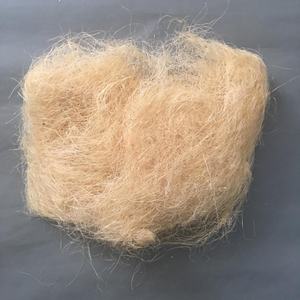
Izongezo zeConcrete eziKhala | Ii-Agents eziFoaming eziSebenza ngokuPhezulu kwiSellula Concrete

IIPARAMETHA ZEMVELISO
Inkcazo
Isishwankathelo se 4 ukuba 40mm Epoxy Composite Rebar Fiberglass Rebar Basalt Rebar
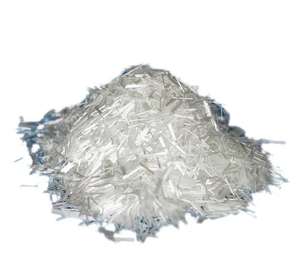
Ngokumelana nempembelelo ephezulu, sinikezela ngeeFibre zeNsimbi, indawo efanelekileyo yemesh yocingo oludityanisiweyo kwimigangatho yefektri kunye nezinto ezenziwe kwangaphambili. Sikwabonelela ngeeFayibha zeStructural Synthetic ezikhethekileyo ezibonelela ngamandla okuqina aphezulu kwizicelo ezibango. Ezi fiber zisasazwa ngokufanayo kulo lonke umxube wekhonkrithi, ukudala inethiwekhi yokuqinisa i-multi-dimensional ukuba iindlela zendabuko azikwazi ukufikelela kuzo. Le ndlela edibeneyo yenza lula ukwakhiwa, ikhawulezisa ukubekwa, kwaye iphucula imfezeko iyonke kunye nobomi obude bekhonkrithi, ukubonelela ngempendulo yale mihla kwimingeni yobudala yokuqhekeka kunye nokuqina.
Iimpawu ze 4 ukuba 40mm Epoxy Composite Rebar Fiberglass Rebar Basalt Rebar
1. Ulawulo oluPhakamileyo lwe-Crack kunye noLondolozo loZinzo:
Olona phawu luphambili lwemicu yethu kukukwazi kwabo ukubhula zombini iintanda ezincinci ezenzeka ngexesha leplastiki kunye nokuqhekeka okukhulu kwikhonkrithi eqinileyo.. Oku kusasazeka kwe-dimensional-dimensional kwenza i-matrix ehlangeneyo ngakumbi echasene nokusasazwa kokuqhekeka. Inzuzo ethe ngqo kukuncitshiswa okubalulekileyo kokuqhekeka kokuqhekeka kweplastiki kunye nobubanzi bexesha elide lokuqhekeka. Oku kukhokelela kwikhonkrithi eyomelele ngakumbi enokungena okuphantsi, nto leyo eyandisa ukuxhathisa ekungeneni kwamanzi, umkhenkce-ncibilika umonakalo, kunye nokubola kwayo nayiphi na intsimbi efakwe ngaphakathi. Isiphumo sisakhiwo esinobomi obude benkonzo kunye nokunciphisa iindleko zokugcina.
2. Ukonyuka kweMpembelelo kunye noKunyangwa kweAbrasion:
Iifayibha, ngakumbi intsimbi kunye neentsinga ze-synthetic macro ezomeleleyo, kuphucula ngokumangalisayo ukuqina kwekhonkrithi kunye nokusebenza emva kokuqhekeka. Bafunxa kwaye basasaze amandla phezu kwempembelelo okanye ukulayisha. Olu phawu lubonelela ngenzuzo yendawo eyomelela ngakumbi engafanelwanga ne-spalling, ukutshiza, kunye ne-abrasion phantsi kwetrafikhi enzima okanye ukunxitywa koomatshini. Le yinzuzo ebalulekileyo kwimigangatho yemizi-mveliso, indawo yokugcina izinto, kunye neeprojekthi zeziseko zophuhliso, ekhokelela kumhlaba onxibe nzima ogcina ingqibelelo yawo ekuhambeni kwexesha.
3. Ubuchule bokwakha kunye noLondolozo lweendleko:
Olona phawu luphambili lokusebenzisa i-fiber reinforcement kukupheliswa kwe-weld wire mesh (WWF) kwizicelo ezininzi. Oku kubonelela ngeenzuzo ezinkulu kwindawo: yenza kube lula ukubeka, njengoko kungekho mesh inokusetwa okanye inokushenxiswa, kwaye ikhawulezisa yonke inkqubo yokwakha. Ngokususa inyathelo elinzima labasebenzi, Iiprojekthi zibona iindleko ezincitshisiweyo zabasebenzi kunye namaxesha eprojekthi akhawulezayo. Ukuhanjiswa okufanayo kweefiber nakho kuqinisekisa ukuqiniswa okuhambelanayo kulo lonke icandelo lekhonkrithi, ngokungafaniyo nomnatha, enokubekwa ngokungafanelekanga, okukhokelela ekusebenzeni okuthembekileyo kunye nokuqikelelwa kwangaphambili.

Inkcazo ye 4 ukuba 40mm Epoxy Composite Rebar Fiberglass Rebar Basalt Rebar
Inkcazo ye 4 to 40mm Epoxy Composite Rebar
Material and Construction
Our composite rebar comes in diameters from 4mm to 40mm . It is made using high-strength fibers such as fiberglass (GFRP) or basalt (BFRP), completely wrapped in a protective epoxy resin coating . This layout offers the rebar excellent resistance to rust, iikhemikhali, and harsh weather. Ngokungafaniyo nentsimbi, it will certainly not rust or degrade gradually.
Iimpawu zeQhinga
The rebar is light-weight , weighing regarding one-fourth as high as standard steel rebar. This makes transportation and on-site dealing with much easier. It also has high tensile toughness , often more powerful than steel in pull tests. Due to the fact that it has no metal, it is non-conductive and non-magnetic , which is excellent for projects near power lines, delicate electronics, or MRI centers.
Usetyenziso
This rebar functions well in numerous building settings. Utilize it in bridges , itonela , izikhokelo zasemanzini , Indawo yokupaka , and foundations where dampness or salt direct exposure is an issue. It is also suitable for seismic areas because of its adaptability and fatigue resistance. Professionals pick it when long-term longevity and low maintenance are top priorities.
Standards and Compatibility
Our items satisfy or go beyond international requirements, consisting of ASTM D7957 for GFRP rebar. They can be cut, igophe, and set up with standard tools– no special equipment is required. The surface includes a ribbed pattern to guarantee strong bonding with concrete, just like steel rebar.
Dimensions and Accessibility
We provide basic lengths up to 12 iimitha , with personalized cuts offered on request. Sizes consist of every common size from 4mm, 6mm, 8mm , completely to 40mm , so you can match your task’s specific architectural requirements. All bars are clearly marked for very easy identification on website.

Usetyenziso lwe 4 ukuba 40mm Epoxy Composite Rebar Fiberglass Rebar Basalt Rebar
Usetyenziso lwe 4 to 40mm Epoxy Composite, I-Fiberglass, and Lava Rebar
Why Pick Non-Metallic Rebar?
Traditional steel rebar rusts in time. This deteriorates concrete frameworks. Epoxy composite, i-fiberglass, and lava rebar fix this trouble. Azirhasi. They last much longer in rough environments. These products are additionally lighter than steel. That makes handling and installation easier.
Usetyenziso oluqhelekileyo kulwakhiwo
These rebars work well in numerous building tasks. Bridges near seas or roadways treated with salt advantage considerably. Salt causes steel to corrosion fast. Non-metallic rebar remains strong for years.
Parking garages often make use of de-icing chemicals. These eat away at steel. Fiberglass or basalt rebar withstands chemical damages.
Marine structures like piers and seawalls encounter constant water exposure. Corrosion is a major concern right here. Epoxy-coated or composite rebar performs much better.
Tunnels and below ground energies need lasting support. Wetness and soil chemicals can degrade steel. Non-metallic alternatives supply trustworthy toughness without corrosion.
Highway barriers and sound walls additionally use these rebars. They lower maintenance prices with time. Specialists save money on repair work and substitutes.
Special Advantages by Product
Fiberglass rebar is very light and electrically non-conductive. It works well in MRI rooms, izixhobo zombane, or anywhere electromagnetic interference should be avoided.
Lava rebar deals with high temperatures much better than fiberglass. It fits jobs near fire-prone areas or industrial warmth resources.
Epoxy composite rebar combines toughness with smooth surface defense. It bonds well with concrete and withstands breaking.
Konke 3 types come in diameters from 4mm to 40mm . This range fits most structural demands– from slim slabs to heavy-load columns. Contractors can match the appropriate size and product to every job’s demands. Isiphumo sikhuselekile, a lot more long lasting infrastructure with less maintenance.
Iprofayile yekhampani
Siyinkokeli yehlabathi kwikhonkrithi ekhaphukhaphu kunye nezisombululo zogwebu zobunjineli obuphambili. Yaziwa kwihlabathi jikelele ngokuzibophelela kuphando, ukusungula izinto ezintsha, kunye nobuchule obusetyenzisiweyo, besibonelela ngezisombululo zamagwebu ezinobunjineli ukusukela ekuqaleni kowama-2012.
Singabonelela ngomxube wekonkrithi okumgangatho ophezulu kunye neemveliso ezinxulumene nekhonkrithi egwebu kwihlabathi liphela.
Inkampani inesebe lobuchwephesha lobuchwephesha kunye nesebe lokulawula umgangatho, ilabhoratri enezixhobo ezifanelekileyo, kwaye ixhotyiswe ngezixhobo zokuvavanya eziphambili kunye neziko lenkonzo yabathengi emva kokuthengisa.
Ukuba unomdla, nceda uzive ukhululekile kwaye uqhagamshelane nathi.
Intlawulo
T/T, uwestern Union, I-Paypal, Ikhadi letyala njl.
Ukuthunyelwa ngenqanawa
Ngomoya, ngolwandle, nge-express, njengoko abathengi becela.
5 Ii-FAQ ze 4 ukuba 40mm Epoxy Composite Rebar Fiberglass Rebar Basalt Rebar
Imibuzo ebuzwa qho: 4–40mm Epoxy Composite, I-Fiberglass, and Basalt Rebar
What is composite rebar made of?
Composite rebar includes fiberglass (GFRP), basalt (BFRP), and epoxy-coated steel options. These bars use high-strength fibers bonded with polymer resin. Isiphumo sisikhaphukhaphu, non-corrosive alternative to traditional steel rebar.
Why choose composite rebar over steel?
Steel rusts when exposed to moisture or chemicals. Composite rebar does not corrode. It also weighs about one-fourth as much as steel, making transport and handling easier. This reduces labor costs and speeds up installation.
Ziziphi iisayizi ezikhoyo?
We offer composite rebar in diameters from 4mm to 40mm. Common sizes include 6mm, 8mm, 10mm, 12mm, 16mm, 20mm, 25mm, and 32mm. Custom lengths and surface profiles (like ribbed or sand-coated) are also available for better concrete bonding.
Where can I use this rebar?
Use it in bridges, izakhiwo zaselwandle, iigaraji zokupaka, izityalo zamanzi amdaka, and any place where corrosion is a concern. It works well in roads, itonela, and residential slabs too. Avoid using it in applications requiring high ductility or fire resistance unless specially designed.
Is composite rebar code-approved?
Ewe. Many international standards recognize GFRP and BFRP rebar, including ACI 440.1R, CSA S806, and ISO 10406-3. Always check local building codes before use. Provide engineering documentation to confirm compliance for your specific project.
CELA ISICATSHULWA
IIMVELISO EZINXULUMENEYO
0.8mm 24 Oz Isimbo 3784 I-Thermal Insulation kunye neFayibha yeFayibha yeGlasi engenamlilo

polypropylene fiber PP fiber for foam concrete
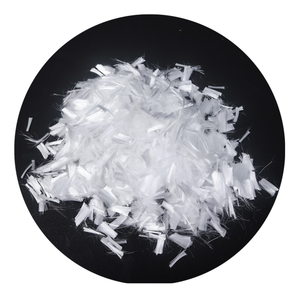
Polypropylene pp IFayibha for Concrete ngcono ukushwabana ukumelana
Ibhodi yeSamente yoXinano oluPhakamileyo lweConcrete yeFiber Cement yoLwakhiwo lwaSimahla lweZakhiwo
Carbon Fiber Mesh For Structure Concrete Reinforcement Grid