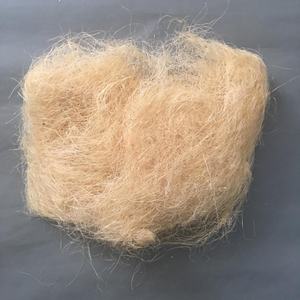
Ihe mgbakwunye ihe dị fechaa | Ndị na-ahụ maka ụfụfụ na-arụ ọrụ dị elu maka ihe nhịahụ cellular


PRAMETERS ngwaahịa
Nkọwa
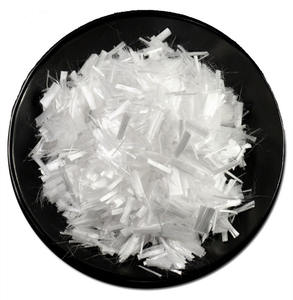
Overview of Polypropylene Monofilament Concrete Fiber
Maka nguzogide mmetụta dị elu, anyị na-enye Steel Fibers, ezigbo ndochi maka welded waya ntupu na ulo oru ala na tupu nkedo ihe. Anyị na-enyekwa eriri sịntetịtịk Structural pụrụ iche nke na-enye ike tensile dị elu maka ngwa na-achọsi ike. A na-agbasasị eriri ndị a n'otu n'otu n'ime ngwakọta kọmpụta, ịmepụta netwọk nkwado ọtụtụ akụkụ nke usoro ọdịnala na-enweghị ike imezu. Usoro a jikọtara ọnụ na-eme ka owuwu dị mfe, na-eme ka ntinye ngwa ngwa, na enhances n'ozuzu iguzosi ike n'ezi ihe na ogologo ndụ nke ihe, na-enye azịza ọgbara ọhụrụ maka mgbawa mgbawa na ogologo oge.
Features of Polypropylene Monofilament Concrete Fiber
1. Njikwa mgbapeka dị elu yana ịdịte aka emelitere:
Akụkụ bụ isi nke eriri anyị bụ ikike ha nwere ijikọ ma micro-cracks nke na-etolite n'oge steeti plastik yana mgbawa buru ibu na kọmpụta siri ike.. Mgbasa nke akụkụ atọ a na-emepụta matriks na-ejikọta ọnụ nke na-egbochi mgbasa mgbape. Uru a na-enweta kpọmkwem bụ mbelata dị ukwuu na mgbawa plastic shrinkage na obosara ogologo oge. Nke a na-eduga na a ukwuu ọzọ inogide ihe na ala permeability, nke na-eme ka iguzogide mmiri na-abanye, ifriizi-mebie mmebi, na corrosion nke ígwè ọ bụla agbakwunyere. Ihe si na ya pụta bụ nhazi nke nwere ogologo ndụ ọrụ yana belata ụgwọ ọrụ nlekọta.
2. Mmụba Mmetụta yana Mgbochi Abrasion:
eriri, karịsịa ígwè na siri ike sịntetik nnukwu eriri, na-emeziwanye ike nke ihe siri ike na ịrụ ọrụ mgbe mgbawa gasịrị. Ha na-amịkọrọ ma kesaa ike n'elu mmetụta ma ọ bụ ibu. Njirimara a na-enye abamuru nke elu na-agbanwe agbanwe nke na-adịchaghị mfe spalling, chipping, na abrasion n'okpuru oké okporo ụzọ ma ọ bụ n'ibu eyi. Nke a bụ uru dị oke egwu maka ala ụlọ ọrụ mmepụta ihe, pavement ụlọ nkwakọba ihe, na akụrụngwa akụrụngwa, na-eduga n'elu elu na-eyi ihe siri ike nke na-edobe iguzosi ike n'ezi ihe ya ka oge na-aga.
3. Ịrụ ọrụ nke ọma na ego ego:
Otu akụkụ dị mkpa nke iji nkwado eriri bụ mkpochapụ ntupu eriri welded (WWF) n'ọtụtụ ngwa. Nke a na-enye nnukwu uru na saịtị: ọ na-eme ka ntinye dị mfe, n'ihi na enweghị ntupu a ga-edozi ma ọ bụ nwee ike ịkwapụ, na ọ na-eme ka usoro ihe owuwu ahụ dum dịkwuo elu. Site n'iwepụ nzọụkwụ na-akpa ike, oru ngo na-ahụ mbelata ụgwọ ọrụ na usoro iheomume ngwa ngwa. Nkesa otu nke eriri na-eme ka nkwado na-agbanwe agbanwe na mpaghara kọmpụta niile, n'adịghị ka ntupu, nke enwere ike itinye ya n'ụzọ na-ekwesịghị ekwesị, na-eduga na arụmọrụ a pụrụ ịdabere na ya na nke a pụrụ ịkọ.

Specification of Polypropylene Monofilament Concrete Fiber
Polypropylene Monofilament Concrete Fiber– Ụdị ngwaahịa
Ihe na Ọdịdị
Emere eriri a site na 100% polypropylene. It has a single-strand (monofilament) structure with a smooth surface. The raw product satisfies worldwide high quality requirements for building and construction ingredients.
Njirimara anụ ahụ igodo
The fiber’s diameter ranges from 18 ka 45 microns. Its tensile toughness surpasses 450 MPa. The flexible modulus is over 3.5 Nkezi ọkwa ọkwa. The melting point sits around 165 Celsius C. These fibers stand up to antacids, acids, and other chemicals found in concrete atmospheres. They do not rust or break down in time.
Length Alternatives
Standard sizes include 6 mm, 12 mm, 19 mm, na 38 mm. Custom lengths are available upon request. Much shorter fibers match thin-section applications like overlays. Longer fibers work better in structural concrete mixes.
Product packaging and Dosage
Fiber dị na ya 0.6 n'arọ ma ọ bụ 1.0 kg mmiri-soluble akpa. Mass packaging is additionally used for huge projects. Regular dosage prices vary from 0.6 ka 1.0 n'arọ kwa cubic mita nke ihe. Specific quantities rely on the mix style and performance objectives.
Mmasị arụmọrụ
Adding these fibers reduces plastic shrinking fractures during early healing. They enhance effect resistance and strength. The fibers distribute equally in the mix without balling. This leads to consistent performance across the whole batch. Workability remains secure when correct mixing procedures are adhered to.
Ngwa
Utilize these fibers in slabs-on-grade, okporo ụzọ, shotcrete, precast components, na ala ụlọ azụmahịa. They appropriate for property, azụmahịa, na akụrụngwa ọrụ. Always adhere to local building codes and blend guidelines.
Ijikwa na Nchekwa
Shop fibers in a dry, trendy area far from straight sunlight. Maintain packages sealed up until usage. Prevent direct exposure to wetness to preserve flowability during batching. No unique safety gear is needed beyond standard construction PPE.
Applications of Polypropylene Monofilament Concrete Fiber
Applications of Polypropylene Monofilament Concrete Fiber
Why Make Use Of Polypropylene Monofilament Fibers?
Polypropylene monofilament concrete fibers are slim, solid strands contributed to concrete blends. They help manage cracking and enhance toughness. These fibers mix conveniently right into wet concrete and spread equally throughout the set.
Mebie njikwa na slabs na pavement
One significant use is in flooring pieces, okporo ụzọ, and industrial pavements. Dị ka kọnkịrị nkụ, it diminishes. This shrinkage usually causes small cracks. The fibers hold the concrete together throughout this process. They lower the number and dimension of cracks that form at an early stage.
Shotcrete and Passage Linings
These fibers work well in shotcrete applications. Shotcrete is sprayed onto surfaces like tunnel wall surfaces or slopes. Adding polypropylene monofilament fibers increases communication. It additionally reduces rebound– the product that bounces off during spraying. This makes the lining stronger and more uniform.
Pre-Cast Concrete Products
Producers make use of these fibers in pre-cast items such as pipes, ihe mgbochi, na panel. The fibers enhance effect resistance. They additionally aid the item take care of dealing with and transport without damaging. This causes less broken devices and reduced waste.
Residential na Light Commercial Job
For pathways, n'èzí patios, na ebe a na-adọba ụgbọala, polypropylene monofilament fibers offer basic, economical support. They replace or decrease the requirement for cable mesh. Setup ends up being faster because there’s no mesh to placement or assistance.
Water and Wastewater Frameworks
In containers, akpa, and channels, long-lasting rigidity issues. Cracks can cause leaks. The fibers restrict crack widths, which assists keep water in and contaminants out. This enhances the framework’s service life with minimal additional expense.
Uru aghụghọ: Ihe eriri ndị a anaghị emebi emebi. N'adịghị ka ígwè, they will not corrosion when revealed to dampness or chemicals. This makes them suitable for damp or harsh environments.
Ọ dị mfe iji: Enweghị akụrụngwa pụrụ iche achọrọ. Simply add the fibers during blending. They blend in rapidly and don’t slow down the work.
Nkọwapụta Ụlọ ọrụ
Anyị bụ ndị ndu zuru ụwa ọnụ na ngwọta ụfụfụ dị fechaa na nke dị elu. Amara ụwa niile maka ntinye aka ya na nyocha, ihe ọhụrụ, na etinyere nka nka, anyị na-enye ihe ngwọta ụfụfụ emepụtara kemgbe mmalite 2012.
Anyị nwere ike na-enye elu-edu ihe admixture na ụfụfụ ihe metụtara ngwaahịa n'ụwa nile.
Ụlọ ọrụ ahụ nwere ngalaba ọkachamara ọkachamara na ngalaba nlekọta àgwà, ụlọ nyocha nke ọma, na kwadebere na elu ule akụrụngwa na mgbe-sales ahịa ọrụ center.
Ọ bụrụ na ị nwere mmasị, biko nweere onwe gị ma kpọtụrụ anyị.
Ịkwụ ụgwọ
T/T, Western Union, Paypal, Kaadị kredit wdg.
Mbupu
Site n'ikuku, site n'oké osimiri, site na nkwuwa okwu, dị ka ndị ahịa na-arịọ.
5 FAQs of Polypropylene Monofilament Concrete Fiber
Frequently Asked Questions About Polypropylene Monofilament Concrete Fiber
What is polypropylene monofilament concrete fiber?
It is a single-strand synthetic fiber made from polypropylene. Builders mix it into concrete or mortar to help control cracking and improve toughness. The fiber is thin, ike, na evenly ekesa ofụri mix.
Kedu ihe kpatara tinye eriri a na kọmpụta?
Concrete can crack as it dries or under stress. These fibers hold the material together when tiny cracks start to form. They do not replace steel reinforcement but work alongside it to reduce surface cracks and boost impact resistance.
How much fiber should be used?
Ụdị usoro onunu ogwu sitere na 0.6 ka 1.0 n'arọ kwa cubic mita nke ihe. Soro ntuziaka onye nrụpụta mgbe niile. Too little may not help much. Too much can make mixing difficult or affect workability.
Enwere ike ịgwakọta ya na mgbakwunye ndị ọzọ?
Ee. This fiber works well with common concrete admixtures like water reducers, ndị na-eme ihe na-eme ka ikuku, or superplasticizers. Just add it during the normal mixing process. Make sure all materials are compatible by checking product data sheets first.
Does it affect how concrete looks or finishes?
Mba. The fibers are very fine and disperse evenly. They do not show on the surface after finishing. Ị ka nwere ike stampụ, trowel, or polish the concrete as usual. The final appearance stays clean and smooth.
RỊỌRỌ OKWU
Ngwaahịa ndị metụtara
Ihe niile PP Fiber Cement Polypropylene na-eme ka ihe mgbakwunye ihe mgbakwunye polypropylene
Polypropylene Concrete Fiber nke na-adịghị agwụ agwụ maka ọrụ nrụpụta mgbapeka emelitere.

Factory High Tensile Strength Basalt Fiber Mesh Geogrid Concrete Reinforcement
Hot High Tensile Strength E Glass Fiber Chopped Strand For Concrete
Ihe mgbakwunye cellulose concrete fiber iji meziwanye mgbawa nguzogide nke ihe.