


Nga Whakapiri Raima Maamaa | Nga Kaipupuhi Hukarere Mahinga Nui mo te Raima Pukoro


NGA TAATA HUA
Whakaahuatanga
Overview of Polypropylene Monofilament Concrete Fiber
Mo te parenga-nui, ka whakaekea e matou nga muka maitai, he whakakapinga pai mo te waea waea paiherea i roto i nga papa ahumahi me nga waahanga o mua. Ka whakaratohia ano hoki e matou nga muka Hanganga Hanganga motuhake e tuku ana i te kaha kaha mo te tono tono.. Ka marara rite enei muka puta noa i te ranunga raima, te hanga i te kupenga whakakaha-maha e kore e taea e nga tikanga tuku iho. Ko tenei huarahi whakauru ka ngawari te hanga, ka whakatere i te whakanohonga, me te whakanui ake i te pono me te roa o te raima, he whakautu hou mo nga wero tawhito me te mauroa.
Features of Polypropylene Monofilament Concrete Fiber
1. Mana Kapiti Kairangi me te Maamaa Whakarei:
Ko te ahuatanga tuatahi o a tatou muka ko to raatau kaha ki te hono i nga kapiti moroiti e rua ka puta i te wa o te ahua kirihou me nga kapiti nui atu i roto i te raima whakapakeke.. Ko tenei marara e toru-ahu ka hanga he matrix kaha ake hei aukati i te whakatipu kapiti. Ko te painga tika ko te whakahekenga nui i roto i nga kapiti whakaheke kirihou me te whanui kapiti mo te wa roa. Ka puta tenei ki te raima tino roa ake me te iti o te uruhanga, e whakanui ana i te aukati ki te whakauru wai, te mate huka-rewa, me te waikura o tetahi rino whakauru. Ko te hua ko te hanganga me te roa o te oranga ratonga me te whakaiti i nga utu tiaki.
2. Te Whakanuia o te Paanga me te Atete Abrasion:
Nga muka, ina koa te rino me nga muka tonotono waihanga pakari, te whakapai ake i te pakari o te raima me te mahi i muri i te kapiti. Ka mimiti, ka tohatoha i te kaha i runga i te paanga, te uta ranei. Ko tenei ahuatanga e whakarato ana i te painga o te mata kaha ake ka iti ake te waahi ki te pakaru, maramara, me te abrasion i raro i nga waka taumaha me nga kakahu miihini. He painga nui tenei mo nga papa ahumahi, nga papahanga whare putunga, me nga kaupapa hanganga, e arai ana ki te mata pakeke ake e mau tonu ana tona tapatahi i roto i te waa.
3. Te Mahi Hanga me te Tiaki Utu:
Ko tetahi ahuatanga nui o te whakamahi i te whakakaha muka ko te whakakore i nga waea waea paiherea (WWF) i roto i nga tono maha. Ka whakarato tenei i nga painga nui i runga i te waahi: he whakangawari te whakatakotoranga, i te mea karekau he mata hei whakatu, ka nukuhia ranei, a ka whakatere i te katoa o nga mahi hanga. Na roto i te tango i tetahi mahi mahi, ka kite nga kaupapa i te hekenga o nga utu mo nga kaimahi me te tere ake o nga waahi kaupapa. Ko te tohatoha rite o nga muka ka whakarite kia rite tonu te whakakaha puta noa i te waahanga raima katoa, kaore i rite ki te mata, ka taea te whakanoho hee, ka nui ake te pono me te matapae mahi.

Specification of Polypropylene Monofilament Concrete Fiber
Polypropylene Monofilament Concrete Fiber– Hua Spec
Rauemi me te Hanganga
He mea hanga mai i tenei muka 100% polypropylene. It has a single-strand (monofilament) structure with a smooth surface. The raw product satisfies worldwide high quality requirements for building and construction ingredients.
Key Physical Properties
The fiber’s diameter ranges from 18 ki 45 microns. Ka nui ake te kaha o tana uaua 450 MPa. The flexible modulus is over 3.5 Tauwaenga tohu. The melting point sits around 165 ° C. These fibers stand up to antacids, waikawa, and other chemicals found in concrete atmospheres. They do not rust or break down in time.
Length Alternatives
Standard sizes include 6 mm, 12 mm, 19 mm, a 38 mm. Custom lengths are available upon request. Much shorter fibers match thin-section applications like overlays. Longer fibers work better in structural concrete mixes.
Product packaging and Dosage
Fibers are available in 0.6 kg ranei 1.0 kg peke wai-wairewa. Mass packaging is additionally used for huge projects. Regular dosage prices vary from 0.6 ki 1.0 kg ia mita pūtoru o te raima. Specific quantities rely on the mix style and performance objectives.
Nga Mahi Mahi
Adding these fibers reduces plastic shrinking fractures during early healing. They enhance effect resistance and strength. The fibers distribute equally in the mix without balling. This leads to consistent performance across the whole batch. Workability remains secure when correct mixing procedures are adhered to.
Nga tono
Utilize these fibers in slabs-on-grade, huarahi huarahi, perehana, nga waahanga o mua, me nga papa hokohoko. They appropriate for property, pakihi, and facilities tasks. Always adhere to local building codes and blend guidelines.
Te Whakahaere me te Rokiroki
Shop fibers in a dry, trendy area far from straight sunlight. Maintain packages sealed up until usage. Prevent direct exposure to wetness to preserve flowability during batching. No unique safety gear is needed beyond standard construction PPE.
Applications of Polypropylene Monofilament Concrete Fiber
Applications of Polypropylene Monofilament Concrete Fiber
Why Make Use Of Polypropylene Monofilament Fibers?
Polypropylene monofilament concrete fibers are slim, solid strands contributed to concrete blends. They help manage cracking and enhance toughness. These fibers mix conveniently right into wet concrete and spread equally throughout the set.
Break Control in Slabs and Pavements
One significant use is in flooring pieces, nga huarahi taraiwa, and industrial pavements. Ka maroke te raima, ka iti haere. This shrinkage usually causes small cracks. The fibers hold the concrete together throughout this process. They lower the number and dimension of cracks that form at an early stage.
Shotcrete and Passage Linings
These fibers work well in shotcrete applications. Shotcrete is sprayed onto surfaces like tunnel wall surfaces or slopes. Adding polypropylene monofilament fibers increases communication. It additionally reduces rebound– the product that bounces off during spraying. This makes the lining stronger and more uniform.
Pre-Cast Concrete Products
Producers make use of these fibers in pre-cast items such as pipes, poraka, me nga panui. The fibers enhance effect resistance. They additionally aid the item take care of dealing with and transport without damaging. This causes less broken devices and reduced waste.
Nga Mahi Tauhokohoko Noho me te Maama
For pathways, parati waho, me nga papa karati, polypropylene monofilament fibers offer basic, economical support. They replace or decrease the requirement for cable mesh. Setup ends up being faster because there’s no mesh to placement or assistance.
Water and Wastewater Frameworks
In containers, ipu, and channels, long-lasting rigidity issues. Cracks can cause leaks. The fibers restrict crack widths, which assists keep water in and contaminants out. This enhances the framework’s service life with minimal additional expense.
Trick Benefit: These fibers do not corrode. Kaore i rite ki te maitai, they will not corrosion when revealed to dampness or chemicals. This makes them suitable for damp or harsh environments.
Hewari ki te Whakamahi: Kaore he taputapu motuhake e hiahiatia ana. Simply add the fibers during blending. They blend in rapidly and don’t slow down the work.
Kōtaha Kamupene
Ko matou te kaihautu o te ao mo nga raima maamaa me nga otinga pahuka i hangaia. E mohiotia ana puta noa i te ao mo tana pono ki te rangahau, auahatanga, me te tohungatanga tono, kua whakaratohia e matou he otinga pahuka i hangaia mai i te timatanga o te tau 2012.
Ka taea e matou te whakarato i te whakauru raima kounga teitei me nga hua e pa ana ki te raima pahuka puta noa i te ao.
Ko te kamupene he tari hangarau ngaio me te tari tirotiro kounga, he taiwhanga pai rawa atu, me nga taputapu whakamatautau matatau me te pokapū ratonga kaihoko muri-hoko.
Mena kei te hiahia koe, tēnā koa whakapā mai ki a mātou.
Utu
T/T, Western Union, Paypal, Kaari nama etc.
Tukunga
Ma te hau, ma te moana, mā te whakapuaki, kia rite ki te tono a nga kaihoko.
5 FAQs of Polypropylene Monofilament Concrete Fiber
Frequently Asked Questions About Polypropylene Monofilament Concrete Fiber
What is polypropylene monofilament concrete fiber?
It is a single-strand synthetic fiber made from polypropylene. Builders mix it into concrete or mortar to help control cracking and improve toughness. The fiber is thin, kaha, ka tohatoha noa puta noa i te ranunga.
He aha te taapiri i tenei muka ki te raima?
Ka pakaru te raima ina maroke, i raro ranei i te ahotea. These fibers hold the material together when tiny cracks start to form. They do not replace steel reinforcement but work alongside it to reduce surface cracks and boost impact resistance.
How much fiber should be used?
Ko te inenga angamaheni awhe i 0.6 ki 1.0 kg ia mita pūtoru o te raima. Me whai tonu i nga tohutohu a te kaihanga. He iti rawa pea karekau e tino awhina. Too much can make mixing difficult or affect workability.
Ka taea te whakauru ki etahi atu taapiri?
Ae. This fiber works well with common concrete admixtures like water reducers, nga kaihoko hau, superplasticizers ranei. Me tapiri noa i te wa o te mahi whakaranu noa. Make sure all materials are compatible by checking product data sheets first.
Does it affect how concrete looks or finishes?
Kao. The fibers are very fine and disperse evenly. Kaore e whakaatuhia ki te mata i muri i te mutunga. Ka taea tonu e koe te haina, poroporo, or polish the concrete as usual. The final appearance stays clean and smooth.
TONO HE KORERO
HUA HUA
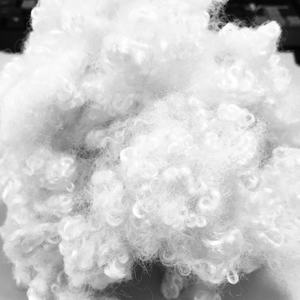
Polypropylene Staple Fiber mo te Raima Whakapakari i te Whakapakari Polypropylene Fiber PP Fiber

te kounga teitei o te raima whakakaha Te karaihe muka nga whenu tapatapahi 12.0mm muka tapatapahi mo te sima

PP Fiber Kounga teitei Raima Tonotono Polyester PP Fiber Synthetic PP Miro Fiber Polypropylene

4×4 5cm Whaiaro Apiripiri Fiber Glass Drywall Hononga Taiepa Kapiti Whakatika Whakapumautanga Fiberglass Mesh Tape
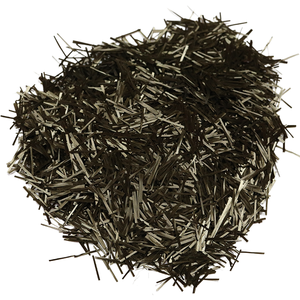
Factory Polypropylene Fiber for Concrete
