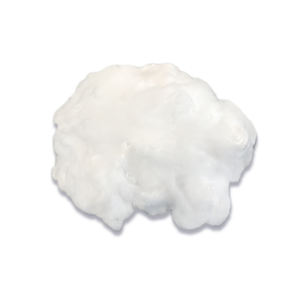
Mea Faaopoopo Sima Mama | Su'esu'e Foa'e maualuga mo le Sima Cellular


FA'AVAE FA'AVAE
Fa'amatalaga
Overview of Polypropylene Monofilament Concrete Fiber
Mo tete'e maualuga-a'afiaga, matou te ofoina atu uamea Fibers, o se sui lelei mo mata uaea uelo i fola fale gaosimea ma elemene muamua lafo. Matou te tuʻuina atu foʻi faʻapitoa Structural Synthetic Fibers e ofoina atu le malosi maualuga mo le faʻaogaina o talosaga.. O alava ia o lo'o salalau solo i totonu o le paluga sima, faia o se feso'ota'iga fa'amalosia tele e le mafai ona ausia e auala masani. O lenei faiga tu'ufa'atasia e fa'afaigofie ai le fausiaina, faatelevaveina le tu'uina, ma fa'aleleia ai le fa'amaoni atoa ma le umi o le sima, tu'uina atu se tali fa'aonaponei i lu'itau ta'e tuai ma le tumau.
Features of Polypropylene Monofilament Concrete Fiber
1. Pulea Ta'eta'e Sili ma Fa'aleleia le Maumau:
O le uiga autu o a tatou alava o lo latou gafatia e faʻafesoʻotaʻi uma micro-taʻetaʻe e faia i le taimi o le tulaga palasitika ma taʻe tetele i totonu o sima malo.. O lenei fa'ata'apeina e tolu-dimensional e fa'atupuina ai se matrix e sili atu ona tu'ufa'atasi e tete'e ai le fa'atupuina o ta. O le fa'amanuiaga tuusa'o o se fa'aitiitiga tele i le ta'e palasitika ma le lautele o le ta'e umi. O le mea lea e tau atu ai i se sima e sili atu ona umi ma maualalo le faʻaogaina, lea e fa'aleleia atili ai le tete'e atu i vai fa'aulu, fa'aleagaina fa'a'aisa, ma a'a o so'o se uamea fa'apipi'i. O le taunuuga o se fausaga e umi atu le ola tautua ma faʻaititia le tau o le tausiga.
2. Fa'ateleina A'afiaga ma Fa'asa'o:
Fibre, aemaise lava alava macro synthetic u'amea malosi, fa'aleleia atili le malosi o le sima ma le fa'atinoina o le ta'e. Latou te mitiia ma tufatufa atu le malosi i luga o le aʻafiaga poʻo le utaina. O lenei fa'aaliga e maua ai le fa'amanuiaga o se mea e sili atu ona maufetuuna'i e fa'aitiitia ai le fa'afefe, tipi, ma abrasion i lalo o le mamafa o taavale poʻo masini faʻainisinia. Ose tulaga taua tele lea mo fola fale gaosimea, fola faleteuoloa, ma galuega tetele, e taʻitaʻia atu i luga o se mea e sili atu ona faʻaofuofu e faʻatumauina lona faʻamaoni i le aluga o taimi.
3. Lelei Faufale ma Fa'asaoina Tau:
O se vaega autu o le faʻaaogaina o le fiber faʻamalosia o le faʻaumatiaina o le uaea faʻafefe (WWF) i le tele o talosaga. E maua ai le tele o fa'amanuiaga i luga ole laiga: e faafaigofie ai le tuu, ona e leai se mata e fa'atūina pe ono fa'ase'e, ma e faatelevaveina ai le faagasologa atoa o le fausiaina. E ala i le aveesea o se laasaga galue malosi, o poloketi e va'aia le fa'aitiitia o tau o tagata faigaluega ma fa'avave taimi fa'atulagaina o galuega. O le tufatufaina tutusa o alava e mautinoa ai foi le faʻamalosia faifaipea i le vaega sima atoa, e le pei o mata, lea e mafai ona le lelei ona tuu, e taʻitaʻia ai le faʻatuatuaina ma le faʻatinoina o galuega.

Specification of Polypropylene Monofilament Concrete Fiber
Polypropylene Monofilament Concrete Fiber– Oloa Fa'amatalaga
Meafaitino ma Fauga
O lenei fiber e faia mai 100% polypropylene. It has a single-strand (monofilament) structure with a smooth surface. The raw product satisfies worldwide high quality requirements for building and construction ingredients.
Key Physical Properties
The fiber’s diameter ranges from 18 ia 45 microns. E sili atu lona malo malosi 450 MPa. The flexible modulus is over 3.5 togi averesi. The melting point sits around 165 °C. These fibers stand up to antacids, acids, and other chemicals found in concrete atmospheres. They do not rust or break down in time.
Length Alternatives
Standard sizes include 6 mm, 12 mm, 19 mm, ma 38 mm. Custom lengths are available upon request. Much shorter fibers match thin-section applications like overlays. Longer fibers work better in structural concrete mixes.
Product packaging and Dosage
Fibers e maua i totonu 0.6 kg po o 1.0 kilokalama taga vai solu. Mass packaging is additionally used for huge projects. Regular dosage prices vary from 0.6 ia 1.0 kilokalama i mita kupita sima. Specific quantities rely on the mix style and performance objectives.
Fa'atinoga Fa'atino
Adding these fibers reduces plastic shrinking fractures during early healing. They enhance effect resistance and strength. The fibers distribute equally in the mix without balling. This leads to consistent performance across the whole batch. Workability remains secure when correct mixing procedures are adhered to.
Talosaga
Utilize these fibers in slabs-on-grade, ala savali, fana, vaega mua'i lafo, ma fola faapisinisi. They appropriate for property, pisinisi, ma galuega fai fale. Always adhere to local building codes and blend guidelines.
Taulimaina ma Teuina
Fa'atau alava i se mea mago, trendy area far from straight sunlight. Maintain packages sealed up until usage. Prevent direct exposure to wetness to preserve flowability during batching. No unique safety gear is needed beyond standard construction PPE.
Applications of Polypropylene Monofilament Concrete Fiber
Applications of Polypropylene Monofilament Concrete Fiber
Why Make Use Of Polypropylene Monofilament Fibers?
Polypropylene monofilament concrete fibers are slim, solid strands contributed to concrete blends. They help manage cracking and enhance toughness. These fibers mix conveniently right into wet concrete and spread equally throughout the set.
Break Control in Slabs and Pavements
One significant use is in flooring pieces, auala taavale, and industrial pavements. As concrete dries, it diminishes. This shrinkage usually causes small cracks. The fibers hold the concrete together throughout this process. They lower the number and dimension of cracks that form at an early stage.
Shotcrete and Passage Linings
These fibers work well in shotcrete applications. Shotcrete is sprayed onto surfaces like tunnel wall surfaces or slopes. Adding polypropylene monofilament fibers increases communication. It additionally reduces rebound– the product that bounces off during spraying. This makes the lining stronger and more uniform.
Pre-Cast Concrete Products
Producers make use of these fibers in pre-cast items such as pipes, poloka, ma laulau. The fibers enhance effect resistance. They additionally aid the item take care of dealing with and transport without damaging. This causes less broken devices and reduced waste.
Nofoa ma Malamalama Galuega Faapisinisi
For pathways, patio i fafo, ma fola faletaavale, polypropylene monofilament fibers offer basic, economical support. They replace or decrease the requirement for cable mesh. Setup ends up being faster because there’s no mesh to placement or assistance.
Water and Wastewater Frameworks
In containers, pusa, and channels, long-lasting rigidity issues. Cracks can cause leaks. The fibers restrict crack widths, which assists keep water in and contaminants out. This enhances the framework’s service life with minimal additional expense.
Trick Benefit: E le pala ia alava. E le pei o le uamea, they will not corrosion when revealed to dampness or chemicals. This makes them suitable for damp or harsh environments.
Faigofie e Fa'aaoga: E leai ni meafaigaluega fa'apitoa e mana'omia. Simply add the fibers during blending. They blend in rapidly and don’t slow down the work.
Fa'amatalaga a le Kamupani
O matou o le ta'ita'i o le lalolagi i fofo mama mama ma fa'ainisinia foam fofo. Ua lauiloa i le lalolagi atoa mo lana tautinoga i suʻesuʻega, mea fou, ma fa'aoga tomai, ua matou tuʻuina atu fofo faʻainisinia foam talu mai le amataga o le 2012.
E mafai ona matou tu'uina atu mea fa'afefiloi sima maualuga ma oloa fa'atatau i sima foam i le lalolagi atoa.
O loʻo i ai i le kamupani se matagaluega faʻapitoa faʻapolofesa ma le mataʻituina lelei o le matagaluega, se falesuesue ua saunia lelei, ma faʻapipiʻiina i masini suʻesuʻe faʻapitoa ma le faʻatau atu o tagata faʻatau auaunaga.
Afai e te fiafia, faamolemole lagona le saoloto ma faafesootai matou.
Totogi
T/T, Western Union, Paypal, Credit Card etc.
utaina
E ala i le ea, i le sami, e ala i le faailoa atu, e pei ona talosagaina e tagata faatau.
5 FAQs of Polypropylene Monofilament Concrete Fiber
Frequently Asked Questions About Polypropylene Monofilament Concrete Fiber
What is polypropylene monofilament concrete fiber?
It is a single-strand synthetic fiber made from polypropylene. Builders mix it into concrete or mortar to help control cracking and improve toughness. The fiber is thin, malosi, and evenly distributed throughout the mix.
Aisea e faaopoopo ai lenei filo i le sima?
E mafai ona ta'e le sima pe a mago pe i lalo o le mamafa. These fibers hold the material together when tiny cracks start to form. They do not replace steel reinforcement but work alongside it to reduce surface cracks and boost impact resistance.
How much fiber should be used?
Ole fua masani e amata mai 0.6 ia 1.0 kilokalama i mita kupita sima. Mulimuli i taimi uma faatonuga a le gaosi oloa. O le itiiti lava atonu e le fesoasoani tele. Too much can make mixing difficult or affect workability.
E mafai ona faʻafefiloi ma isi faʻaopoopoga?
Ioe. This fiber works well with common concrete admixtures like water reducers, ea-entraining agents, or superplasticizers. Na'o le fa'aopoopo i le taimi o le fa'afefiloi masani. Make sure all materials are compatible by checking product data sheets first.
Does it affect how concrete looks or finishes?
Leai. The fibers are very fine and disperse evenly. They do not show on the surface after finishing. E mafai lava ona e faailoga tusi, trowel, or polish the concrete as usual. The final appearance stays clean and smooth.
TALOSAGA O SE FAI
O MEA E FAI AI
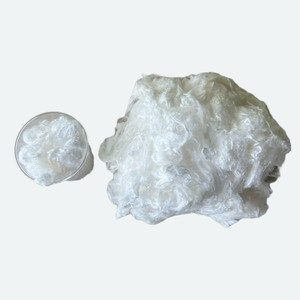
Falegaosimea Polypropylene Pp Fiber Sima Synthetic Polypropylene Fiber RDP HPMC PCE PVA Pa'u Pa'u Fa'aopoopo Fa'aopoopo mo Sima.
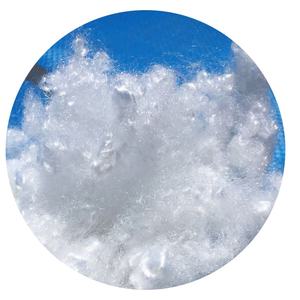
Dawnview Polypropylene Staple Fiber Hydrophilic pp fiber Fa'aopoopo sima
FiberGLASS Composite FRP Rebar For Construction On Glass Fiber Reinforced Rod Fiberglass Products
Maualuluga Sili Basalt Fiber Fiber Tatalaina mo Sima Sima Pave
Factory direct chopped glass fiber for concrete