


Lightweight Nja Additives | Awọn aṣoju Fọmu Iṣe-giga fun Nja Cellular


Ọja parameters
Apejuwe
Overview of Polypropylene Monofilament Concrete Fiber
Fun ga-ipa resistance, ti a nse Irin Awọn okun, rirọpo pipe fun apapo okun waya welded ni awọn ilẹ ipakà ile-iṣẹ ati awọn eroja ti a ti sọ tẹlẹ. A tun pese awọn Fibers Sintetiki Igbekale pataki ti o funni ni agbara fifẹ giga fun awọn ohun elo ibeere. Awọn wọnyi ni awọn okun ti wa ni iṣọkan tuka jakejado nja illa, ṣiṣẹda nẹtiwọọki imuduro onisẹpo pupọ ti awọn ọna ibile ko le ṣaṣeyọri. Yi ese ona simplifies ikole, accelerates placement, ati ki o mu awọn ìwò iyege ati longevity ti awọn nja, pese idahun ode oni si jija ti ọjọ-ori ati awọn italaya agbara.
Features of Polypropylene Monofilament Concrete Fiber
1. Iṣakoso Crack ti o ga julọ ati Imudara Imudara:
Ẹya akọkọ ti awọn okun wa ni agbara wọn lati ṣe afara mejeeji awọn dojuijako micro-cracks ti o dagba lakoko ipo ṣiṣu ati awọn dojuijako nla ni kọnkiti lile.. Pipin onisẹpo onisẹpo mẹta yii ṣẹda matrix isokan diẹ sii ti o tako itankale kiraki. Anfaani taara jẹ idinku pataki ninu jija ṣiṣu isunki mejeeji ati iwọn kiraki igba pipẹ. Eleyi nyorisi kan Elo diẹ ti o tọ nja pẹlu kekere permeability, eyi ti o ni Tan mu resistance si omi ingress, di-thaw bibajẹ, ati ipata ti eyikeyi ifibọ irin. Abajade jẹ eto pẹlu igbesi aye iṣẹ to gun ati awọn idiyele itọju dinku.
2. Ikolu ti o pọ si ati Resistance Abrasion:
Awọn okun, paapa irin ati ki o logan sintetiki Makiro awọn okun, bosipo mu awọn nja ká toughness ati ranse si-crack iṣẹ. Wọn fa ati pinpin agbara lori ipa tabi ikojọpọ. Ẹya ara ẹrọ yii n pese anfani ti aaye ti o ni atunṣe diẹ sii ti o kere si itọpa, chipping, ati abrasion labẹ eru ijabọ tabi darí yiya. Eyi jẹ anfani pataki fun awọn ilẹ ipakà ile-iṣẹ, ile ise pavements, ati amayederun ise agbese, ti o yori si aaye ti o ni wiwọ lile ti o ṣetọju iduroṣinṣin rẹ ni akoko pupọ.
3. Ṣiṣe Ikole ati Awọn ifowopamọ iye owo:
Ẹya bọtini kan ti lilo imuduro okun ni imukuro ti apapo waya welded (WWF) ni ọpọlọpọ awọn ohun elo. Eyi pese awọn anfani nla lori aaye: o simplifies placement, bi ko si apapo lati wa ni ṣeto soke tabi oyi nipo, ati awọn ti o accelerates gbogbo ikole ilana. Nipa yiyọ igbese-lekoko kan laala, ise agbese wo dinku laala owo ati yiyara ise agbese timelines. Pipin iṣọkan ti awọn okun tun ṣe idaniloju imuduro ibamu jakejado gbogbo apakan nja, ko apapo, eyi ti o le wa ni aibojumu gbe, yori si siwaju sii gbẹkẹle ati ki o asọtẹlẹ išẹ.

Specification of Polypropylene Monofilament Concrete Fiber
Polypropylene Monofilament Concrete Fiber– Ọja Spec
Ohun elo ati igbekale
Eleyi okun ti wa ni se lati 100% polypropylene. It has a single-strand (monofilamenti) structure with a smooth surface. The raw product satisfies worldwide high quality requirements for building and construction ingredients.
Key Physical Properties
The fiber’s diameter ranges from 18 si 45 microns. Awọn oniwe-fifẹ toughness surpasses 450 MPa. The flexible modulus is over 3.5 Ite ojuami apapọ. The melting point sits around 165 ° C. These fibers stand up to antacids, awọn acids, and other chemicals found in concrete atmospheres. They do not rust or break down in time.
Length Alternatives
Standard sizes include 6 mm, 12 mm, 19 mm, ati 38 mm. Custom lengths are available upon request. Much shorter fibers match thin-section applications like overlays. Longer fibers work better in structural concrete mixes.
Product packaging and Dosage
Awọn okun wa ninu 0.6 kg tabi 1.0 kg omi-tiotuka baagi. Mass packaging is additionally used for huge projects. Regular dosage prices vary from 0.6 si 1.0 kg fun mita onigun ti nja. Specific quantities rely on the mix style and performance objectives.
Awọn irọrun iṣẹ ṣiṣe
Adding these fibers reduces plastic shrinking fractures during early healing. They enhance effect resistance and strength. Awọn okun pin ni dọgbadọgba ninu apopọ laisi balling. This leads to consistent performance across the whole batch. Workability remains secure when correct mixing procedures are adhered to.
Awọn ohun elo
Utilize these fibers in slabs-on-grade, awọn ọna opopona, shotcrete, precast irinše, ati awọn ilẹ ipakà ti iṣowo. They appropriate for property, iṣowo, ati awọn iṣẹ-ṣiṣe ohun elo. Always adhere to local building codes and blend guidelines.
Mimu ati Ibi ipamọ
Shop fibers in a dry, trendy area far from straight sunlight. Maintain packages sealed up until usage. Prevent direct exposure to wetness to preserve flowability during batching. No unique safety gear is needed beyond standard construction PPE.
Applications of Polypropylene Monofilament Concrete Fiber
Applications of Polypropylene Monofilament Concrete Fiber
Why Make Use Of Polypropylene Monofilament Fibers?
Polypropylene monofilament concrete fibers are slim, solid strands contributed to concrete blends. They help manage cracking and enhance toughness. These fibers mix conveniently right into wet concrete and spread equally throughout the set.
Iṣakoso Bireki ni Slabs ati Pavements
One significant use is in flooring pieces, awọn ọna opopona, ati ise pavements. As concrete dries, it diminishes. This shrinkage usually causes small cracks. The fibers hold the concrete together throughout this process. They lower the number and dimension of cracks that form at an early stage.
Shotcrete and Passage Linings
These fibers work well in shotcrete applications. Shotcrete is sprayed onto surfaces like tunnel wall surfaces or slopes. Adding polypropylene monofilament fibers increases communication. It additionally reduces rebound– the product that bounces off during spraying. This makes the lining stronger and more uniform.
Pre-Cast Concrete Products
Producers make use of these fibers in pre-cast items such as pipes, ohun amorindun, ati paneli. The fibers enhance effect resistance. They additionally aid the item take care of dealing with and transport without damaging. This causes less broken devices and reduced waste.
Ibugbe ati Light Commercial Job
For pathways, ita gbangba patios, ati gareji pakà, polypropylene monofilament fibers offer basic, economical support. They replace or decrease the requirement for cable mesh. Setup ends up being faster because there’s no mesh to placement or assistance.
Water and Wastewater Frameworks
In containers, awọn apoti, and channels, long-lasting rigidity issues. Cracks can cause leaks. The fibers restrict crack widths, which assists keep water in and contaminants out. This enhances the framework’s service life with minimal additional expense.
Anfaani ẹtan: These fibers do not corrode. Ko dabi irin, they will not corrosion when revealed to dampness or chemicals. This makes them suitable for damp or harsh environments.
Rọrun lati Lo: Ko si ohun elo pataki ti a beere. Simply add the fibers during blending. They blend in rapidly and don’t slow down the work.
Ifihan ile ibi ise
A jẹ oludari agbaye ni nja iwuwo fẹẹrẹ ati awọn solusan foomu ti ilọsiwaju. Ti a mọ ni agbaye fun ifaramo rẹ si iwadii, imotuntun, ati ki o loo ĭrìrĭ, a ti n pese awọn solusan foomu ti a ṣe atunṣe lati ibẹrẹ 2012's.
A le pese admixture nja to gaju ati awọn ọja ti o ni ibatan foomu ni gbogbo agbaye.
Ile-iṣẹ naa ni ẹka imọ-ẹrọ ọjọgbọn ati ẹka abojuto didara, yàrá ti o ni ipese daradara, ati ipese pẹlu to ti ni ilọsiwaju igbeyewo ẹrọ ati lẹhin-tita onibara iṣẹ aarin.
Ti o ba nife, jọwọ lero free ati ki o kan si wa.
Isanwo
T/T, Western Union, Paypal, Kaadi Kirẹditi ati bẹbẹ lọ.
Gbigbe
Nipa afẹfẹ, nipa okun, nipa kiakia, bi awọn onibara beere.
5 FAQs of Polypropylene Monofilament Concrete Fiber
Frequently Asked Questions About Polypropylene Monofilament Concrete Fiber
What is polypropylene monofilament concrete fiber?
It is a single-strand synthetic fiber made from polypropylene. Builders mix it into concrete or mortar to help control cracking and improve toughness. The fiber is thin, lagbara, ati boṣeyẹ pin jakejado awọn Mix.
Kí nìdí fi yi okun to nja?
Nja le kiraki bi o ti gbẹ tabi labẹ wahala. These fibers hold the material together when tiny cracks start to form. They do not replace steel reinforcement but work alongside it to reduce surface cracks and boost impact resistance.
How much fiber should be used?
Awọn aṣoju doseji awọn sakani lati 0.6 si 1.0 kg fun mita onigun ti nja. Nigbagbogbo tẹle awọn ilana olupese. Diẹ diẹ le ma ṣe iranlọwọ pupọ. Too much can make mixing difficult or affect workability.
Ṣe o le dapọ pẹlu awọn afikun miiran?
Bẹẹni. This fiber works well with common concrete admixtures like water reducers, air-entraining òjíṣẹ, or superplasticizers. Just add it during the normal mixing process. Make sure all materials are compatible by checking product data sheets first.
Does it affect how concrete looks or finishes?
Rara. The fibers are very fine and disperse evenly. Wọn ko han lori dada lẹhin ipari. O le tun ontẹ, trowel, or polish the concrete as usual. The final appearance stays clean and smooth.
BERE ORO
Awọn ọja ti o jọmọ

Nja Fikun Wood Cellulose Nja Okun lati Mu Crack Resistance

Polypropylene PP okun fun nja

Akiriliki egboogi-ibajẹ ti o ni agbara to gaju ati okun ti nja ina-iṣoro iwọn otutu giga
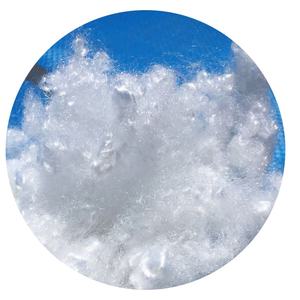
Ge Akiriliki Okun Nja Polyacrylonitrile Okun Fun Simenti Board
Giga Fifẹ Fikun Nja Irin Ikole Ejò Micro Irin Okun Ti a bo Hooked Ipari Irin Fiber Irin Okun Okun
