Additifs légers pour béton | Agents moussants haute performance pour béton cellulaire

PARAMÈTRES DU PRODUIT
Description
Introduction to Cellulose Ether Hydroxyethyl Methyl Cellulose Hydroxypropyl Methyl Cellulose HPMC for Tile Adhesive Wall Putty
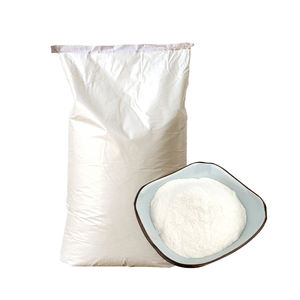
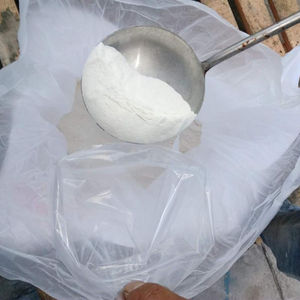
Hydroxypropylméthylcellulose (HPMC), dont le nom chinois est hydroxypropylméthylcellulose, est un semi-synthétique, éther de cellulose non ionique obtenu par modification chimique de la cellulose naturelle. Cette poudre blanche peut former une solution visqueuse transparente après dissolution dans l'eau. Il a un excellent épaississement, rétention d'eau, stabilité et propriétés filmogènes. C'est un additif multifonctionnel indispensable dans de nombreux domaines comme le bâtiment.
Characteristics and advantages of Cellulose Ether Hydroxyethyl Methyl Cellulose Hydroxypropyl Methyl Cellulose HPMC for Tile Adhesive Wall Putty
Excellente solubilité dans l'eau: Il peut être rapidement dissous dans l'eau froide pour former une solution claire et stable.
Capacité efficace d’épaississement et de rétention d’eau: Augmente la viscosité du matériau, réduire efficacement l'évaporation de l'eau, et améliorer l'efficacité du travail.
Bonne stabilité: Il a une bonne stabilité aux acides, alcalis, et des sels, et convient à une large gamme de valeurs de pH.
Effets filmogènes et protecteurs: Après séchage, il forme un film résistant et transparent pour protéger le substrat et empêcher la pénétration de l'eau et l'évaporation.
Non toxique et non irritant: Il présente une bonne biocompatibilité et convient aux domaines médical et alimentaire..
Ajustabilité: En modifiant le degré de substitution et le poids moléculaire, ses performances peuvent être ajustées pour répondre aux différentes exigences des applications.

Specifications of Cellulose Ether Hydroxyethyl Methyl Cellulose Hydroxypropyl Methyl Cellulose HPMC for Tile Adhesive Wall Putty
Requirements of Cellulose Ether for Tile Adhesive and Wall Surface Putty
Examen du produit
This cellulose ether is a high-purity, water-soluble polymer made use of in floor tile adhesives and wall putties. It includes hydroxyethyl methyl cellulose (HEMC) and hydroxypropyl methyl cellulose (HPMC). Both kinds boost workability, rétention d'eau, and bond in building and construction materials.
Trick Characteristics
Rétention d'eau: The product holds water efficiently. This assists cement moisten completely, which enhances the last bond. Good water retention also stops ceramic tiles from sliding after positioning.
Maniabilité: It makes the mix smooth and simple to spread out. Employees can apply the glue or putty with less initiative. The product stays regular without swellings or completely dry places.
Bond Toughness: It increases bonding between the substratum and the ceramic tile or putty layer. This minimizes the danger of fractures or delamination in time.
Temps d'ouverture: The item expands the time employees need to readjust floor tiles before the adhesive sets. This is particularly beneficial in big or complicated setups.
Performance anti-affaissement: It quits thick layers from moving down vertical surfaces. Wall putty remains in area throughout drying out, offering a clean, also end up.
Spécifications techniques
– Regarder: Poudre fluide blanche à beige
– Teneur en méthoxy: 19– 24%.
– Hydroxypropyl material: 4– 12% (for HPMC); Hydroxyethyl content varies for HEMC.
– Épaisseur (2% service, 20 °C): 4,000– 100,000 mPa · s (réglable).
– pH (2% remède): 6.0– 8.5.
– Teneur en humidité: ≤ 5%.
– Contenu Web Ash: ≤ 5%.
– Température du gel: 58– 90 °C (flexible based on quality).
The item fulfills global high quality standards and appropriates for both exterior and interior applications. It continues to be steady under normal storage problems and blends quickly with other completely dry active ingredients.

Applications of Cellulose Ether Hydroxyethyl Methyl Cellulose Hydroxypropyl Methyl Cellulose HPMC for Tile Adhesive Wall Putty
Why Cellulose Ethers Are Crucial in Floor Tile Adhesive and Wall Putty
Better Workability and Smooth Application
Cellulose ethers like Hydroxyethyl Methyl Cellulose (HEMC) and Hydroxypropyl Methyl Cellulose (HPMC) make ceramic tile adhesives and wall surface putties easier to mix and use. They provide the blend a smooth, texture crémeuse. Employees can spread it evenly without extra effort. This helps reduce waste and speeds up the work.
More Powerful Bond and Longer Open Time
These additives boost how well the glue adhere to tiles and wall surfaces. They additionally keep the mix practical for a longer time after blending– this is called “open time.” A longer open time implies installers can adjust ceramic tile settings without rushing. The bond stays strong even under tension or altering temperatures.
Water Retention for Trusted Treating
HPMC and HEMC hold water inside the mix. This is necessary due to the fact that concrete requires water to heal effectively. Sans rétention d’eau suffisante, the surface area dries out too fast. That causes weak spots, fractures, or inadequate attachment. With cellulose ethers, treating occurs equally and fully, offering a sturdy surface.
Protects Against Sagging on Vertical Surface Areas
When using wall surface putty or tile adhesive on upright surfaces, drooping is an usual trouble. Cellulose ethers add simply enough thickness to keep the material in place. It won’t glide down prior to it establishes. This makes sure a tidy, even coat every single time.
Consistent Efficiency Throughout Issues
Qu'il fasse chaud, complètement sec, or damp, products with HPMC or HEMC execute dependably. They assist keep consistent viscosity and adhesion in different weather and on various substrates. Specialists obtain foreseeable results despite where or when they function.
These advantages make cellulose ethers a smart selection for modern-day building and construction products that demand quality, convenience of usage, et des performances durables.
Profil de l'entreprise
Nous sommes le leader mondial des solutions avancées de béton léger et de mousse technique.. Connu mondialement pour son engagement en faveur de la recherche, innovation, et expertise appliquée, nous fournissons des solutions de mousse technique depuis le début des années 2012.
Nous pouvons fournir des adjuvants pour béton et des produits liés au béton mousse de haute qualité dans le monde entier..
L'entreprise dispose d'un département technique professionnel et d'un département de supervision de la qualité, un laboratoire bien équipé, et équipé d'un équipement de test avancé et d'un centre de service client après-vente.
Si vous êtes intéressé, n'hésitez pas et contactez-nous.
Paiement
T/T, Western union, Paypal, Carte de crédit, etc..
Expédition
Par avion, par la mer, par express, comme le demandent les clients.

5 FAQs of Cellulose Ether Hydroxyethyl Methyl Cellulose Hydroxypropyl Methyl Cellulose HPMC for Tile Adhesive Wall Putty
Frequently Asked Questions About HPMC in Tile Adhesive and Wall Putty
What is HPMC and why is it used?
HPMC signifie Hydroxypropylméthylcellulose. It is a type of cellulose ether made from natural fibers. Builders add it to tile adhesive and wall putty because it helps the mix hold water better. This gives workers more time to spread and adjust tiles or putty before it dries.
Does HPMC improve workability?
Oui. HPMC makes the mixture smoother and easier to handle. It reduces stickiness and helps the material slide evenly over surfaces. This means less effort during application and a cleaner finish.
Will HPMC affect drying time?
It slows down drying just enough to allow proper setting. Sans HPMC, water leaves too fast. That can cause cracks or weak bonds. Avec HPMC, water stays longer so cement or gypsum can fully react and harden well.
Le HPMC est-il sans danger pour une utilisation en intérieur?
Oui. HPMC is non-toxic and does not release harmful fumes. It is widely used in construction products meant for homes, bureaux, et autres espaces intérieurs. It also resists mold and bacteria under normal conditions.
How much HPMC should be added?
The right amount depends on the product formula and local climate. Généralement, 0.2% à 0.5% by weight of the total dry mix is enough. Trop peu peut ne pas donner tous les avantages. Too much can make the mix too thick or delay drying too long. Suivez toujours les instructions du fabricant pour de meilleurs résultats.
DEMANDER UN DEVIS
PRODUITS CONNEXES

Additif d'imperméabilisation HPMC d'hydroxypropylméthylcellulose améliorant l'intégrité du béton et des carreaux
Adjuvants pour béton et adjuvants pour mortier, Personnalisé, HPMC, Poudre épaississante blanche, Appliqué au mortier de ciment
2024 Building Materials Water Resistant Putty Use HPMC Customized Viscosity Available
Hydroxypropyl Methyl Cellulose HPMC Chemical Manufacturing Best for White Cement Based Skim Coat on
HPMC High purity HPMC Hydroxypropyl Methyl Cellulose HPMC for gypsum mortar