Magaan na Concrete Additives | Mga Ahente ng Bubula na Mahusay ang Pagganap para sa Cellular Concrete

MGA PARAMETER NG PRODUKTO
Paglalarawan
Introduction to Cellulose Ether Hydroxyethyl Methyl Cellulose Hydroxypropyl Methyl Cellulose HPMC for Tile Adhesive Wall Putty
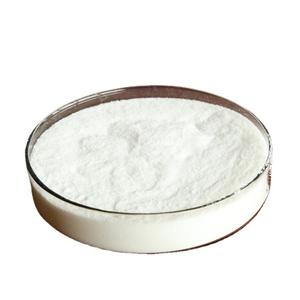
Hydroxypropyl Methylcellulose (HPMC), na ang Chinese na pangalan ay hydroxypropyl methylcellulose, ay isang semi-synthetic, non-ionic cellulose eter na nakuha sa pamamagitan ng chemically modifying natural cellulose. Ang puting pulbos na ito ay maaaring bumuo ng isang transparent na malapot na solusyon pagkatapos matunaw sa tubig. Ito ay may mahusay na pampalapot, pagpapanatili ng tubig, katatagan at mga katangian ng pagbuo ng pelikula. Ito ay isang kailangang-kailangan na multifunctional additive sa maraming larangan tulad ng konstruksiyon.
Characteristics and advantages of Cellulose Ether Hydroxyethyl Methyl Cellulose Hydroxypropyl Methyl Cellulose HPMC for Tile Adhesive Wall Putty
Napakahusay na solubility sa tubig: Maaari itong mabilis na matunaw sa malamig na tubig upang bumuo ng isang malinaw at matatag na solusyon.
Mahusay na pampalapot at kakayahan sa pagpapanatili ng tubig: Dagdagan ang lagkit ng materyal, epektibong bawasan ang pagsingaw ng tubig, at pagbutihin ang kahusayan sa trabaho.
Magandang katatagan: Ito ay may mahusay na katatagan sa mga acid, alkalis, at mga asin, at angkop para sa malawak na hanay ng mga halaga ng pH.
Mga epekto sa pagbuo ng pelikula at proteksyon: Pagkatapos matuyo, ito ay bumubuo ng isang matigas at transparent na pelikula upang protektahan ang substrate at maiwasan ang pagtagos ng tubig at pagsingaw.
Non-toxic at hindi nakakairita: Ito ay may mahusay na biocompatibility at angkop para sa mga larangan ng medisina at pagkain.
Pagsasaayos: Sa pamamagitan ng pagbabago ng antas ng pagpapalit at molekular na timbang, ang pagganap nito ay maaaring iakma upang matugunan ang iba't ibang mga kinakailangan sa aplikasyon.

Specifications of Cellulose Ether Hydroxyethyl Methyl Cellulose Hydroxypropyl Methyl Cellulose HPMC for Tile Adhesive Wall Putty
Requirements of Cellulose Ether for Tile Adhesive and Wall Surface Putty
Pagsusuri ng Produkto
This cellulose ether is a high-purity, water-soluble polymer made use of in floor tile adhesives and wall putties. It includes hydroxyethyl methyl cellulose (HEMC) and hydroxypropyl methyl cellulose (HPMC). Both kinds boost workability, pagpapanatili ng tubig, and bond in building and construction materials.
Trick Characteristics
Pagpapanatili ng Tubig: The product holds water efficiently. This assists cement moisten completely, which enhances the last bond. Good water retention also stops ceramic tiles from sliding after positioning.
Workability: It makes the mix smooth and simple to spread out. Employees can apply the glue or putty with less initiative. The product stays regular without swellings or completely dry places.
Bond Toughness: It increases bonding between the substratum and the ceramic tile or putty layer. This minimizes the danger of fractures or delamination in time.
Open Time: The item expands the time employees need to readjust floor tiles before the adhesive sets. This is particularly beneficial in big or complicated setups.
Anti-Sag Performance: It quits thick layers from moving down vertical surfaces. Wall putty remains in area throughout drying out, offering a clean, also end up.
Teknikal na Pagtutukoy
– Tingnan mo: Puti hanggang beige na free-flowing powder
– Nilalaman ng methoxy: 19– 24%.
– Hydroxypropyl material: 4– 12% (for HPMC); Hydroxyethyl content varies for HEMC.
– kapal (2% serbisyo, 20 ° C): 4,000– 100,000 mPa · s (adjustable).
– pH (2% lunas): 6.0– 8.5.
– Moisture content: ≤ 5%.
– Abo na nilalaman ng web: ≤ 5%.
– Gel temperature: 58– 90 ° C (flexible based on quality).
The item fulfills global high quality standards and appropriates for both exterior and interior applications. It continues to be steady under normal storage problems and blends quickly with other completely dry active ingredients.

Applications of Cellulose Ether Hydroxyethyl Methyl Cellulose Hydroxypropyl Methyl Cellulose HPMC for Tile Adhesive Wall Putty
Why Cellulose Ethers Are Crucial in Floor Tile Adhesive and Wall Putty
Better Workability and Smooth Application
Cellulose ethers like Hydroxyethyl Methyl Cellulose (HEMC) and Hydroxypropyl Methyl Cellulose (HPMC) make ceramic tile adhesives and wall surface putties easier to mix and use. They provide the blend a smooth, creamy texture. Employees can spread it evenly without extra effort. This helps reduce waste and speeds up the work.
More Powerful Bond and Longer Open Time
These additives boost how well the glue adhere to tiles and wall surfaces. They additionally keep the mix practical for a longer time after blending– this is called “bukas na oras.” A longer open time implies installers can adjust ceramic tile settings without rushing. The bond stays strong even under tension or altering temperatures.
Water Retention for Trusted Treating
HPMC and HEMC hold water inside the mix. This is necessary due to the fact that concrete requires water to heal effectively. Without sufficient water retention, the surface area dries out too fast. That causes weak spots, fractures, or inadequate attachment. With cellulose ethers, treating occurs equally and fully, offering a sturdy surface.
Protects Against Sagging on Vertical Surface Areas
When using wall surface putty or tile adhesive on upright surfaces, drooping is an usual trouble. Cellulose ethers add simply enough thickness to keep the material in place. It won’t glide down prior to it establishes. This makes sure a tidy, even coat every single time.
Consistent Efficiency Throughout Issues
Whether it’s warm, completely dry, or damp, products with HPMC or HEMC execute dependably. They assist keep consistent viscosity and adhesion in different weather and on various substrates. Specialists obtain foreseeable results despite where or when they function.
These advantages make cellulose ethers a smart selection for modern-day building and construction products that demand quality, convenience of usage, at pangmatagalang pagganap.
Profile ng Kumpanya
Kami ang pandaigdigang nangunguna sa magaan na kongkreto at advanced engineered foam solution. Kilala sa buong mundo para sa kanyang pangako sa pananaliksik, pagbabago, at inilapat na kadalubhasaan, nagbibigay kami ng mga engineered foam solution mula noong unang bahagi ng 2012.
Makakapagbigay kami ng de-kalidad na kongkretong admixture at mga produktong nauugnay sa foam concrete sa buong mundo.
Ang kumpanya ay may isang propesyonal na departamentong teknikal at departamento ng pangangasiwa ng kalidad, isang mahusay na kagamitang laboratoryo, at nilagyan ng advanced na kagamitan sa pagsubok at after-sales customer service center.
Kung interesado ka, mangyaring huwag mag-atubiling at makipag-ugnayan sa amin.
Pagbabayad
T/T, Western Union, Paypal, Credit Card atbp.
Pagpapadala
Sa pamamagitan ng hangin, sa pamamagitan ng dagat, sa pamamagitan ng express, bilang kahilingan ng mga customer.

5 FAQs of Cellulose Ether Hydroxyethyl Methyl Cellulose Hydroxypropyl Methyl Cellulose HPMC for Tile Adhesive Wall Putty
Frequently Asked Questions About HPMC in Tile Adhesive and Wall Putty
What is HPMC and why is it used?
Ang HPMC ay kumakatawan sa Hydroxypropyl Methyl Cellulose. It is a type of cellulose ether made from natural fibers. Builders add it to tile adhesive and wall putty because it helps the mix hold water better. This gives workers more time to spread and adjust tiles or putty before it dries.
Does HPMC improve workability?
Oo. HPMC makes the mixture smoother and easier to handle. It reduces stickiness and helps the material slide evenly over surfaces. This means less effort during application and a cleaner finish.
Will HPMC affect drying time?
It slows down drying just enough to allow proper setting. Nang walang HPMC, water leaves too fast. That can cause cracks or weak bonds. Sa HPMC, water stays longer so cement or gypsum can fully react and harden well.
Is HPMC safe for indoor use?
Oo. HPMC is non-toxic and does not release harmful fumes. It is widely used in construction products meant for homes, mga opisina, and other indoor spaces. It also resists mold and bacteria under normal conditions.
How much HPMC should be added?
The right amount depends on the product formula and local climate. Karaniwan, 0.2% sa 0.5% by weight of the total dry mix is enough. Too little may not give full benefits. Too much can make the mix too thick or delay drying too long. Palaging sundin ang mga tagubilin ng tagagawa para sa pinakamahusay na mga resulta.
HUMILING NG QUOTE
MGA KAUGNAY NA PRODUKTO

Pure Cellulose Ether Hydroxypropyl Methyl Cellulose HPMC for Cement Gypsum Based Plasters C1 C2 Tile Adhesives ETICS EIFS

Hydroxypropyl Methyl Cellulose HPMC Chemicals Pharmaceutical
lagkit ng hpmc 35000-45000 init paghihiwalay para sa pandekorasyon masilya hpmc
Hydroxypropyl Methyl Cellulose HPMC Ethers para sa Gypsum Plaster High Water Retention Matagal na Oras ng Trabaho
Good Hydroxypropyl Methyl Cellulose HPMC Equivalent to Bermocoll Tylose Walocel Culminal