Ngaahi me'a tanaki sima ma'ama'a | Ngaahi fakafofonga Foaming ma'olunga-ngaue ki he sima 'o e selo

NGAAHI PALAMETA 'O E KOLOA
Fakamatala
Introduction to Cellulose Ether Hydroxyethyl Methyl Cellulose Hydroxypropyl Methyl Cellulose HPMC for Tile Adhesive Wall Putty
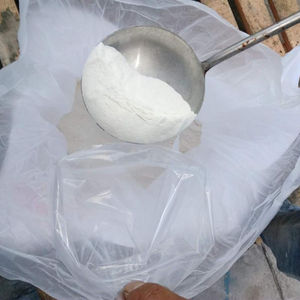
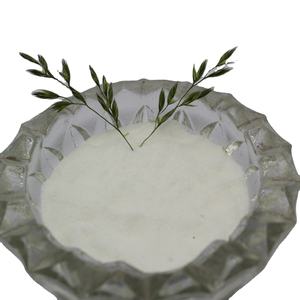
Haitolokisipolopili Metiliselulosi (HPMC), ko hono hingoa faka-Siaina ko haitolokisipolopili metiliselulosi ., ko ha semi-fakatupu, 'ikai-ionic selulosi ether 'oku ma'u 'aki hono fakalelei'i fakakemikale 'a e selulosi fakanatula .. 'E lava ke fa'u 'e he efuefu hinehina ko 'eni ha viscous 'ata'ata hili hono fakamovetevete 'i he vai .. 'Oku 'i ai 'ene matolu lelei 'aupito ., pukepuke 'o e vai, tu'unga ma'u mo e ngaahi koloa 'o e filimi-fa'u .. Ko ha me'a fakalahi multifunctional 'oku 'ikai lava ke to'o 'i he ngaahi mala'e lahi hange ko e langa ..
Characteristics and advantages of Cellulose Ether Hydroxyethyl Methyl Cellulose Hydroxypropyl Methyl Cellulose HPMC for Tile Adhesive Wall Putty
Solubility lelei 'aupito 'i he vai .: 'E lava ke vave hono fakamovetevete 'i he vai momoko ke fa'u ha fakalelei'anga mahino mo tu'uma'u ..
Thickening lelei mo e malava ke pukepuke 'a e vai .: Fakalahi 'a e viscosity 'o e naunau ., fakasi'isi'i lelei 'a e evaporation 'o e vai, pea fakalelei'i 'a e ola lelei 'o e ngaue ..
Tu'uma'u lelei .: 'Oku 'i ai 'ene tu'unga ma'u lelei ki he ngaahi 'esiti ., ʻākali, mo e ngaahi māsima ., pea 'oku fe'unga mo ha ngaahi mahu'inga kehekehe 'o e pH ..
Filimi-fa'u mo e ngaahi ola malu'i .: Hili hono fakamāfanaʻí ., 'oku ne fa'u ha filimi fefeka mo mahino ke malu'i 'a e substrate mo ta'ofi 'a e hū 'a e vai mo e evaporation ..
'Ikai kona mo 'ikai fakatupu 'ita .: 'Oku 'i ai 'ene biocompatibility lelei pea 'oku fe'unga mo e ngaahi mala'e 'o e faito'o mo e me'akai ..
Fakatonutonu: 'I hono liliu 'o e tu'unga 'o e fetongi mo e mamafa 'o e molekula ., 'e lava ke fakatonutonu 'ene fakahoko ke feau 'a e ngaahi fie ma'u kehekehe 'o e tohi kole ..

Specifications of Cellulose Ether Hydroxyethyl Methyl Cellulose Hydroxypropyl Methyl Cellulose HPMC for Tile Adhesive Wall Putty
Requirements of Cellulose Ether for Tile Adhesive and Wall Surface Putty
Toe vakaiʻi ʻo e Koloá
This cellulose ether is a high-purity, water-soluble polymer made use of in floor tile adhesives and wall putties. It includes hydroxyethyl methyl cellulose (HEMC) and hydroxypropyl methyl cellulose (HPMC). Both kinds boost workability, pukepuke 'o e vai, and bond in building and construction materials.
Ngaahi 'ulungaanga 'o e Trick
Ta'ofi 'o e Vai: The product holds water efficiently. This assists cement moisten completely, which enhances the last bond. Good water retention also stops ceramic tiles from sliding after positioning.
Malava ke ngaue: It makes the mix smooth and simple to spread out. Employees can apply the glue or putty with less initiative. The product stays regular without swellings or completely dry places.
Bond Toughness: It increases bonding between the substratum and the ceramic tile or putty layer. This minimizes the danger of fractures or delamination in time.
Taimi Fakaava: The item expands the time employees need to readjust floor tiles before the adhesive sets. This is particularly beneficial in big or complicated setups.
Fakahoko 'o e Anti-Sag: It quits thick layers from moving down vertical surfaces. Wall putty remains in area throughout drying out, offering a clean, also end up.
Ngaahi fakaikiiki fakatekinikale
– Sio: Hinehina ki he beige tau'ataina-tafe efuefu
– Methoxy 'a e kakano: 19– 24%.
– Naunau haitolokisipolopili: 4– 12% (for HPMC); Hydroxyethyl content varies for HEMC.
– Matolu (2% ngaue tokoni, 20 ° C): 4,000– 100,000 mPa · s (lava ke fakatonutonu).
– pH (2% fakatonutonu): 6.0– 8.5.
– Ko e kakano 'o e moisture: ≤ 5%.
– Kakano 'o e uepi 'o e efu: ≤ 5%.
– Mafana 'o e Gel: 58– 90 ° C (flexible based on quality).
The item fulfills global high quality standards and appropriates for both exterior and interior applications. It continues to be steady under normal storage problems and blends quickly with other completely dry active ingredients.

Applications of Cellulose Ether Hydroxyethyl Methyl Cellulose Hydroxypropyl Methyl Cellulose HPMC for Tile Adhesive Wall Putty
Why Cellulose Ethers Are Crucial in Floor Tile Adhesive and Wall Putty
Ngaue lelei ange mo e tohi kole 'oku malimali
Cellulose ethers like Hydroxyethyl Methyl Cellulose (HEMC) and Hydroxypropyl Methyl Cellulose (HPMC) make ceramic tile adhesives and wall surface putties easier to mix and use. They provide the blend a smooth, texture kilimi. Employees can spread it evenly without extra effort. This helps reduce waste and speeds up the work.
More Powerful Bond and Longer Open Time
These additives boost how well the glue adhere to tiles and wall surfaces. They additionally keep the mix practical for a longer time after blending– this is called “taimi fakaava.” A longer open time implies installers can adjust ceramic tile settings without rushing. The bond stays strong even under tension or altering temperatures.
Water Retention for Trusted Treating
HPMC and HEMC hold water inside the mix. This is necessary due to the fact that concrete requires water to heal effectively. Ka ʻikai ha pukepuke feʻunga ʻo e vaí ., the surface area dries out too fast. That causes weak spots, ngaahi motuʻa, or inadequate attachment. With cellulose ethers, treating occurs equally and fully, offering a sturdy surface.
Protects Against Sagging on Vertical Surface Areas
When using wall surface putty or tile adhesive on upright surfaces, drooping is an usual trouble. Cellulose ethers add simply enough thickness to keep the material in place. It won’t glide down prior to it establishes. This makes sure a tidy, even coat every single time.
Consistent Efficiency Throughout Issues
Pe ‘oku māfana ., mōmoa kakato, pe 'uha, products with HPMC or HEMC execute dependably. They assist keep consistent viscosity and adhesion in different weather and on various substrates. Specialists obtain foreseeable results despite where or when they function.
These advantages make cellulose ethers a smart selection for modern-day building and construction products that demand quality, faingofua hono ngaue'aki, mo e fakahoko tu'uloa ..
Fakamatala ʻo e Kautaha
Ko kimautolu 'a e taki fakamamani lahi 'i he sima ma'ama'a mo e ngaahi fakalelei'anga foam 'enisinia fakalakalaka .. 'Iloa 'i mamani 'i he'ene tukupa ki he fakatotolo ., fakakaukau fo'ou, mo e taukei faka'aonga'i ., kuo mau 'oatu 'a e ngaahi fakalelei'anga foam 'enisinia talu mei he kamata'anga 'o e 2012’s ..
'E lava ke tau 'oatu 'a e admixture sima tu'unga ma'olunga mo e ngaahi koloa fekau'aki mo e foam sima 'i he mamani kotoa ..
'Oku 'i ai ha potungaue fakatekinikale fakapalofesinale 'a e kautaha mo e potungaue tokanga'i 'o e tu'unga lelei ., ko ha fale fakatotolo fakakemi kuo fakanaunau‘i lelei ., pea fakanaunau'i 'aki 'a e ngaahi me'angaue sivi fakalakalaka mo e senitaa tokoni ki he kasitomaa hili hono fakatau atu ..
Kapau 'oku ke fie'ilo ., kataki 'o ongo'i tau'ataina pea fetu'utaki mai.
Totongi
T/T, ʻIunioni Hihifo, Paypal, Kaati fakamo'ua etc ..
Uta
ʻI he ʻeá, ʻi tahi, 'aki 'a e fakahaa'i, hange ko e kole 'a e kau kasitomaa.

5 FAQs of Cellulose Ether Hydroxyethyl Methyl Cellulose Hydroxypropyl Methyl Cellulose HPMC for Tile Adhesive Wall Putty
Frequently Asked Questions About HPMC in Tile Adhesive and Wall Putty
Ko e ha e HPMC pea ko e ha 'oku ngaue'aki ai .?
HPMC 'oku tu'u ia ki he Haitolokisipolopili Metili Selulosi .. Ko ha fa'ahinga ia 'o e selulosi ether 'oku ngaohi mei he ngaahi filo fakanatula .. Builders add it to tile adhesive and wall putty because it helps the mix hold water better. This gives workers more time to spread and adjust tiles or putty before it dries.
'Oku fakalelei'i 'e he HPMC 'a e ngaue .?
ʻIo. HPMC makes the mixture smoother and easier to handle. It reduces stickiness and helps the material slide evenly over surfaces. This means less effort during application and a cleaner finish.
Will HPMC affect drying time?
It slows down drying just enough to allow proper setting. Ta'e 'i ai ha HPMC ., water leaves too fast. That can cause cracks or weak bonds. Mo e HPMC ., water stays longer so cement or gypsum can fully react and harden well.
'Oku malu nai 'a e HPMC ki hono faka'aonga'i 'i loto fale?
ʻIo. HPMC is non-toxic and does not release harmful fumes. It is widely used in construction products meant for homes, ngaahi 'ofisi, mo e ngaahi feitu‘u kehe ‘i loto .. It also resists mold and bacteria under normal conditions.
Ko e hā e lahi ʻo e HPMC ʻoku totonu ke tānaki atu .?
The right amount depends on the product formula and local climate. Faʻa, 0.2% ki 0.5% by weight of the total dry mix is enough. Ko e fu‘u si‘isi‘í ‘e ‘ikai nai ke ne ‘omai ‘a e ngaahi ‘aonga kakato .. Too much can make the mix too thick or delay drying too long. Muimui ma’u pe ki he ngaahi fakahinohino ‘a e kautaha ngaohi ki he ola lelei taha ..
KOLE HA QUOTE
NGAAHI KOLOA 'OKU FETU'UTAKI

Kemikale Catalysts mo e ngaahi me'a tokoni kemikale Hydroxypropyl Methyl Selulosi HPMC CMC .
2024 Building Materials Water Resistant Putty Use HPMC Customized Viscosity Available
Cellulose Hpmc For Adhesive Mortar
High Quality Hydroxypropyl Methyl Cellulose HPMC for Concrete Additives

HPMC cheap with good quality equivalent to Tylose and Walocel sample provided