Leve Concretum Additives | Summus euismod Spumantes Agentia Cellular Concrete

PARAMETERS FRUCTUS
Descriptio
Introduction to Cellulose Ether Hydroxyethyl Methyl Cellulose Hydroxypropyl Methyl Cellulose HPMC for Tile Adhesive Wall Putty
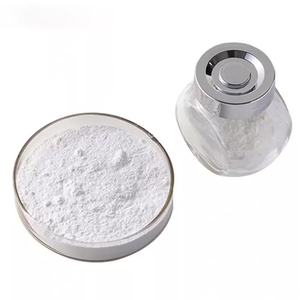
Hydroxypropyl Methylcellulosum (HPMC), cui Chinese nomen hydroxypropyl methylcellulosum, semi-synthetica est, cellulosum non-ionicum nactus chemica modificare cellulosum naturalem. Hoc album pulveris viscosum diaphanum formare potest solutio in aqua resoluta. Habet optimum crasso, aqua retentione, stabilitatem film institutoria proprietatibus. Necessarium est multifunctional ELOGIUM in multis campis, ut constructione.
Characteristics and advantages of Cellulose Ether Hydroxyethyl Methyl Cellulose Hydroxypropyl Methyl Cellulose HPMC for Tile Adhesive Wall Putty
Optima aqua solubility: Aqua frigida cito dissolvi potest solutionem claram et stabilem formare.
Crassitudine efficientis et aquae retentione facultatem: Crescite viscositatem materiae, efficacius reducere aqua evaporatio, ac meliorem opus efficientiam.
Bonum statum: Bonum statum acida habet, alcali, et salibus, et apta est ad pH amplis valoribus.
Amet institutoria et tutela effectus: Post siccitatem, duram et perlucidam format ut subiectam tutelam et aquae penetrationem et evaporationem prohibeat.
Non toxicus et non irritans: Biocompatibilitatem bonam habet et medicinalibus et cibariis aptus est.
Adjustability: Mutando gradum substitutionis et pondus hypotheticum, sua perficientur urna ad occursum diversis application requisita.

Specifications of Cellulose Ether Hydroxyethyl Methyl Cellulose Hydroxypropyl Methyl Cellulose HPMC for Tile Adhesive Wall Putty
Requirements of Cellulose Ether for Tile Adhesive and Wall Surface Putty
Product Review
This cellulose ether is a high-purity, water-soluble polymer made use of in floor tile adhesives and wall putties. It includes hydroxyethyl methyl cellulose (HEMC) and hydroxypropyl methyl cellulose (HPMC). Both kinds boost workability, aqua retentione, and bond in building and construction materials.
Dolum Characteres
Aqua retentionis: The product holds water efficiently. This assists cement moisten completely, which enhances the last bond. Good water retention also stops ceramic tiles from sliding after positioning.
Workability: It makes the mix smooth and simple to spread out. Employees can apply the glue or putty with less initiative. The product stays regular without swellings or completely dry places.
Bond Toughness: It increases bonding between the substratum and the ceramic tile or putty layer. This minimizes the danger of fractures or delamination in time.
Open Tempus: The item expands the time employees need to readjust floor tiles before the adhesive sets. This is particularly beneficial in big or complicated setups.
Anti-Sag euismod: It quits thick layers from moving down vertical surfaces. Wall putty remains in area throughout drying out, offering a clean, et terminus sursum.
Technical Specs
– Vide: Alba ad beige liberum pulveris torrens
– Methoxy content: 19– 24%.
– Hydroxypropyl materia: 4– 12% (for HPMC); Hydroxyethyl content varies for HEMC.
– Crassitudo (2% servitium, 20 ° C): 4,000– 100,000 mPa · s (vocabulary).
– pH* (2% remedium): 6.0– 8.5.
– Humor content: ≤ 5%.
– Cinis telam content: ≤ 5%.
– Gel temperatus: 58– 90 ° C (flexible based on quality).
The item fulfills global high quality standards and appropriates for both exterior and interior applications. It continues to be steady under normal storage problems and blends quickly with other completely dry active ingredients.

Applications of Cellulose Ether Hydroxyethyl Methyl Cellulose Hydroxypropyl Methyl Cellulose HPMC for Tile Adhesive Wall Putty
Why Cellulose Ethers Are Crucial in Floor Tile Adhesive and Wall Putty
Melius Workability et lenis Application
Cellulose ethers like Hydroxyethyl Methyl Cellulose (HEMC) and Hydroxypropyl Methyl Cellulose (HPMC) make ceramic tile adhesives and wall surface putties easier to mix and use. They provide the blend a smooth, cremeo textura. Employees can spread it evenly without extra effort. This helps reduce waste and speeds up the work.
More Powerful Bond and Longer Open Time
These additives boost how well the glue adhere to tiles and wall surfaces. They additionally keep the mix practical for a longer time after blending– hoc appellatur “tempus apertum.” A longer open time implies installers can adjust ceramic tile settings without rushing. The bond stays strong even under tension or altering temperatures.
Water Retention for Trusted Treating
HPMC and HEMC hold water inside the mix. This is necessary due to the fact that concrete requires water to heal effectively. Sine aqua satis retentione, the surface area dries out too fast. That causes weak spots, fractures, or inadequate attachment. With cellulose ethers, treating occurs equally and fully, offering a sturdy surface.
Protects Against Sagging on Vertical Surface Areas
When using wall surface putty or tile adhesive on upright surfaces, drooping is an usual trouble. Cellulose ethers add simply enough thickness to keep the material in place. It won’t glide down prior to it establishes. This makes sure a tidy, even coat every single time.
Consistent Efficiency Throughout Issues
Si calidum est, omnino siccis, aut umore, products with HPMC or HEMC execute dependably. They assist keep consistent viscosity and adhesion in different weather and on various substrates. Specialists obtain foreseeable results despite where or when they function.
These advantages make cellulose ethers a smart selection for modern-day building and construction products that demand quality, commodum usus, and lasting performance.
Turba Profile
Sumus dux globalis in leve concretum et provectus solutiones machinatorum spumae. Notum globally pro officio ad investigationes, innovation, et applicatae peritia, solutiones spumas machinatas paravimus cum mane 2012's.
Summus qualitas concreta admixtionem suppeditare et concretos fructus relatos in toto orbe terrarum spumare.
Societatem habet professionalis technicae artis et qualis vigilantiae department, instructi officinarum, et instructi ad probationes provectus apparatu et post-venditio Lorem ministerium centrum.
Si vos es interested, placet liberum contactus nos.
Payment
T/T, Occidentis Unionis, Paypal, Promeritum Pecto etc.
shipment
per aerem, per mare, per expresso, ut customers peto.

5 FAQs of Cellulose Ether Hydroxyethyl Methyl Cellulose Hydroxypropyl Methyl Cellulose HPMC for Tile Adhesive Wall Putty
Frequently Asked Questions About HPMC in Tile Adhesive and Wall Putty
Quod HPMC et quare est usus??
HPMC stands for Cursuali. Est genus aetheris cellulosi ex fibris naturalibus factum. Builders add it to tile adhesive and wall putty because it helps the mix hold water better. This gives workers more time to spread and adjust tiles or putty before it dries.
Does HPMC improve workability?
Ita. HPMC makes the mixture smoother and easier to handle. It reduces stickiness and helps the material slide evenly over surfaces. This means less effort during application and a cleaner finish.
Will HPMC affect drying time?
It slows down drying just enough to allow proper setting. Sine HPMC, water leaves too fast. That can cause cracks or weak bonds. cum HPMC, water stays longer so cement or gypsum can fully react and harden well.
Estne HPMC tuta amet usu?
Ita. HPMC is non-toxic and does not release harmful fumes. It is widely used in construction products meant for homes, officia, et alia amet spatia. It also resists mold and bacteria under normal conditions.
Quantum HPMC sit additum?
The right amount depends on the product formula and local climate. plerumque, 0.2% to 0.5% totum siccum pondere satis misce. Beneficia plena non parum dare. Too much can make the mix too thick or delay drying too long. Praecepta fabrica optimi eventus semper sequere.
PETO A QUOTE
AGNATUS PRODUCTS

Hydroxypropyl Methyl Cellulose HPMC PH 7.5 to 8.5 PAC ad Shampoo
HPMC 100000 cps Viscositas HPMC Internus et Externus Wall Putty Powder utitur Hydroxy Propyl Methyl Cellulose
factory hydroxyethyl cellulose hec hpmc mhec powder for gypsum powder
HPMC Cellulose Ether Hydroxy Propyl Methyl Cellulose Cement Hpmc Cellulose For Cement Based Tile Mortars

Hydroxypropyl Methyl Cellulose HPMC Powder Carboxymethyl Cellulose pro Food Industry