Aditivos para concreto leve | Agentes espumantes de alto desempenho para concreto celular

PARÂMETROS DO PRODUTO
Descrição
Introduction to Cellulose Ether Hydroxyethyl Methyl Cellulose Hydroxypropyl Methyl Cellulose HPMC for Tile Adhesive Wall Putty
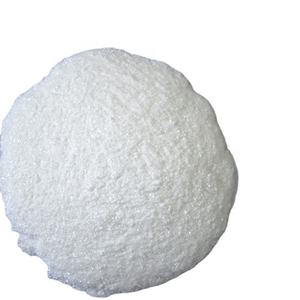
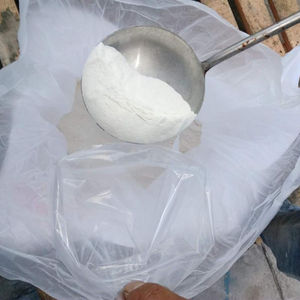
Hidroxipropilmetilcelulose (HPMC), cujo nome chinês é hidroxipropilmetilcelulose, é um semi-sintético, éter de celulose não iônico obtido pela modificação química da celulose natural. Este pó branco pode formar uma solução viscosa transparente após ser dissolvido em água. Possui excelente espessamento, retenção de água, estabilidade e propriedades de formação de filme. É um aditivo multifuncional indispensável em muitas áreas, como construção.
Characteristics and advantages of Cellulose Ether Hydroxyethyl Methyl Cellulose Hydroxypropyl Methyl Cellulose HPMC for Tile Adhesive Wall Putty
Excelente solubilidade em água: Pode ser rapidamente dissolvido em água fria para formar uma solução límpida e estável.
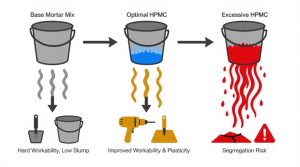
Espessamento eficiente e capacidade de retenção de água: Aumentar a viscosidade do material, efetivamente reduzir a evaporação da água, e melhorar a eficiência do trabalho.
Boa estabilidade: Possui boa estabilidade a ácidos, álcalis, e sais, e é adequado para uma ampla faixa de valores de pH.
Efeitos protetores e formadores de filme: Depois de secar, forma uma película resistente e transparente para proteger o substrato e evitar a penetração e evaporação da água.
Não tóxico e não irritante: Possui boa biocompatibilidade e é adequado para as áreas de medicina e alimentação.
Ajustabilidade: Alterando o grau de substituição e o peso molecular, seu desempenho pode ser ajustado para atender a diferentes requisitos de aplicação.

Specifications of Cellulose Ether Hydroxyethyl Methyl Cellulose Hydroxypropyl Methyl Cellulose HPMC for Tile Adhesive Wall Putty
Requirements of Cellulose Ether for Tile Adhesive and Wall Surface Putty
Revisão do produto
This cellulose ether is a high-purity, water-soluble polymer made use of in floor tile adhesives and wall putties. It includes hydroxyethyl methyl cellulose (HEMC) and hydroxypropyl methyl cellulose (HPMC). Both kinds boost workability, retenção de água, and bond in building and construction materials.
Características do truque
Retenção de água: The product holds water efficiently. This assists cement moisten completely, which enhances the last bond. Good water retention also stops ceramic tiles from sliding after positioning.
Trabalhabilidade: It makes the mix smooth and simple to spread out. Employees can apply the glue or putty with less initiative. The product stays regular without swellings or completely dry places.
Bond Toughness: It increases bonding between the substratum and the ceramic tile or putty layer. This minimizes the danger of fractures or delamination in time.
Horário de abertura: The item expands the time employees need to readjust floor tiles before the adhesive sets. This is particularly beneficial in big or complicated setups.
Desempenho anti-queda: It quits thick layers from moving down vertical surfaces. Wall putty remains in area throughout drying out, offering a clean, também acabar.
Especificações técnicas
– Olhar: Pó de fluxo livre branco a bege
– Conteúdo de metoxi: 19– 24%.
– Material hidroxipropil: 4– 12% (for HPMC); Hydroxyethyl content varies for HEMC.
– Grossura (2% serviço, 20 ° C): 4,000– 100,000 mPa·s (ajustável).
– pH (2% remédio): 6.0– 8.5.
– Teor de umidade: ≤ 5%.
– Conteúdo da web cinza: ≤ 5%.
– Temperatura do gel: 58– 90 ° C (flexible based on quality).
The item fulfills global high quality standards and appropriates for both exterior and interior applications. It continues to be steady under normal storage problems and blends quickly with other completely dry active ingredients.

Applications of Cellulose Ether Hydroxyethyl Methyl Cellulose Hydroxypropyl Methyl Cellulose HPMC for Tile Adhesive Wall Putty
Why Cellulose Ethers Are Crucial in Floor Tile Adhesive and Wall Putty
Melhor trabalhabilidade e aplicação suave
Cellulose ethers like Hydroxyethyl Methyl Cellulose (HEMC) and Hydroxypropyl Methyl Cellulose (HPMC) make ceramic tile adhesives and wall surface putties easier to mix and use. They provide the blend a smooth, textura cremosa. Os funcionários podem distribuí-lo uniformemente sem esforço extra. This helps reduce waste and speeds up the work.
More Powerful Bond and Longer Open Time
These additives boost how well the glue adhere to tiles and wall surfaces. They additionally keep the mix practical for a longer time after blending– isso é chamado “horário aberto.” A longer open time implies installers can adjust ceramic tile settings without rushing. The bond stays strong even under tension or altering temperatures.
Water Retention for Trusted Treating
HPMC and HEMC hold water inside the mix. This is necessary due to the fact that concrete requires water to heal effectively. Sem retenção de água suficiente, the surface area dries out too fast. That causes weak spots, fraturas, or inadequate attachment. With cellulose ethers, treating occurs equally and fully, offering a sturdy surface.
Protects Against Sagging on Vertical Surface Areas
When using wall surface putty or tile adhesive on upright surfaces, drooping is an usual trouble. Cellulose ethers add simply enough thickness to keep the material in place. It won’t glide down prior to it establishes. This makes sure a tidy, even coat every single time.
Eficiência consistente em todos os problemas
Quer esteja quente, completamente seco, or damp, products with HPMC or HEMC execute dependably. They assist keep consistent viscosity and adhesion in different weather and on various substrates. Specialists obtain foreseeable results despite where or when they function.
These advantages make cellulose ethers a smart selection for modern-day building and construction products that demand quality, conveniência de uso, e desempenho duradouro.
perfil de companhia
Somos líderes globais em concreto leve e soluções avançadas de espuma projetada. Conhecida mundialmente por seu compromisso com a pesquisa, inovação, e expertise aplicada, temos fornecido soluções de espuma projetada desde o início de 2012.
Podemos fornecer aditivos de concreto de alta qualidade e produtos relacionados a espuma de concreto em todo o mundo.
A empresa possui um departamento técnico profissional e um departamento de supervisão de qualidade, um laboratório bem equipado, e equipado com equipamentos de teste avançados e centro de atendimento ao cliente pós-venda.
Se você estiver interessado, sinta-se à vontade e entre em contato conosco.
Pagamento
T/T, Western Union, PayPal, Cartão de crédito etc..
Remessa
De avião, por mar, por expresso, como os clientes solicitam.

5 FAQs of Cellulose Ether Hydroxyethyl Methyl Cellulose Hydroxypropyl Methyl Cellulose HPMC for Tile Adhesive Wall Putty
Frequently Asked Questions About HPMC in Tile Adhesive and Wall Putty
O que é HPMC e por que é usado?
HPMC significa Hidroxipropilmetilcelulose. É um tipo de éter de celulose feito de fibras naturais. Builders add it to tile adhesive and wall putty because it helps the mix hold water better. This gives workers more time to spread and adjust tiles or putty before it dries.
O HPMC melhora a trabalhabilidade?
Sim. HPMC makes the mixture smoother and easier to handle. It reduces stickiness and helps the material slide evenly over surfaces. Isto significa menos esforço durante a aplicação e um acabamento mais limpo.
Will HPMC affect drying time?
It slows down drying just enough to allow proper setting. Sem HPMC, water leaves too fast. That can cause cracks or weak bonds. Com HPMC, water stays longer so cement or gypsum can fully react and harden well.
O HPMC é seguro para uso interno??
Sim. HPMC is non-toxic and does not release harmful fumes. It is widely used in construction products meant for homes, escritórios, e outros espaços internos. It also resists mold and bacteria under normal conditions.
Quanto HPMC deve ser adicionado?
The right amount depends on the product formula and local climate. Geralmente, 0.2% para 0.5% by weight of the total dry mix is enough. Muito pouco pode não trazer todos os benefícios. Too much can make the mix too thick or delay drying too long. Siga sempre as instruções do fabricante para obter melhores resultados.
SOLICITE UM ORÇAMENTO
PRODUTOS RELACIONADOS

KelloCel Cellulose Ether Hydroxy Propyl Methyl Cellulose HPMC similar to Walocel MKX 60000 PF 50 fábrica
Ruyuan Chemical Hydroxypropyl Methyl Cellulose HPMC Cellulose Powder High Viscosity Used in Construction
Adesivo para azulejos HPMC de grau industrial HPMC

Ruyuan Chemical Construction Chemicals Éter de celulose Hidroxipropilmetilcelulose HPMC para uso industrial
Hidroxipropilmetilcelulose (HPMC) com cps diferentes