


Nā Pākuʻi Paʻa Māmā | Nā ʻĀpana Hoʻohuʻi Kiʻekiʻe no ka Kelepona Kelepona

NA PALAPALA HUA
wehewehe
Introduction to Hydroxypropyl Methyl Cellulose HPMC Cellulose for Cement Based Tile Mortars
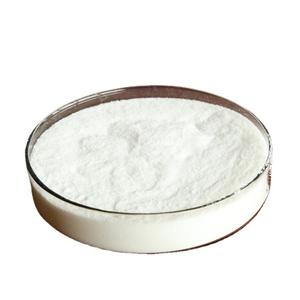
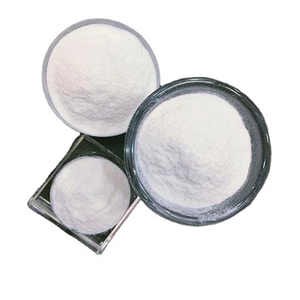
Hydroxypropyl Methylcellulose (HPMC), nona ka inoa Pake he hydroxypropyl methylcellulose, he semi-synthetic, non-ionic cellulose ether i loaʻa ma ke kemika hoʻololi ʻana i ka cellulose kūlohelohe. Hiki i kēia pauka keʻokeʻo ke hana i kahi hopena viscous akaka ma hope o ka hoʻoheheʻe ʻana i ka wai. He mānoanoa maikaʻi loa, paʻa wai, paʻa a me nā waiwai hana kiʻiʻoniʻoni. He mea hoʻohui multifunctional indispensable i nā kula he nui e like me ke kūkulu ʻana.
Characteristics and advantages of Hydroxypropyl Methyl Cellulose HPMC Cellulose for Cement Based Tile Mortars
Hiki ke hoʻoheheʻe wai: Hiki ke hoʻoheheʻe koke ʻia i loko o ka wai anuanu e hana i kahi hopena akaka a paʻa.
Hiki i ka mānoanoa a me ka mālama wai: E hoʻonui i ka viscosity o ka mea, e hoemi pono i ka wai, a hoʻomaikaʻi maikaʻi i ka hana.
Paʻa maikaʻi: Loaʻa iā ia ke kūpaʻa maikaʻi i nā waikawa, alkalis, a me nā paʻakai, a he kūpono ia no ka nui o nā waiwai pH.
Nā hopena kiʻiʻoniʻoni a me ka pale: Ma hope o ka maloʻo ʻana, hana ia i kahi kiʻiʻoniʻoni paʻakikī a maopopo e pale i ka substrate a pale i ke komo ʻana o ka wai a me ka evaporation.
ʻAʻohe mea ʻawaʻawa a me ka hoʻonāukiuki ʻole: Loaʻa iā ia ka biocompatibility maikaʻi a kūpono i nā ʻano lāʻau lapaʻau a me nā meaʻai.
Hoʻoponopono: Ma ka hoʻololi ʻana i ke degere o ka hoʻololi ʻana a me ke kaumaha molekala, hiki ke hoʻololi i kāna hana e hoʻokō i nā koi noi like ʻole.

Specifications of Hydroxypropyl Methyl Cellulose HPMC Cellulose for Cement Based Tile Mortars
Hydroxypropyl Methyl Cellulose (HPMC) for Cement-Based Ceramic Tile Mortars
Koi malu
Ka nana aku: Keʻokeʻo a keʻokeʻo keʻokeʻo keʻokeʻo ka pauda kahe ʻole. No visible impurities.
ʻĀpana Bit: 95% passes through an 80-mesh sieve. Great and regular structure guarantees also blending.
ʻO ka ʻike pūnaewele Methoxy: 19.0– 24.0%. This variety sustains solid water retention and workability.
Hydroxypropoxy maʻiʻo: 4.0– 12.0%. Assists control open time and adhesion performance.
mānoanoa (2% lawelawe, 20 ° C): Readily available in several grades– maʻamau 4,000 i 100,000 mPa · s. Greater thickness boosts sag resistance; lower thickness help simplicity of blending.
pH (2% hoʻonā): 6.0– 8.0. Neutral pH protects against undesirable reactions with concrete or additives.
Wetness Web maʻiʻo: ≤ 5.0%. Low moisture makes sure lengthy shelf life and stable efficiency.
Mea Lehu: ≤ 5.0%. Minimal inorganic deposit preserves mortar purity.
Ka Mahana Gel: 58– 62 ° C. Suitable for basic application problems without early thickening.
Performance Benefits in Ceramic Tile Mortars
HPMC serves as a crucial additive in cement-based tile adhesives. It holds water in the mix so concrete can fully moisturize. This causes far better bond strength and fewer splits. The powder dissolves easily in cold water. It develops a smooth, lump-free service that blends well with other active ingredients.
Workability stays regular over time. Installers obtain even more open time to adjust tiles prior to the mortar collections. HPMC also reduces slip. Floor tiles remain in put on vertical surface areas without moving down.
The product satisfies global top quality requirements. It is free from damaging compounds. He maʻalahi ka wahi mālama– keep it completely dry and cool. Usage within one year for finest outcomes.
This HPMC grade is created expert ceramic tile setting. It supplies reputable performance across various climates and task website conditions.
Applications of Hydroxypropyl Methyl Cellulose HPMC Cellulose for Cement Based Tile Mortars
Nā noi o Hydroxypropyl Methyl Cellulose (HPMC) in Cement-Based Tile Mortars
Enhanced Workability and Consistency
Hydroxypropyl methyl cellulose (HPMC) makes ceramic tile mortars less complicated to mix, pahola aku, and take care of. It offers the mortar a smooth, creamy appearance that remains constant during application. Employees locate it simpler to trowel and adjust floor tiles without the mix drying also quick or ending up being lumpy.
ʻOi aku ka maikaʻi o ka mālama ʻana i ka wai
HPMC holds water inside the mortar enough time for cement to completely hydrate. This is important on permeable surface areas like brick or completely dry concrete, where water can be taken out also promptly. Excellent water retention implies more powerful bonding and fewer weak spots in the final installation.
Improved Adhesion
Me HPMC added to the mix, ceramic tile mortars stick much better to both the support surface and the ceramic tile itself. The polymer creates a slim film that helps bind products with each other. This reduces the threat of floor tiles loosening or diminishing gradually, specifically in locations with temperature changes or moisture direct exposure.
Lowered Sag and Slippage
Ceramic tiles put on vertical surface areas commonly move down prior to the mortar sets. HPMC enhances the mortar’s density and hold, maintaining floor tiles strongly in position. This conserves time and labor since installers don’t need to reposition tiles repetitively.
Controlled Open Time
HPMC prolongs the working time of the mortar after it’s used. Installers can put and adjust multiple ceramic tiles without rushing. This open time permits more accurate alignment and cleaner outcomes, also in warm or completely dry conditions.
Break Resistance and Sturdiness
The enhancement of HPMC enhances flexibility in the hard mortar. This assists take in tiny motions brought on by developing settling or thermal expansion. Ma muli o kēia, the danger of fractures forming in between ceramic tiles or at sides is considerably decreased, resulting in longer-lasting setups.
ʻO ka moʻolelo o ka hui
ʻO mākou ke alakaʻi o ka honua i nā ʻenehana māmā a me nā hoʻonā ʻenehana i hana ʻia. ʻIke ʻia ma ka honua holoʻokoʻa no kāna kūpaʻa i ka noiʻi, mea hou, a me ka ʻike noiʻi, ke hāʻawi nei mākou i nā hoʻonā ʻenehana i hana ʻia mai ka makahiki 2012.
Hiki iā mākou ke hāʻawi aku i ka hoʻohui ʻana i nā mea hoʻohui kiʻekiʻe kiʻekiʻe a me nā huahana pili i ka foam concrete a puni ka honua.
He keʻena ʻenehana ʻoihana a me ka ʻoihana kiaʻi maikaʻi ka hui, he hale hana i hoolako pono ia, a hoʻolako ʻia me nā lako hoʻāʻo kiʻekiʻe a me ke kikowaena lawelawe mea kūʻai aku ma hope o ke kūʻai aku.
Inā hoihoi ʻoe, e ʻoluʻolu a e hoʻokaʻaʻike mai iā mākou.
Uku
T/T, Hui Komohana, Paypal, Kāleka ʻaiʻē etc.
Hoʻouna
Ma ka lewa, ma ke kai, ma ka hoike, e like me ke noi a nā mea kūʻai aku.
5 FAQs of Hydroxypropyl Methyl Cellulose HPMC Cellulose for Cement Based Tile Mortars
Frequently Asked Questions About HPMC in Cement-Based Tile Mortars
What is HPMC and why is it used in tile mortars?
He kū ka HPMC no Hydroxypropyl Methyl Cellulose. He pauka keʻokeʻo i hana ʻia mai ka cellulose maoli. Builders add it to cement-based tile mortars to improve workability. It helps the mortar stay smooth and easy to spread. It also stops the mix from drying too fast.
How does HPMC affect water retention?
HPMC holds water inside the mortar. This is important because cement needs water to harden properly. Me ka lawa ole o ka wai, the bond between tile and wall becomes weak. HPMC keeps water in place long enough for full curing. This leads to stronger adhesion and fewer failures.
Does HPMC change the setting time of mortar?
ʻAe, aka he uuku wale no. Hoʻolohi ka HPMC i ka nalowale wai, so the surface stays workable longer. The actual chemical setting of cement is not delayed much. This gives workers more time to adjust tiles without rushing. The final strength is not affected if the right amount is used.
How much HPMC should be added to tile mortar?
ʻO ka dosage maʻamau 0.1% i 0.4% ma ke kaumaha o ka nui o na mea maloo. The exact amount depends on climate, ʻano sima, and sand quality. Too little HPMC may not give enough water retention. ʻO ka nui loa e hiki ke hoʻopili a lohi paha ka hoʻonohonoho ʻana. E hahai mau i nā ʻōlelo a ka mea hana.
Can HPMC improve sag resistance on vertical surfaces?
ʻAe. HPMC increases the viscosity of the wet mortar. This helps it stick to walls without sliding down. Tiles stay in place right after installation. This is especially useful for large or heavy tiles on vertical surfaces like showers or backsplashes.
NOI I KA PALAPALA
NA HUAKAI PILI
HPMC chemicals powder coating paint dry mixed mortar raw materials Hpmc Powder
Good Hydroxypropyl Methyl Cellulose HPMC Equivalent to Bermocoll Tylose Walocel Culminal
Detergent grade HPMC 9004-65-3 Hydroxypropyl methyl cellulose

9004 65 3 Hydroxypropyl Methyl Cellulose HPMC 200000 ʻO ka CPS Construction Chemical e like me Walocel
Hoʻonui ʻia ka manawa wehe KelloCel MK 6058 Hoʻololi ʻia ka Papa Hana Hana HPMC No nā Kile Adhesives
