Li-additives tsa Konkreite tse bobebe | Li-Agents tse Foaming tse Phahameng ka ho Fetisisa bakeng sa Konkreite ea Cellular

LITLHAKISO TSA LITŠOANTŠISO
Tlhaloso
Introduction to Hydroxypropyl Methyl Cellulose HPMC Cellulose for Cement Based Tile Mortars
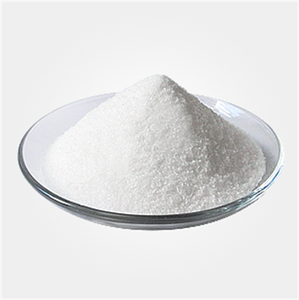
Hydroxypropyl methylcellulose (HPMC), eo lebitso la hae la Sechaena e leng hydroxypropyl methylcellulose, ke semi-synthetic, non-ionic cellulose ether e fumanoang ka ho fetola lik'hemik'hale selulose ea tlhaho. Phofo ena e tšoeu e ka etsa tharollo e hlakileng ea viscous ka mor'a hore e qhibilihe ka metsing. E na le thickening e babatsehang, ho boloka metsi, botsitso le thepa ea ho etsa lifilimi. Ke tlatsetso ea bohlokoa ea mesebetsi e mengata mafapheng a mangata joalo ka kaho.
Characteristics and advantages of Hydroxypropyl Methyl Cellulose HPMC Cellulose for Cement Based Tile Mortars
Ho qhibiliha ha metsi hantle: E ka qhibiliha ka potlako metsing a batang ho etsa tharollo e hlakileng le e tsitsitseng.
Bokhoni bo sebetsang ba ho tiisa le ho boloka metsi: Eketsa viscosity ea lintho tse bonahalang, ka katleho fokotsa mouoane oa metsi, le ho ntlafatsa katleho ea mosebetsi.
Botsitso bo botle: E na le botsitso bo botle ho li-acids, alkalis, le matsoai, mme e loketse mefuta e mengata ya pH ya boleng.
Ho etsa lifilimi le litlamorao tse sireletsang: Kamora ho omisa, e etsa filimi e thata le e hlakileng ho sireletsa substrate le ho thibela ho kenella ha metsi le ho fetoha mouoane.
E se nang chefo ebile e sa tenehe: E na le biocompatibility e ntle mme e loketse masimo a meriana le lijo.
Ho fetoha: Ka ho fetola tekanyo ea ho fetola le boima ba molek'hule, tshebetso ea eona e ka fetoloa ho finyella litlhoko tse fapaneng tsa kopo.

Specifications of Hydroxypropyl Methyl Cellulose HPMC Cellulose for Cement Based Tile Mortars
Hydroxypropyl Methyl Cellulose (HPMC) for Cement-Based Ceramic Tile Mortars
Litlhoko tsa Lekunutu
Ponahalo: Phofo e phallang e sa lefelloeng e tšoeu ho isa ho bosoeu. No visible impurities.
Bit Dimension: 95% e feta har'a sieve ea 80-mesh. Great and regular structure guarantees also blending.
Methoxy Web content: 19.0– 24.0%. This variety sustains solid water retention and workability.
Hydroxypropoxy Content: 4.0– 12.0%. Assists control open time and adhesion performance.
Botenya (2% tshebeletso, 20 °C): Readily available in several grades– ka tlwaelo 4,000 ho 100,000 mPa · s. Greater thickness boosts sag resistance; lower thickness help simplicity of blending.
pH (2% tharollo): 6.0– 8.0. Neutral pH protects against undesirable reactions with concrete or additives.
Likahare tsa Wetness Web: ≤ 5.0%. Low moisture makes sure lengthy shelf life and stable efficiency.
Lintho tse Molora: ≤ 5.0%. Minimal inorganic deposit preserves mortar purity.
Mocheso oa Gel: 58– 62 °C. Suitable for basic application problems without early thickening.
Performance Benefits in Ceramic Tile Mortars
HPMC serves as a crucial additive in cement-based tile adhesives. It holds water in the mix so concrete can fully moisturize. This causes far better bond strength and fewer splits. The powder dissolves easily in cold water. It develops a smooth, lump-free service that blends well with other active ingredients.
Workability stays regular over time. Installers obtain even more open time to adjust tiles prior to the mortar collections. HPMC also reduces slip. Floor tiles remain in put on vertical surface areas without moving down.
The product satisfies global top quality requirements. It is free from damaging compounds. Sebaka sa polokelo se bonolo– e boloke e omme ka ho feletseng mme e pholile. Usage within one year for finest outcomes.
This HPMC grade is created expert ceramic tile setting. It supplies reputable performance across various climates and task website conditions.
Applications of Hydroxypropyl Methyl Cellulose HPMC Cellulose for Cement Based Tile Mortars
Lisebelisoa tsa Hydroxypropyl Methyl Cellulose (HPMC) ka Samente-Based Tile Mortars
Ntlafatso ea ho sebetsa le ho tsitsisa
Hydroxypropyl methyl cellulose (HPMC) makes ceramic tile mortars less complicated to mix, hasana, and take care of. It offers the mortar a smooth, creamy appearance that remains constant during application. Employees locate it simpler to trowel and adjust floor tiles without the mix drying also quick or ending up being lumpy.
Ho Boloka Metsi a Molemo
HPMC e tšoara metsi ka har'a seretse enough time for cement to completely hydrate. This is important on permeable surface areas like brick or completely dry concrete, where water can be taken out also promptly. Excellent water retention implies more powerful bonding and fewer weak spots in the final installation.
Improved Adhesion
Ka HPMC added to the mix, ceramic tile mortars stick much better to both the support surface and the ceramic tile itself. The polymer creates a slim film that helps bind products with each other. This reduces the threat of floor tiles loosening or diminishing gradually, specifically in locations with temperature changes or moisture direct exposure.
Lowered Sag and Slippage
Ceramic tiles put on vertical surface areas commonly move down prior to the mortar sets. HPMC enhances the mortar’s density and hold, maintaining floor tiles strongly in position. This conserves time and labor since installers don’t need to reposition tiles repetitively.
Nako ea ho Bula e Laolehileng
HPMC prolongs the working time of the mortar after it’s used. Installers can put and adjust multiple ceramic tiles without rushing. This open time permits more accurate alignment and cleaner outcomes, also in warm or completely dry conditions.
Break Resistance and Sturdiness
The enhancement of HPMC enhances flexibility in the hard mortar. This assists take in tiny motions brought on by developing settling or thermal expansion. Ka lebaka la sena, the danger of fractures forming in between ceramic tiles or at sides is considerably decreased, resulting in longer-lasting setups.
Boemo ba Khoebo
Re moetapele oa lefats'e oa konkreite e bobebe le tharollo ea foam e tsoetseng pele. E tsebahala lefatšeng ka bophara ka boitlamo ba eona ba ho etsa lipatlisiso, popontshwa, le botsebi bo sebelisitsoeng, esale re fana ka tharollo ea foam e entsoeng ka boenjiniere ho tloha qalong ea 2012.
Re ka fana ka motsoako oa boleng bo holimo oa konkreite le lihlahisoa tse amanang le konkreite ea foam lefatšeng ka bophara.
Khampani e na le lefapha la litsebi tsa theknoloji le lefapha la tlhokomelo ea boleng, laboratori e nang le lisebelisoa hantle, hape e na le lisebelisoa tse tsoetseng pele tsa tlhahlobo le setsi sa litšebeletso tsa bareki ka mor'a thekiso.
Haeba u thahasella, ka kopo ikutloe u lokolohile 'me u ikopanye le rona.
Tefo
T/T, phetiso ea chelete e bitsoang western union, Paypal, Credit Card etc.
Thomello
Ka moea, ka leoatle, ka Express, joalo ka ha bareki ba kopa.
5 FAQs of Hydroxypropyl Methyl Cellulose HPMC Cellulose for Cement Based Tile Mortars
Frequently Asked Questions About HPMC in Cement-Based Tile Mortars
What is HPMC and why is it used in tile mortars?
HPMC e emetse Hydroxypropyl Methyl Cellulose. Ke phofo e tšoeu e entsoeng ka selulose ea tlhaho. Builders add it to cement-based tile mortars to improve workability. It helps the mortar stay smooth and easy to spread. E boetse e thibela motsoako ho omella kapele haholo.
HPMC e ama joang ho bolokoa ha metsi?
HPMC e tšoara metsi ka har'a seretse. This is important because cement needs water to harden properly. Ntle le metsi a lekaneng, the bond between tile and wall becomes weak. HPMC keeps water in place long enough for full curing. This leads to stronger adhesion and fewer failures.
Na HPMC e fetola nako ea ho beha seretse?
Ee, empa hanyenyane feela. HPMC e liehisa tahlehelo ea metsi, so the surface stays workable longer. The actual chemical setting of cement is not delayed much. This gives workers more time to adjust tiles without rushing. The final strength is not affected if the right amount is used.
How much HPMC should be added to tile mortar?
Tekanyo e tloaelehileng ke 0.1% ho 0.4% ka boima ba thepa e ommeng kaofela. The exact amount depends on climate, mofuta oa samente, and sand quality. Too little HPMC may not give enough water retention. Ho hongata haholo ho ka etsa hore motsoako o khomarele kapa o liehe ho beha. Kamehla latela litaelo tsa moetsi.
Can HPMC improve sag resistance on vertical surfaces?
Ee. HPMC increases the viscosity of the wet mortar. This helps it stick to walls without sliding down. Tiles stay in place right after installation. This is especially useful for large or heavy tiles on vertical surfaces like showers or backsplashes.
KOPO KHOPO
LIHLAHISO TSE HLAHANG

HydroxyPropyl Methyl Cellulose HPMC boemo ba indasteri Chemical Raw Material for Cement Thickening

Hpmc ea morao-rao ea boleng bo botle bakeng sa Moemeli oa Polymer Clay Smoothing From Direct

High Performance Instant Thickener Powder Cellulose Ether Hydroxypropyl Methyl Cellulose HPMC

Hydroxypropyl Methyl Cellulose HPMC Ho Thibela Metsi Keketso e Matlafatsang Konkreite le Botšepehi ba Lithaele
Hydroxypropyl Methyl Cellulose HPMC for Ceramic Tile Adhesive Mortar Putty Ceramic Tile Paste 9004 65 3