


Lightweight Nja Additives | Awọn aṣoju Fọmu Iṣe-giga fun Nja Cellular

Ọja parameters
Apejuwe
Introduction to Hydroxypropyl Methyl Cellulose HPMC Cellulose for Cement Based Tile Mortars
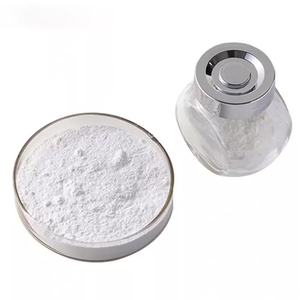
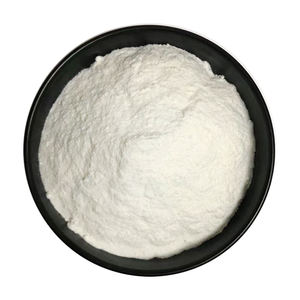
Hydroxypropyl Methylcellulose (HPMC), ti orukọ Kannada jẹ hydroxypropyl methylcellulose, jẹ ologbele-sintetiki, ether cellulose ti kii-ionic ti a gba nipasẹ kemikali ti o yipada cellulose adayeba. Lulú funfun yii le ṣẹda ojutu viscous ti o han gbangba lẹhin tituka ninu omi. O ni o ni o tayọ thickening, idaduro omi, iduroṣinṣin ati awọn ohun-ini iṣelọpọ fiimu. O jẹ aropọ multifunctional ti ko ṣe pataki ni ọpọlọpọ awọn aaye bii ikole.
Characteristics and advantages of Hydroxypropyl Methyl Cellulose HPMC Cellulose for Cement Based Tile Mortars
O tayọ omi solubility: O le yarayara ni tituka ni omi tutu lati ṣe agbekalẹ ojutu ti o han gbangba ati iduroṣinṣin.
Ipọnra daradara ati agbara idaduro omi: Mu iki ti ohun elo naa pọ si, fe ni din omi evaporation, ati ilọsiwaju iṣẹ ṣiṣe.
Iduroṣinṣin to dara: O ni iduroṣinṣin to dara si awọn acids, alkalis, ati iyọ, ati pe o dara fun ọpọlọpọ awọn iye pH.
Ṣiṣe fiimu ati awọn ipa aabo: Lẹhin gbigbe, o ṣe fiimu ti o nira ati ti o han gbangba lati daabobo sobusitireti ati dena ilaluja omi ati evaporation.
Non-majele ti ati ti kii-irritating: O ni ibamu biocompatibility ti o dara ati pe o dara fun awọn aaye oogun ati ounjẹ.
Atunṣe: Nipa yiyipada iwọn aropo ati iwuwo molikula, iṣẹ rẹ le ṣe atunṣe lati pade awọn ibeere ohun elo oriṣiriṣi.

Specifications of Hydroxypropyl Methyl Cellulose HPMC Cellulose for Cement Based Tile Mortars
Hydroxypropyl Methyl Cellulose (HPMC) for Cement-Based Ceramic Tile Mortars
Secret awọn ibeere
Ifarahan: Funfun si pa-funfun free-ṣàn lulú. No visible impurities.
Bit Dimension: 95% gba nipasẹ kan 80-mesh sieve. Great and regular structure guarantees also blending.
Methoxy akoonu oju-iwe ayelujara: 19.0– 24.0%. This variety sustains solid water retention and workability.
Akoonu Hydroxypropoxy: 4.0– 12.0%. Assists control open time and adhesion performance.
Sisanra (2% iṣẹ, 20 ° C): Ni imurasilẹ wa ni ọpọlọpọ awọn onipò– deede 4,000 si 100,000 mPa · s. Greater thickness boosts sag resistance; lower thickness help simplicity of blending.
pH (2% ojutu): 6.0– 8.0. Neutral pH protects against undesirable reactions with concrete or additives.
Akoonu oju opo wẹẹbu tutu: ≤ 5.0%. Low moisture makes sure lengthy shelf life and stable efficiency.
Ohun elo Eeru: ≤ 5.0%. Minimal inorganic deposit preserves mortar purity.
Jeli otutu: 58– 62 ° C. Suitable for basic application problems without early thickening.
Performance Benefits in Ceramic Tile Mortars
HPMC serves as a crucial additive in cement-based tile adhesives. It holds water in the mix so concrete can fully moisturize. This causes far better bond strength and fewer splits. The powder dissolves easily in cold water. It develops a smooth, lump-free service that blends well with other active ingredients.
Workability stays regular over time. Installers obtain even more open time to adjust tiles prior to the mortar collections. HPMC also reduces slip. Floor tiles remain in put on vertical surface areas without moving down.
The product satisfies global top quality requirements. It is free from damaging compounds. Aaye ibi ipamọ rọrun– keep it completely dry and cool. Lilo laarin ọdun kan fun awọn abajade to dara julọ.
This HPMC grade is created expert ceramic tile setting. It supplies reputable performance across various climates and task website conditions.
Applications of Hydroxypropyl Methyl Cellulose HPMC Cellulose for Cement Based Tile Mortars
Awọn ohun elo ti Hydroxypropyl Methyl Cellulose (HPMC) in Cement-Based Tile Mortars
Imudara Ṣiṣẹ ati Aitasera
Hydroxypropyl methyl cellulose (HPMC) makes ceramic tile mortars less complicated to mix, tan jade, and take care of. It offers the mortar a smooth, creamy appearance that remains constant during application. Employees locate it simpler to trowel and adjust floor tiles without the mix drying also quick or ending up being lumpy.
Dara Omi Idaduro
HPMC di omi inu amọ enough time for cement to completely hydrate. This is important on permeable surface areas like brick or completely dry concrete, where water can be taken out also promptly. Excellent water retention implies more powerful bonding and fewer weak spots in the final installation.
Ilọsiwaju Adhesion
Pẹlu HPMC added to the mix, ceramic tile mortars stick much better to both the support surface and the ceramic tile itself. The polymer creates a slim film that helps bind products with each other. This reduces the threat of floor tiles loosening or diminishing gradually, specifically in locations with temperature changes or moisture direct exposure.
Lowered Sag and Slippage
Ceramic tiles put on vertical surface areas commonly move down prior to the mortar sets. HPMC enhances the mortar’s density and hold, maintaining floor tiles strongly in position. This conserves time and labor since installers don’t need to reposition tiles repetitively.
Aago Ṣii ti iṣakoso
HPMC prolongs the working time of the mortar after it’s used. Installers can put and adjust multiple ceramic tiles without rushing. This open time permits more accurate alignment and cleaner outcomes, also in warm or completely dry conditions.
Break Resistance and Sturdiness
The enhancement of HPMC enhances flexibility in the hard mortar. This assists take in tiny motions brought on by developing settling or thermal expansion. Nitori eyi, the danger of fractures forming in between ceramic tiles or at sides is considerably decreased, resulting in longer-lasting setups.
Ifihan ile ibi ise
A jẹ oludari agbaye ni nja iwuwo fẹẹrẹ ati awọn solusan foomu ti ilọsiwaju. Ti a mọ ni agbaye fun ifaramo rẹ si iwadii, imotuntun, ati ki o loo ĭrìrĭ, a ti n pese awọn solusan foomu ti a ṣe atunṣe lati ibẹrẹ 2012's.
A le pese admixture nja to gaju ati awọn ọja ti o ni ibatan foomu ni gbogbo agbaye.
Ile-iṣẹ naa ni ẹka imọ-ẹrọ ọjọgbọn ati ẹka abojuto didara, yàrá ti o ni ipese daradara, ati ipese pẹlu to ti ni ilọsiwaju igbeyewo ẹrọ ati lẹhin-tita onibara iṣẹ aarin.
Ti o ba nife, jọwọ lero free ati ki o kan si wa.
Isanwo
T/T, Western Union, Paypal, Kaadi Kirẹditi ati bẹbẹ lọ.
Gbigbe
Nipa afẹfẹ, nipa okun, nipa kiakia, bi awọn onibara beere.
5 FAQs of Hydroxypropyl Methyl Cellulose HPMC Cellulose for Cement Based Tile Mortars
Frequently Asked Questions About HPMC in Cement-Based Tile Mortars
What is HPMC and why is it used in tile mortars?
HPMC duro fun Hydroxypropyl Methyl Cellulose. O jẹ lulú funfun ti a ṣe lati cellulose adayeba. Builders add it to cement-based tile mortars to improve workability. It helps the mortar stay smooth and easy to spread. O tun da apopọ duro lati gbigbe ni yarayara.
Bawo ni ipa HPMC omi idaduro?
HPMC di omi inu amọ. This is important because cement needs water to harden properly. Laisi omi to, the bond between tile and wall becomes weak. HPMC keeps water in place long enough for full curing. This leads to stronger adhesion and fewer failures.
Ṣe HPMC yipada akoko eto ti amọ?
Bẹẹni, sugbon nikan die-die. HPMC fa fifalẹ isonu omi, so the surface stays workable longer. The actual chemical setting of cement is not delayed much. This gives workers more time to adjust tiles without rushing. The final strength is not affected if the right amount is used.
How much HPMC should be added to tile mortar?
Awọn aṣoju doseji ni 0.1% si 0.4% nipa iwuwo ti awọn ohun elo gbigbẹ lapapọ. Iye gangan da lori afefe, simenti iru, and sand quality. Too little HPMC may not give enough water retention. Pupọ pupọ le jẹ ki adapọ di alalepo tabi lọra lati ṣeto. Nigbagbogbo tẹle awọn ilana olupese.
Can HPMC improve sag resistance on vertical surfaces?
Bẹẹni. HPMC increases the viscosity of the wet mortar. This helps it stick to walls without sliding down. Tiles stay in place right after installation. This is especially useful for large or heavy tiles on vertical surfaces like showers or backsplashes.
BERE ORO
Awọn ọja ti o jọmọ

Hydroxy Propyl Methyl Cellulose (HPMC) Chemical Auxiliary Agent for Industrial Use
Hot Industry Grade High Viscosity Hydroxypropyl Methyl Cellulose HPMC for Tile Adhesive and Cement Mortar

methocel HPMC fun gbogbo kun yiyọ oluranlowo
Factory Industrial Ite Kun Coating Instant Viscosity 100000 si 200000 CPS Hydroxypropyl Methyl Cellulose HPMC

China Factory Direct s Hydroxypropyl Methyl Cellulose HPMC 200000 Didara Giga Didara fun Isopọ Tile Tile