


Leve Concretum Additives | Summus euismod Spumantes Agentia Cellular Concrete

PARAMETERS FRUCTUS
Descriptio
Introduction to Hydroxypropyl Methyl Cellulose HPMC Cellulose for Cement Based Tile Mortars
Hydroxypropyl Methylcellulosum (HPMC), cui Chinese nomen hydroxypropyl methylcellulosum, semi-synthetica est, cellulosum non-ionicum nactus chemica modificare cellulosum naturalem. Hoc album pulveris viscosum diaphanum formare potest solutio in aqua resoluta. Habet optimum crasso, aqua retentione, stabilitatem film institutoria proprietatibus. Necessarium est multifunctional ELOGIUM in multis campis, ut constructione.
Characteristics and advantages of Hydroxypropyl Methyl Cellulose HPMC Cellulose for Cement Based Tile Mortars
Optima aqua solubility: Aqua frigida cito dissolvi potest solutionem claram et stabilem formare.
Crassitudine efficientis et aquae retentione facultatem: Crescite viscositatem materiae, efficacius reducere aqua evaporatio, ac meliorem opus efficientiam.
Bonum statum: Bonum statum acida habet, alcali, et salibus, et apta est ad pH amplis valoribus.
Amet institutoria et tutela effectus: Post siccitatem, duram et perlucidam format ut subiectam tutelam et aquae penetrationem et evaporationem prohibeat.
Non toxicus et non irritans: Biocompatibilitatem bonam habet et medicinalibus et cibariis aptus est.
Adjustability: Mutando gradum substitutionis et pondus hypotheticum, sua perficientur urna ad occursum diversis application requisita.

Specifications of Hydroxypropyl Methyl Cellulose HPMC Cellulose for Cement Based Tile Mortars
Hydroxypropyl Methyl Cellulose (HPMC) for Cement-Based Ceramic Tile Mortars
Secretum Requirements
Aspectus: Album ut off-alba libero fluit pulveris. Non visibilia immunditia.
Bit Dimension: 95% passes through an 80-mesh sieve. Great and regular structure guarantees also blending.
Methoxy contentum interretiale: 19.0– 24.0%. This variety sustains solid water retention and workability.
Hydroxypropoxy Content: 4.0– 12.0%. Assists control open time and adhesion performance.
Crassitudo (2% servitium, 20 ° C): Parabilia in pluribus gradibus– Northmanni 4,000 to 100,000 mPa · s. Greater thickness boosts sag resistance; lower thickness help simplicity of blending.
pH* (2% solution): 6.0– 8.0. Neutral pH protects against undesirable reactions with concrete or additives.
Wetness content web: ≤ 5.0%. Low moisture makes sure lengthy shelf life and stable efficiency.
Materia cinis: ≤ 5.0%. Minimal inorganic deposit preserves mortar purity.
Gel Temperature: 58– 62 ° C. Suitable for basic application problems without early thickening.
Performance Benefits in Ceramic Tile Mortars
HPMC serves as a crucial additive in cement-based tile adhesives. It holds water in the mix so concrete can fully moisturize. This causes far better bond strength and fewer splits. The powder dissolves easily in cold water. It develops a smooth, lump-free service that blends well with other active ingredients.
Workability stays regular over time. Installers obtain even more open time to adjust tiles prior to the mortar collections. HPMC also reduces slip. Floor tiles remain in put on vertical surface areas without moving down.
The product satisfies global top quality requirements. It is free from damaging compounds. At locus facilis– keep it completely dry and cool. Usus intra unum annum ad optimos eventus.
This HPMC grade is created expert ceramic tile setting. It supplies reputable performance across various climates and task website conditions.
Applications of Hydroxypropyl Methyl Cellulose HPMC Cellulose for Cement Based Tile Mortars
Applications Hydroxypropyl Methyl Cellulose (HPMC) in Cement-Based Tile Mortars
Consectetur Workability et Constantia
Hydroxypropyl yl cellulosum (HPMC) makes ceramic tile mortars less complicated to mix, expandi, and take care of. It offers the mortar a smooth, creamy appearance that remains constant during application. Employees locate it simpler to trowel and adjust floor tiles without the mix drying also quick or ending up being lumpy.
Melius aqua retentionis
HPMC tenet aquam intra mortarium enough time for cement to completely hydrate. This is important on permeable surface areas like brick or completely dry concrete, where water can be taken out also promptly. Excellent water retention implies more powerful bonding and fewer weak spots in the final installation.
Improved Adhesio
Cum HPMC added to the mix, ceramic tile mortars stick much better to both the support surface and the ceramic tile itself. The polymer creates a slim film that helps bind products with each other. This reduces the threat of floor tiles loosening or diminishing gradually, specifically in locations with temperature changes or moisture direct exposure.
Lowered Sag and Slippage
Ceramic tiles put on vertical surface areas commonly move down prior to the mortar sets. HPMC enhances the mortar’s density and hold, maintaining floor tiles strongly in position. This conserves time and labor since installers don’t need to reposition tiles repetitively.
Imperium Open Tempus
HPMC prolongs the working time of the mortar after it’s used. Installers can put and adjust multiple ceramic tiles without rushing. This open time permits more accurate alignment and cleaner outcomes, also in warm or completely dry conditions.
Frange resistentiam et robur
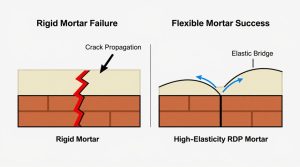
The enhancement of HPMC enhances flexibility in the hard mortar. This assists take in tiny motions brought on by developing settling or thermal expansion. Propter hoc, the danger of fractures forming in between ceramic tiles or at sides is considerably decreased, resulting in longer-lasting setups.
Turba Profile
Sumus dux globalis in leve concretum et provectus solutiones machinatorum spumae. Notum globally pro officio ad investigationes, innovation, et applicatae peritia, solutiones spumas machinatas paravimus cum mane 2012's.
Summus qualitas concreta admixtionem suppeditare et concretos fructus relatos in toto orbe terrarum spumare.
Societatem habet professionalis technicae artis et qualis vigilantiae department, instructi officinarum, et instructi ad probationes provectus apparatu et post-venditio Lorem ministerium centrum.
Si vos es interested, placet liberum contactus nos.
Payment
T/T, Occidentis Unionis, Paypal, Promeritum Pecto etc.
shipment
per aerem, per mare, per expresso, ut customers peto.
5 FAQs of Hydroxypropyl Methyl Cellulose HPMC Cellulose for Cement Based Tile Mortars
Frequently Asked Questions About HPMC in Cement-Based Tile Mortars
Quid est HPMC, et cur in tegularum mortario adhibitum??
HPMC stands for Cursuali. Est cerussa facta ex cellulosa naturali. Structores eam addere caementa substructio in mortariis ad emendandum workability. It helps the mortar stay smooth and easy to spread. It also stops the mix from drying too fast.
Quomodo HPMC afficit aqua retentione?
HPMC tenet aquam intra mortarium. This is important because cement needs water to harden properly. Sine aqua satis, the bond between tile and wall becomes weak. HPMC keeps water in place long enough for full curing. This leads to stronger adhesion and fewer failures.
Numquid HPMC mutat occasum tempore cæmento?
Ita, sed parum. HPMC cohibetur aqua detrimentum, so the surface stays workable longer. The actual chemical setting of cement is not delayed much. This gives workers more time to adjust tiles without rushing. The final strength is not affected if the right amount is used.
How much HPMC should be added to tile mortar?
Proprium dosis est 0.1% to 0.4% per pondus totalis materiae arida. In simplum pendent caeli, caementum genus, and sand quality. Too little HPMC may not give enough water retention. Nimis potest facere misce lentum vel tardum ut. Praecepta fabrica semper sequere.
Can HPMC improve sag resistance on vertical surfaces?
Ita. HPMC increases the viscosity of the wet mortar. This helps it stick to walls without sliding down. Tiles stay in place right after installation. This is especially useful for large or heavy tiles on vertical surfaces like showers or backsplashes.
PETO A QUOTE
AGNATUS PRODUCTS
Chemicals in glutino hmpc grossiore adhibita ad pingendum liquefaciendum tenaces hpmc agentium chemicorum auxiliarium
officinas direct s Hpmc 200000 Princeps qualitas castitatis Hpmc ad aedificationem laterem compagem tenaces
HpMC medicamine chemica HPMC liquido lauandi purgat shampoos usus HPMC

hpmc fiyat ille pulveris adhesivus uterentur gradus
Factory exitum cellulosum hpmc pulveris hidroxipropil metilcelul methocel for industry
