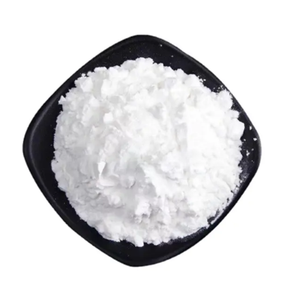
Te mau tao'a tahi mâmâ | Te mau rave'a haaparareraa parau teitei no te cellular concrete

TE MAU PARAMETERS
Tuʻaroʻa
Introduction to Hydroxypropyl Methyl Cellulose HPMC Cellulose for Cement Based Tile Mortars
Methylcellulose (HPMC), te i'oa tinito o te hydroxypropyl methylcellulose ïa, o te hoê ïa afa-synthetic, Ether cellulose aita e ionic i noaa mai na roto i te tauiraa i te mau tao'a tahi ora. I muri a'e i to ' na iritiraa i roto i te pape, e nehenehe teie puehu uouo e hamani i te hoê faaafaroraa maramarama. He matotoru whakamiharo tona, te tape'araa i te pape, te vai-maitai-raa e te mau hoho'a teata. E mea faufaa roa te reira i roto i te mau ohipa e rave rahi, mai te paturaa i te fare.
Characteristics and advantages of Hydroxypropyl Methyl Cellulose HPMC Cellulose for Cement Based Tile Mortars
Te pape maitai roa: E nehenehe te reira e faaore oioihia i roto i te pape to'eto'e no te faaineine i te hoê faatitiaifaroraa maramarama e te papû.
Te aravihi no te tape'a i te pape e te matotoru: Faarahi i te î o te mau tao'a, faaiti maitai i te hu'ahu'a o te pape, e te haamaitai i te aravihi o te ohipa.
Te vai - maitai - raa: E vai maitai to'na i ni'a i te mau hu'ahu'a, mau alkali, e te mau tote, e e mea tano no te mau faito pH e rave rahi.
Te mau faahopearaa no te hamaniraa i te hoho'a teata e te parururaa: I muri a'e i te maroraa, no te paruru i te hu'ahu'a e no te arai i te taheraa o te pape e te hu'ahu'a.
E ere i te mea taero e e ere i te mea ino: E taairaa maitai to ' na e e mea tano no te mau ohipa rapaauraa ma'i e te maa.
Te tauiraa: Na roto i te tauiraa i te faito o te monoraa e te poihâ o te mau hu'ahu'a, E nehenehe ta ' na ohipa e tauihia no te faaî i te mau titauraa e rave rau no te faaohiparaa.

Specifications of Hydroxypropyl Methyl Cellulose HPMC Cellulose for Cement Based Tile Mortars
Te pape pu'e methyl (HPMC) for Cement-Based Ceramic Tile Mortars
Te mau titauraa huna
Tuhaʻa: Te puehu uouo e tae atu i te uouo. Aita e ino e itehia.
Te faito Bit: 95% passes through an 80-mesh sieve. Great and regular structure guarantees also blending.
Te mau mea e vai ra i ni'a i te Itenati: 19.0– 24.0%. This variety sustains solid water retention and workability.
Hydroxypropoxy Content: 4.0– 12.0%. Assists control open time and adhesion performance.
Te matotoru (2% ha'api'iraa, 20 ° C): Readily available in several grades– I te rahiraa o te taime 4,000 a 100,000 mPa · s. Greater thickness boosts sag resistance; lower thickness help simplicity of blending.
pH (2% tauatini): 6.0– 8.0. Neutral pH protects against undesirable reactions with concrete or additives.
Te mau mea e vai ra i ni'a i te Web: ≤ 5.0%. Low moisture makes sure lengthy shelf life and stable efficiency.
Te mau tao'a rehu: ≤ 5.0%. Minimal inorganic deposit preserves mortar purity.
Te anuvera: 58– 62 ° C. Suitable for basic application problems without early thickening.
Performance Benefits in Ceramic Tile Mortars
HPMC serves as a crucial additive in cement-based tile adhesives. It holds water in the mix so concrete can fully moisturize. This causes far better bond strength and fewer splits. The powder dissolves easily in cold water. It develops a smooth, lump-free service that blends well with other active ingredients.
Workability stays regular over time. Installers obtain even more open time to adjust tiles prior to the mortar collections. HPMC also reduces slip. Floor tiles remain in put on vertical surface areas without moving down.
The product satisfies global top quality requirements. It is free from damaging compounds. E mea ohie roa te vahi tape'araa– keep it completely dry and cool. No te mau faahopearaa maitai roa ' ' e, te faaohiparaa i roto i te hoê matahiti.
This HPMC grade is created expert ceramic tile setting. It supplies reputable performance across various climates and task website conditions.
Applications of Hydroxypropyl Methyl Cellulose HPMC Cellulose for Cement Based Tile Mortars
Te mau faaohiparaa i te pape pu'e (HPMC) in Cement-Based Tile Mortars
Te haamaitairaa i te aravihi no te rave i te ohipa e te huru
Te pape pu'e methyl (HPMC) makes ceramic tile mortars less complicated to mix, parare atu, and take care of. E horoa te reira i te mori i te hoê maeneene, creamy appearance that remains constant during application. Employees locate it simpler to trowel and adjust floor tiles without the mix drying also quick or ending up being lumpy.
Te tape'araa i te pape maitai a'e
E tapea te HPMC i te pape i roto i te mori enough time for cement to completely hydrate. This is important on permeable surface areas like brick or completely dry concrete, where water can be taken out also promptly. Excellent water retention implies more powerful bonding and fewer weak spots in the final installation.
Te haamaitairaa i te adhesion
E HPMC added to the mix, ceramic tile mortars stick much better to both the support surface and the ceramic tile itself. The polymer creates a slim film that helps bind products with each other. This reduces the threat of floor tiles loosening or diminishing gradually, specifically in locations with temperature changes or moisture direct exposure.
Lowered Sag and Slippage
Ceramic tiles put on vertical surface areas commonly move down prior to the mortar sets. HPMC enhances the mortar’s density and hold, maintaining floor tiles strongly in position. This conserves time and labor since installers don’t need to reposition tiles repetitively.
Te taime matara
HPMC prolongs the working time of the mortar after it’s used. Installers can put and adjust multiple ceramic tiles without rushing. This open time permits more accurate alignment and cleaner outcomes, also in warm or completely dry conditions.
Break Resistance and Sturdiness
The enhancement of HPMC enhances flexibility in the hard mortar. This assists take in tiny motions brought on by developing settling or thermal expansion. No te reira, the danger of fractures forming in between ceramic tiles or at sides is considerably decreased, resulting in longer-lasting setups.
Hoho'a o te Taiete
O tatou te ti'a faatere o te ao nei i roto i te mau rave'a no te faatitiaifaro i te mau rave'a hamaniraa tauihaa. Ua matau - maitai - hia oia na te ao nei no to ' na fafauraa i te maimiraa, Fa'aterehia, e te ite aravihi, mai te omuaraa mai â o te mau matahiti 2012 mai â, ua horo'a matou i te mau rave'a no te faatitiaifaro i te mau fifi.
Na te ao taatoa nei, e nehenehe ta tatou e horo'a i te mau tao'a faaineineraa ti'a teitei e te mau tao'a hu'ahu'a.
E tuhaa ohipa aravihi to te taiete e te hoê tuhaa fenua no te hi'opo'araa i te maitai, te hoê piha maimiraa tei faaineine-maitai-hia, e te mau rave'a hi'opo'araa aravihi e te hoê pû taviniraa i muri a'e i te hooraa.
Mai te mea e, te anaanatae ra outou, A faaite mai ia matou.
Aufau
T/T, Tooa o te râ, Paypal, Tareta tarahu etc.
Te tonoraa
Na roto i te reva, na te moana, na roto i te faaiteraa, mai ta te feia hoo tao'a e ani ra.
5 FAQs of Hydroxypropyl Methyl Cellulose HPMC Cellulose for Cement Based Tile Mortars
Te mau uiraa ui-pinepine-pinepine-hia no ni'a i te HPMC i roto i te mau ti'a faatere no te sima
Eaha te HPMC e no te aha te reira e faaohipahia ' i i roto i te mau mori?
Te faataa ra te HPMC i te parau no te hydroxypropyl methyl cellulose. Ua hamanihia mai te hoê paura uouo no roto mai i te cellulose mau. Builders add it to cement-based tile mortars to improve workability. It helps the mortar stay smooth and easy to spread. E tapea atoa te reira i te anoiraa ia ore ia maro oioi roa.
Eaha te faahopearaa o te HPMC i nia i te tapearaa i te pape?
E tapea te HPMC i te pape i roto i te mori. This is important because cement needs water to harden properly. Aita e navai te pape, the bond between tile and wall becomes weak. HPMC keeps water in place long enough for full curing. This leads to stronger adhesion and fewer failures.
E taui anei te HPMC i te taime no te mori?
ae, iti noa râ. E faaiti te HPMC i te ereraa i te pape, so the surface stays workable longer. The actual chemical setting of cement is not delayed much. This gives workers more time to adjust tiles without rushing. The final strength is not affected if the right amount is used.
How much HPMC should be added to tile mortar?
Te faito matauhia o te 0.1% a 0.4% na roto i te poihâ o te mau tao'a maro taatoa. Tei te huru o te reva te faito mau, huru sima, and sand quality. Too little HPMC may not give enough water retention. Te rahiraa o te mau mea, e nehenehe te reira e riro ei mea pipi aore ra ei mea mǎrû i te haamau. A pee tamau i te mau faaueraa a te taata hamani.
Can HPMC improve sag resistance on vertical surfaces?
ae. HPMC increases the viscosity of the wet mortar. This helps it stick to walls without sliding down. Tiles stay in place right after installation. This is especially useful for large or heavy tiles on vertical surfaces like showers or backsplashes.
A TINIRAA I TE HOÊ PARAU
TE MAU HOPO'A FAATAA
Te mau tao'a tahi teitei HPMC 99 I nia i te hanere
TZKJ Hydroxypropyl Methyl Cellulose HPMC Supply Industrial Chemical for Dry Mortar
KEYU hpmc 200000 hpmc hamaniraa i te hpmc

OEM ODM Hypromellose Cellulose Ethers 200000 Hydroxypropyl Methyl Cellulose HPMC for Wall Putty Tile Adhesive

Best s Organic Chemicals Hydroxyethylcellulose Best Hydroxypropyl Methyl Cellulose HPMC