


Lejè aditif konkrè | Ajan kimen wo-pèfòmans pou konkrè selilè


PARAMÈT PWODWI
Deskripsyon
Overview of Concrete Additive Wood Cellulose Fiber Improve The Crack Resistance of Concrete
Pou rezistans gwo enpak, nou ofri Steel Fibres, yon ranplasman ideyal pou may fil soude nan planche endistriyèl ak eleman pre-jete. Nou menm tou nou bay espesyalize Fib Sentetik estriktirèl ki ofri gwo fòs rupture pou aplikasyon pou mande. Fib sa yo gaye inifòm nan tout melanj konkrè a, kreye yon rezo ranfòsman milti-dimansyon ke metòd tradisyonèl pa ka reyalize. Apwòch entegre sa a senplifye konstriksyon, akselere plasman, epi amelyore entegrite jeneral ak lonjevite beton an, bay yon repons modèn nan defi ki gen laj fann ak durability.
Features of Concrete Additive Wood Cellulose Fiber Improve The Crack Resistance of Concrete
1. Siperyè kontwòl krak ak rezistans amelyore:
Karakteristik prensipal nan fib nou yo se kapasite yo nan pon tou de mikwo-fant ki fòme pandan eta a plastik ak pi gwo fant nan konkrè ki di.. Dispèsyon twa dimansyon sa a kreye yon matris plis limenm ki reziste pwopagasyon krak. Benefis dirèk la se yon rediksyon enpòtan nan tou de fann plastik kontraksyon ak lajè krak alontèm. Sa a mennen nan yon pi plis dirab beton ak pi ba pèmeyabilite, ki an vire amelyore rezistans nan antre dlo, domaj friz-degel, ak korozyon nan nenpòt asye entegre. Rezilta a se yon estrikti ki gen yon lavi sèvis ki pi long ak pri antretyen redwi.
2. Ogmantasyon enpak ak rezistans abrasion:
Fib, patikilyèman asye ak gaya fib makro sentetik, amelyore dramatikman severite beton an ak pèfòmans apre krak la. Yo absòbe ak distribye enèji sou enpak oswa chaje. Karakteristik sa a bay benefis nan yon sifas ki pi fleksib ki gen mwens tandans fè eklatman, chipping, ak fwotman anba trafik lou oswa mete mekanik. Sa a se yon avantaj kritik pou planche endistriyèl, pavaj depo, ak pwojè enfrastrikti, ki mennen ale nan yon sifas ki pi difisil-mete ki kenbe entegrite li sou tan.
3. Konstriksyon Efikasite ak Pri Ekonomi:
Yon karakteristik kle nan sèvi ak ranfòsman fib se eliminasyon an nan may fil soude (WWF) nan anpil aplikasyon. Sa a bay benefis imans sou plas: li senplifye plasman, kòm pa gen okenn may yo dwe mete kanpe oswa potansyèlman deplase, epi li akselere tout pwosesis konstriksyon an. Lè w retire yon etap ki entansif travay, pwojè yo wè depans travay redwi ak delè pwojè yo pi rapid. Distribisyon inifòm nan fib tou asire ranfòsman konsistan nan tout seksyon an konkrè, kontrèman ak may, ki ka mal plase, ki mennen nan pèfòmans plis serye ak previzib.

Specification of Concrete Additive Wood Cellulose Fiber Improve The Crack Resistance of Concrete
Wood Cellulose Fiber for Concrete– Boost Crack Resistance Normally
Ki sa li ye
This additive is made from natural timber cellulose fibers. Fib yo gwo, pwòp, and evenly sized. They blend easily right into concrete throughout batching. Pa gen ekipman inik ki nesesè.
Ki jan li fonksyone
Lè kontribye nan beton, the fibers spread throughout the mix. They develop a network inside the hardened material. This network holds the concrete together when stress develops. Tiny cracks often begin early in curing. The fibers stop these fractures from expanding bigger. They also reduce shrinkage that occurs as concrete dries.
Benefis kle
Pi bon kontwòl krak: Concrete keeps more undamaged over time. Surface splits show up less often.
Less complicated to position: The fibers do not clump or round up. They move smoothly with the mix.
Natural and risk-free: Made from sustainable timber sources. San danje ak vèt.
Pri-efikas: Bezwen dòz ki ba– jeneralman 0.5 pou 1.0 kg pou chak mèt kib beton.
Ki kote pou itilize li
Utilize this fiber in pieces, twotwa yo, superpositions, piki beton, ak aspè prefabrike. It works well in domestic, biznis, ak travay komèsyal yo. Perfect for any kind of application where surface cracking is an issue.
How to Mix
Include the fibers during the preliminary mixing phase. Melanje pou yon minimòm de 3– 5 mins after adding water. This makes sure even circulation. Standard concrete procedures still use– no adjustments to water material or healing approaches are required.
Depo ak manyen
Keep bags secured and store in a dry place. Avoid direct exposure to dampness prior to usage. The item has a shelf life of one year if kept properly. Constantly adhere to safety guidelines when handling building products.

Applications of Concrete Additive Wood Cellulose Fiber Improve The Crack Resistance of Concrete
Increase Concrete Toughness with Wood Cellulose Fiber
Why Add Timber Cellulose Fiber to Concrete?
Concrete cracks quickly as it dries and diminishes. This is an usual trouble in building. Adding timber cellulose fiber helps reduce these cracks. The fibers mix evenly right into the concrete. They hold the product with each other when stress accumulates.
Wood cellulose fiber comes from natural timber pulp. Li an sekirite, zanmitay anviwònman an, and works well in cement-based blends. Lè kontribye nan beton, the small fibers spread out via the mix. They develop a network that holds the concrete together. This network decreases crack development and keeps small cracks from becoming worse.
Exactly how It Works on Website
Building contractors add the fiber during blending. Pa gen zouti inik oswa etap ki nesesè. The fiber assimilates similar to sand or gravel. Le pli vit ke koleksyon yo konkrè, the fibers remain inside. They act like little supports. Despite the fact that they are not as strong as steel, they control early drying out splits far better than ordinary concrete.
This makes wood cellulose fiber suitable for pieces, chemen, antre kay yo, and other flatwork. These areas typically split as a result of weather modifications and ground movement. With fiber within, the surface remains smoother much longer. Repairs come to be much less constant. Upkeep prices drop over time.
Avantaj Trick konpoze de:
– Less splitting during treating
– Enhanced surface area durability
– Much better resistance to shrinkage
– Easy to make use of with common approaches
The fiber does not change just how concrete appearances. It likewise does not affect stamina tests or setting time in an adverse way. Lots of service providers now select it as a simple, affordable way to construct more reputable structures.
Konpayi Entwodiksyon
Byenveni nan Concrete and More, yon founisè dirijan nan aditif konkrè wo-pèfòmans, ki gen ladan redukteur dlo konkrè prim nou an. Avèk ane eksperyans nan mache mondyal la, nou ofri solisyon avanse ki fèt pou amelyore kalite ak efikasite nan pwojè konstriksyon atravè lemond. Enstalasyon fabrikasyon modèn nou yo asire bon jan kalite pwodwi ki satisfè nòm entènasyonal yo. Nou fyè de sèvis kliyan eksepsyonèl, sipò teknik, ak solisyon pwepare pou satisfè bezwen pwojè espesifik. Patenarya avèk nou pou serye, inovatè, ak aditif konkrè ki efikas pou fè pwojè ou yo pi devan. Eksplore plis nan www.concreteandmore.de/. Ann konstwi avni ansanm!
Si w gen nenpòt kesyon, tanpri ou lib pou kontakte nou.
Metòd Peman
T/T, Western Union, Paypal, Kat kredi elatriye.
Metòd chajman
Pa lè, pa lanmè, pa eksprime, jan kliyan mande.
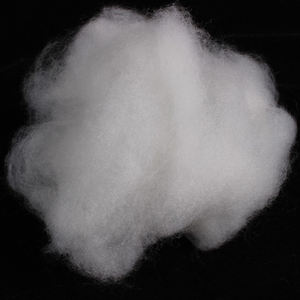
5 FAQs of Concrete Additive Wood Cellulose Fiber Improve The Crack Resistance of Concrete
Frequently Asked Questions About Wood Cellulose Fiber for Concrete
What is wood cellulose fiber?
Wood cellulose fiber is a natural additive made from processed wood pulp. It is mixed into concrete to help reduce cracking. The fibers are very fine and spread evenly through the mix.
How does it improve crack resistance?
Lè beton sèch, li ratresi. This shrinkage often causes small cracks. Wood cellulose fibers hold the concrete together during this process. They create a network inside the mix that slows down crack formation. This makes the surface stronger and more uniform.
Is it easy to use in regular concrete mixes?
Wi. You can add wood cellulose fiber directly to the mixer with other ingredients. Pa gen zouti espesyal oswa etap ki nesesè. Just follow the recommended dosage on the product label. The fiber blends well and does not clump if mixed properly.
Èske li afekte fòs konkrè?
It does not lower compressive strength. An reyalite, it helps maintain overall integrity by controlling early-age cracks. The main benefit is better resistance to surface cracking, not higher load-bearing capacity. Pou fòs estriktirèl, other reinforcements like steel rebar are still needed.
Can it replace synthetic fibers?
It can be used instead of some synthetic fibers, especially where natural materials are preferred. Wood cellulose fiber works well for reducing plastic shrinkage cracks. Sepandan, for heavy-duty applications, synthetic or steel fibers might offer more durability. Choose based on your project’s needs and environmental goals.
DEMANDE YON PREVO
PWODWI ki gen rapò
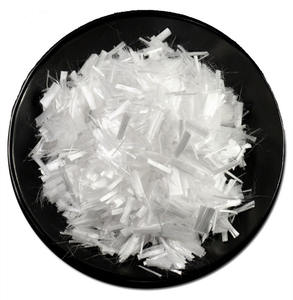
Konkrè aditif seluloz fib konkrè pou amelyore rezistans krak nan konkrè

PP konkrè fib pou ranfòsman siman

Sentetik Wave Macro Concrete Fib Monofilaman Polypropylène PP Fib pou Shotcrete Concrete
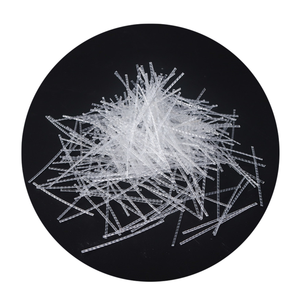
Ranfòse Bundle Polypropylène Macro PP Fib konkrè pou konkrè
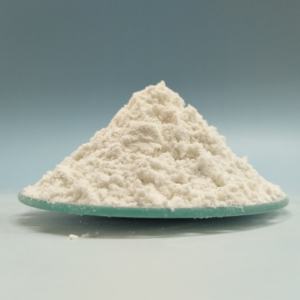
Building Material Cement Composites Fiber Reinforced Cement Concrete Mortar Self Leveling Cement
