


Te mau tao'a tahi mâmâ | Te mau rave'a haaparareraa parau teitei no te cellular concrete


TE MAU PARAMETERS
Tuʻaroʻa
Overview of Concrete Additive Wood Cellulose Fiber Improve The Crack Resistance of Concrete
No te pato'iraa rahi, te horo'a nei matou i te mau hu'ahu'a Steel, te hoê monoraa maitai roa no te mau uira arapoa i ni'a i te tahua fare hamaniraa tauihaa e te mau hu'ahu'a. Te horoa atoa nei matou i te mau hu'ahu'a Synthetic taa ê o te horoa i te puai rahi no te mau faaohiparaa fifi. E parare hoê â teie mau hu'ahu'a i roto i te amuiraa sima, te haamauraa i te hoê faanahoraa haapuairaa rahi o te ore e nehenehe e ravehia e te mau rave'a anamua. Na teie faanahoraa taa ê e faaohie i te paturaa, haavitiviti te tuuraa, e te haamaitai i te taiva ore e te oraraa roa o te raima, Te horo'araa i te hoê pahonoraa apî i te mau fifi o te mau fifi tahito e te mau fifi.
Features of Concrete Additive Wood Cellulose Fiber Improve The Crack Resistance of Concrete
1. Te faatereraa hau a'e e te vai - maitai - raa:
Te huru matamua o to tatou mau hu'ahu'a, o to ratou ïa aravihi no te faatumu i ni'a i te mau hu'ahu'a iti e tupu mai i roto i te huru hu'ahu'a e te mau hu'ahu'a rahi a'e i roto i te raima. E faatupu teie purara e toru ahu i te hoê matrix taa ê a'e o te pato'i i te parareraa o te mau hu'ahu'a. Te maitai ti'a'tu, o te hoê ïa faaitiraa rahi i te mau hu'ahu'a hu'ahu'a e te rahi o te hu'ahu'a. E faatupu te reira i te hoê raima papû a'e e te iti a'e o te permeability, o te faarahi ïa i te aravihi no te patoi i te pape, Te faainoraa, e te vavahiraa o te mau fetia atoa. Te faahopearaa, o te hoê ïa haamauraa e oraraa taviniraa roa a'e e te haamau'araa iti a'e.
2. Te faarahiraa o te mau faahopearaa e te patoiraa i te abrasion:
Te mau hu'ahu'a, i te pae iho â râ o te mau hu'ahu'a macro e te mau hu'ahu'a macro, ia haamaitai rahi i te etaeta o te raima e te ha'utiraa i muri mai i te reira. E huti ratou e e opere ratou i te ito i muri a'e i te mau faahopearaa aore ra te mau hopoia. E horoa teie huru i te maitai o te hoê mata etaeta a'e o te ore e nehenehe e vavahi, chipping, e te vavahiraa i raro a'e i te pereoo uira rahi aore ra i te mau ahu matini. E tuhaa faufaa roa teie no te mau tahua hamaniraa tauihaa, Te mau purumu no te fare vairaa tauihaa, e te mau opuaraa paturaa, e arata'i atu i ni'a i te hoê vahi etaeta a'e o te tape'a i to'na haapa'o maitai i te roaraa o te taime.
3. Te aravihi no te paturaa i te fare e te haaputuputuraa moni:
Te hoê tuhaa rahi o te faaohiparaa i te mau hu'ahu'a, o te faaoreraa ïa i te mau arapoa (WWF) i roto i te mau faaohiparaa e rave rahi. E horo'a te reira i te mau maitai rahi i ni'a i te tahua itenati: te faaohie nei te reira i te tuuraa, no te mea ho'i e, aita e upe'a no te haamau e aore râ, no te faaru'e, e te haavitiviti te reira i te taatoaraa o te ohipa paturaa. Na roto i te iritiraa i te hoê taahiraa ohipa rahi, Te ite nei te mau opuaraa i te mau haamâu'araa no te ohipa e te mau taime vitiviti a'e. Te haapapu atoa ra te tufaraa hoê â o te mau hu'ahu'a i te hoê haapuairaa tamau i roto i te tuhaa raima taatoa, taa ê atu i te mesh, o te nehenehe e tuuhia i nia i te vahi tano ore, e arata'i atu i te hoê ha'utiraa e ti'aturihia a'e e e nehenehe e tohuhia.

Specification of Concrete Additive Wood Cellulose Fiber Improve The Crack Resistance of Concrete
Wood Cellulose Fiber for Concrete– Boost Crack Resistance Normally
Eaha te reira
This additive is made from natural timber cellulose fibers. E mea maitai roa te mau hu'ahu'a, rauu, and evenly sized. They blend easily right into concrete throughout batching. Aita e mau mauhaa otahi e titauhia.
Nahea te reira e ohipa ai
Ia horoahia te reira i te simeni, the fibers spread throughout the mix. They develop a network inside the hardened material. This network holds the concrete together when stress develops. Tiny cracks often begin early in curing. The fibers stop these fractures from expanding bigger. They also reduce shrinkage that occurs as concrete dries.
Te mau maitai rahi
Better crack control: Concrete keeps more undamaged over time. Surface splits show up less often.
Less complicated to position: The fibers do not clump or round up. They move smoothly with the mix.
Natural and risk-free: Made from sustainable timber sources. Paruru e te matie.
Faahou-maitai-hia: E mea titauhia te hoê faito iti– I te 'āmui 0.5 a 1.0 kg i te metera cubic o te raima.
Te vahi e faaohipa ' i i te reira
Utilize this fiber in pieces, te mau purumu, Te mau tapo'iraa, shotcrete, e te mau huru. It works well in domestic, Faʻahana, e te mau ohipa tapihooraa. Perfect for any kind of application where surface cracking is an issue.
How to Mix
Include the fibers during the preliminary mixing phase. A anoi no te hoê iti roa e 3– 5 mins after adding water. This makes sure even circulation. Standard concrete procedures still use– no adjustments to water material or healing approaches are required.
Te tape'araa e te faatereraa
Keep bags secured and store in a dry place. Avoid direct exposure to dampness prior to usage. The item has a shelf life of one year if kept properly. Constantly adhere to safety guidelines when handling building products.

Applications of Concrete Additive Wood Cellulose Fiber Improve The Crack Resistance of Concrete
Increase Concrete Toughness with Wood Cellulose Fiber
Why Add Timber Cellulose Fiber to Concrete?
Concrete cracks quickly as it dries and diminishes. This is an usual trouble in building. Adding timber cellulose fiber helps reduce these cracks. The fibers mix evenly right into the concrete. They hold the product with each other when stress accumulates.
Wood cellulose fiber comes from natural timber pulp. E mea paruruhia, auhoa i te mau mea e haaati ra ia tatou, and works well in cement-based blends. Ia horoahia te reira i te simeni, the small fibers spread out via the mix. They develop a network that holds the concrete together. This network decreases crack development and keeps small cracks from becoming worse.
Exactly how It Works on Website
Building contractors add the fiber during blending. No unique tools or steps are needed. The fiber assimilates similar to sand or gravel. I muri noa ' ' e i te mau tao'a tahi, the fibers remain inside. They act like little supports. Despite the fact that they are not as strong as steel, they control early drying out splits far better than ordinary concrete.
This makes wood cellulose fiber suitable for pieces, e'a, Te mau e'a pereoo, and other flatwork. These areas typically split as a result of weather modifications and ground movement. With fiber within, the surface remains smoother much longer. Repairs come to be much less constant. Upkeep prices drop over time.
Te mau maitai o te haavarevare, o te:
– Less splitting during treating
– Enhanced surface area durability
– Much better resistance to shrinkage
– Easy to make use of with common approaches
The fiber does not change just how concrete appearances. It likewise does not affect stamina tests or setting time in an adverse way. Lots of service providers now select it as a simple, affordable way to construct more reputable structures.
Horo'araa parau no te Taiete
Aroha mai ki te Concrete e te tahi atu â, te hoê taata horo'a rahi no te mau rave'a haaparareraa parau teitei, e tae noa'tu i ta tatou mau rave'a faaiti pape. Te mau matahiti ite i roto i te matete o te ao nei, te horo'a nei matou i te mau rave'a aravihi no te haamaitai i te huru e te aravihi o te mau opuaraa paturaa na te ao nei. Te haapapu nei ta tatou mau fare hamaniraa tauihaa apî roa a'e i te mau tao'a maitai roa a'e o te tu'ati i te mau titauraa a te ao nei. Te oaoa nei matou i te taviniraa faahiahia roa a te feia hoo, patururaa i te pae no te rave'a aravihi, e te mau rave'a faatitiaifaroraa no te pahono i te mau hinaaro taa ê o te opuaraa. A amui atu ia matou no te ti'aturi, faaapî, e te mau rave'a haamau'araa moni ore o te arata'i i ta outou mau opuaraa i mua. A hi'o hau atu â i ni'a i te www.. E patu amui tatou i te tau no a muri a'e!
Mai te mea e uiuiraa ta outou, Aita e feaaraa ia farerei ia matou.
Te mau rave'a aufau
T/T, Tooa o te râ, Paypal, Tareta tarahu etc.
Te mau rave'a no te tono
Na roto i te reva, na te moana, na roto i te faaiteraa, mai ta te feia hoo tao'a e ani ra.
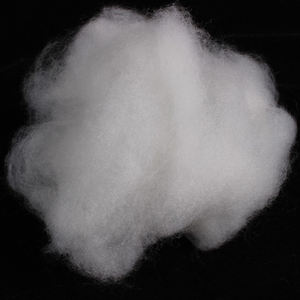
5 FAQs of Concrete Additive Wood Cellulose Fiber Improve The Crack Resistance of Concrete
Frequently Asked Questions About Wood Cellulose Fiber for Concrete
What is wood cellulose fiber?
Wood cellulose fiber is a natural additive made from processed wood pulp. It is mixed into concrete to help reduce cracking. The fibers are very fine and spread evenly through the mix.
Nafea te reira ia haamaitai i te patoiraa i te mau hu'ahu'a?
Ia maro ana'e te simeni, e iti mai te reira. This shrinkage often causes small cracks. Wood cellulose fibers hold the concrete together during this process. They create a network inside the mix that slows down crack formation. This makes the surface stronger and more uniform.
Is it easy to use in regular concrete mixes?
ae. You can add wood cellulose fiber directly to the mixer with other ingredients. Aita e titauhia te mau ravea aore ra te mau taahiraa avae taa ê. A pee noa i te faito i faataahia i nia i te tapao o te tao'a. The fiber blends well and does not clump if mixed properly.
Does it affect the strength of concrete?
Eita te reira e faaiti i te puai o te compression. I roto i te fa'ahou, it helps maintain overall integrity by controlling early-age cracks. The main benefit is better resistance to surface cracking, not higher load-bearing capacity. For structural strength, other reinforcements like steel rebar are still needed.
Can it replace synthetic fibers?
It can be used instead of some synthetic fibers, especially where natural materials are preferred. Wood cellulose fiber works well for reducing plastic shrinkage cracks. Āre'a, for heavy-duty applications, synthetic or steel fibers might offer more durability. Choose based on your project’s needs and environmental goals.
A TINIRAA I TE HOÊ PARAU
TE MAU HOPO'A FAATAA
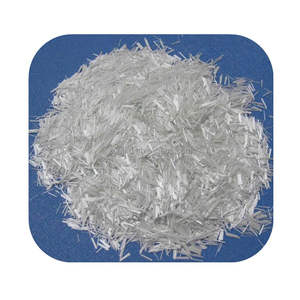
Te mau hu'ahu'a ti'a teitei monofilament tei faaohipahia no te haapuai i te ti'a no te paturaa i te tahua
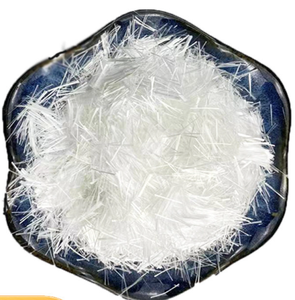
Te mau hu'ahu'a polypropylene uouo no te pato'iraa i te mau hu'ahu'a
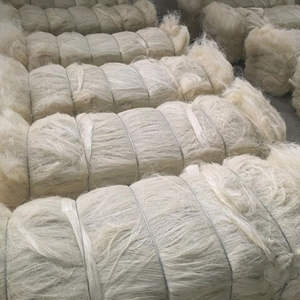
Te ha'utiraa teitei 100 Te faito i ni'a i te hanere o te mau hu'ahu'a ti'a no te haamauraa i te ti'a
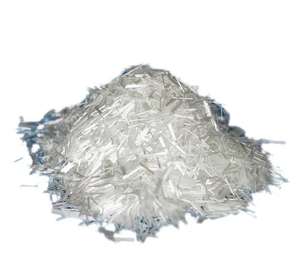
Te mau hu'ahu'a sima 6mm PP no te patu sima
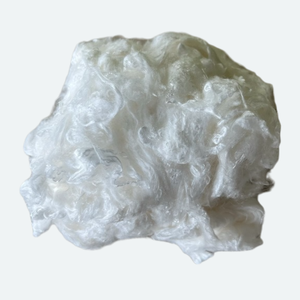
Te mau tao'a paturaa sima o te mau hu'ahu'a sima PVA no te tapo'i i te fare
