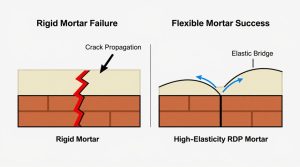
Li-additives tsa Konkreite tse bobebe | Li-Agents tse Foaming tse Phahameng ka ho Fetisisa bakeng sa Konkreite ea Cellular


LITLHAKISO TSA LITŠOANTŠISO
Tlhaloso
Overview of Concrete Additive Wood Cellulose Fiber Improve The Crack Resistance of Concrete
Bakeng sa khanyetso e phahameng, re fana ka Steel Fibers, sebaka se loketseng bakeng sa letlooeng la terata le cheselitsoeng mekatong ea liindasteri le lintho tse entsoeng esale pele. Re boetse re fana ka li-Structural Synthetic Fibers tse khethehileng tse fanang ka matla a phahameng a ts'ebetso bakeng sa lits'ebetso tse batloang haholo. Likhoele tsena li hasane ka mokhoa o ts'oanang ho pholletsa le motsoako oa konkreite, ho theha marang-rang a matlafatso a mahlakore a mangata ao mekhoa ea setso e ke keng ea e finyella. Mokhoa ona o kopaneng o nolofatsa kaho, potlakisa ho beha, le ho matlafatsa botšepehi bo akaretsang le bophelo bo bolelele ba konkreite, ho fana ka karabo ea sejoale-joale ho mathata a khale a ho petsoha le ho tšoarella.
Features of Concrete Additive Wood Cellulose Fiber Improve The Crack Resistance of Concrete
1. Taolo e Phahameng ea Crack le Matla a Matlafalitsoeng:
Ntho ea mantlha ea likhoele tsa rona ke bokhoni ba bona ba ho koala mapetso a manyane a hlahang nakong ea polasetiki le mapetsong a maholo a konkreite e thata.. Phatlalatso ena ea mahlakore a mararo e theha matrix e momahaneng haholoanyane e hananang le phatlalatso ea crack. Melemo e tobileng ke ho fokotseha ho hoholo ha ho phunyeha ha polasetiki ka bobeli le bophara ba nako e telele. Sena se lebisa ho konkreite e tšoarellang haholo e nang le matla a tlase, seo ka sona se matlafatsang kganetso ya metsi a kenang, tshenyo ya ho qhoqhoa, le ho bola ha tšepe efe kapa efe e kentsoeng. Sephetho ke sebopeho se nang le nako e telele ea tšebeletso le litšenyehelo tse fokolitsoeng tsa tlhokomelo.
2. Keketseho ea Tšusumetso le Khahlano ea Abrasion:
Likhoele, haholo-holo tšepe le li-macro fibers tse matla tsa maiketsetso, ntlafatsa haholo ho tiea ha konkreite le ts'ebetso ea kamora ho phatloha. Li monya le ho aba matla ha li ama kapa ha li laeloa. Tšobotsi ena e fana ka molemo oa sebaka se tsitsitseng haholoanyane se sa rateheng ho spalling, ho qhetsola, le abrasion tlas'a sephethephethe se seholo kapa moaparo oa mochini. Ena ke monyetla oa bohlokoa bakeng sa mekato ea indasteri, litselana tsa polokelo, le diporojeke tsa mafaratlhatlha, e lebisang sebakeng se apereng ka thata haholo se bolokang botshepehi ka nako.
3. Sebetsa sa Kaho le Poloko ea Litšenyehelo:
Tšobotsi ea bohlokoa ea ho sebelisa fiber reinforcement ke ho felisoa ha letlooeng le cheselitsoeng (WWF) lits'ebetsong tse ngata. Sena se fana ka melemo e mengata sebakeng sa marang-rang: e nolofatsa ho beha, kaha ha ho na mesh e lokelang ho hlongoa kapa e ka tlosoang, mme e akofisa tshebetso yohle ya kaho. Ka ho tlosa mohato o boima oa mosebetsi, merero e bona litšenyehelo tse fokotsehileng tsa basebetsi le linako tse potlakileng tsa merero. Kabo e tšoanang ea likhoele e boetse e tiisa matlafatso e tsitsitseng ho pholletsa le karolo eohle ea konkreite, ho fapana le letlooeng, e ka bewang ka tsela e sa lokang, se lebisang tshebetsong e tshepehang le e lebelloang.

Specification of Concrete Additive Wood Cellulose Fiber Improve The Crack Resistance of Concrete
Wood Cellulose Fiber for Concrete– Boost Crack Resistance Normally
Seo E leng sona
This additive is made from natural timber cellulose fibers. Li-fibers li kholo, hloekile, and evenly sized. They blend easily right into concrete throughout batching. Ha ho lisebelisoa tse ikhethang tse hlokahalang.
Kamoo E Sebetsang Kateng
When contributed to concrete, the fibers spread throughout the mix. They develop a network inside the hardened material. This network holds the concrete together when stress develops. Tiny cracks often begin early in curing. The fibers stop these fractures from expanding bigger. They also reduce shrinkage that occurs as concrete dries.
Melemo ea Bohlokoa
Taolo e ntle ea crack: Concrete keeps more undamaged over time. Surface splits show up less often.
Less complicated to position: The fibers do not clump or round up. They move smoothly with the mix.
Natural and risk-free: Made from sustainable timber sources. Safe and green.
E boloka chelete: Ho hlokahala tekanyo e tlase– ka kakaretso 0.5 ho 1.0 lik'hilograma ka mithara ea konkreite.
Moo U ka E Sebelisang
Utilize this fiber in pieces, litselana tsa maoto, likoahelo, shotcrete, le likarolo tse boletsoeng esale pele. It works well in domestic, khoebo, and commercial tasks. Perfect for any kind of application where surface cracking is an issue.
How to Mix
Include the fibers during the preliminary mixing phase. Kopanya bonyane 3– 5 mins after adding water. This makes sure even circulation. Standard concrete procedures still use– no adjustments to water material or healing approaches are required.
Polokelo le Ho Tšoara
Keep bags secured and store in a dry place. Avoid direct exposure to dampness prior to usage. The item has a shelf life of one year if kept properly. Constantly adhere to safety guidelines when handling building products.

Applications of Concrete Additive Wood Cellulose Fiber Improve The Crack Resistance of Concrete
Increase Concrete Toughness with Wood Cellulose Fiber
Why Add Timber Cellulose Fiber to Concrete?
Concrete cracks quickly as it dries and diminishes. This is an usual trouble in building. Adding timber cellulose fiber helps reduce these cracks. The fibers mix evenly right into the concrete. They hold the product with each other when stress accumulates.
Wood cellulose fiber comes from natural timber pulp. E bolokehile, e baballang tikoloho, and works well in cement-based blends. When contributed to concrete, the small fibers spread out via the mix. They develop a network that holds the concrete together. This network decreases crack development and keeps small cracks from becoming worse.
Exactly how It Works on Website
Building contractors add the fiber during blending. Ha ho lisebelisoa tse ikhethang kapa mehato e hlokahalang. The fiber assimilates similar to sand or gravel. Hang ha likoleke tsa konkreite, the fibers remain inside. They act like little supports. Despite the fact that they are not as strong as steel, they control early drying out splits far better than ordinary concrete.
This makes wood cellulose fiber suitable for pieces, litselana, litsela tsa ho khanna, and other flatwork. These areas typically split as a result of weather modifications and ground movement. With fiber within, the surface remains smoother much longer. Repairs come to be much less constant. Upkeep prices drop over time.
Melemo ea bolotsana e na le:
– Less splitting during treating
– Enhanced surface area durability
– Much better resistance to shrinkage
– Easy to make use of with common approaches
The fiber does not change just how concrete appearances. It likewise does not affect stamina tests or setting time in an adverse way. Lots of service providers now select it as a simple, affordable way to construct more reputable structures.
Kenyelletso ea Khampani
Rea u amohela ho Concrete le Tse ling, mofani ea ka sehloohong oa li-admixtures tsa konkreite tse sebetsang hantle, ho kenyelletsa le lisebelisoa tsa rona tse fokotsang metsi tsa konkreite. Ka phihlelo ea lilemo tse ngata 'marakeng oa lefatše, re fana ka litharollo tse tsoetseng pele tse etselitsoeng ho ntlafatsa boleng le katleho ea merero ea kaho lefatšeng ka bophara. Mehaho ea rona ea morao-rao ea tlhahiso ea lihlahisoa e netefatsa lihlahisoa tsa boleng bo holimo tse finyellang litekanyetso tsa machaba. Re motlotlo ka tšebeletso e ikhethang ea bareki, tšehetso ea tekheniki, le litharollo tse lokiselitsoeng ho fihlela litlhoko tse khethehileng tsa morero. Kopana le rona bakeng sa ho tšepahala, boiqapelo, le li-admixtures tsa konkreite tse theko e boima tse tsamaisang merero ea hau pele. Ithute haholoanyane ho www.concreteandmore.de/. Ha re aheng bokamoso hammoho!
Haeba u na le lipotso, ka kopo ikutloe u lokolohile ho ikopanya le rona.
Mekhoa ea Tefo
T/T, phetiso ea chelete e bitsoang western union, Paypal, Credit Card etc.
Mekhoa ea ho Romela
Ka moea, ka leoatle, ka Express, joalo ka ha bareki ba kopa.
5 FAQs of Concrete Additive Wood Cellulose Fiber Improve The Crack Resistance of Concrete
Frequently Asked Questions About Wood Cellulose Fiber for Concrete
What is wood cellulose fiber?
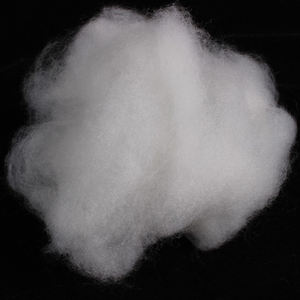
Wood cellulose fiber is a natural additive made from processed wood pulp. It is mixed into concrete to help reduce cracking. The fibers are very fine and spread evenly through the mix.
E ntlafatsa joang ho hanyetsa crack?
Ha konkreite e omella, ea honyela. This shrinkage often causes small cracks. Wood cellulose fibers hold the concrete together during this process. They create a network inside the mix that slows down crack formation. This makes the surface stronger and more uniform.
Is it easy to use in regular concrete mixes?
Ee. You can add wood cellulose fiber directly to the mixer with other ingredients. Ha ho lisebelisoa tse khethehileng kapa mehato e hlokahalang. Latela feela tekanyo e khothalletsoang ho leibole ea sehlahisoa. The fiber blends well and does not clump if mixed properly.
Na e ama matla a konkreite?
Ha e theole matla a khatello. Haele hantle, it helps maintain overall integrity by controlling early-age cracks. The main benefit is better resistance to surface cracking, not higher load-bearing capacity. Bakeng sa matla a sebopeho, other reinforcements like steel rebar are still needed.
Can it replace synthetic fibers?
It can be used instead of some synthetic fibers, especially where natural materials are preferred. Wood cellulose fiber works well for reducing plastic shrinkage cracks. Leha ho le joalo, for heavy-duty applications, synthetic or steel fibers might offer more durability. Choose based on your project’s needs and environmental goals.
KOPO KHOPO
LIHLAHISO TSE HLAHANG

500Mpa Synthetic Polypropylene Staple Fiber Macro Concrete Fibers PP Fiber bakeng sa Concrete
Ar Glass Fiber Roving Fiberglass 2400tex bakeng sa Spray up Concrete
Samente ea Kaho e Matlafatsa Fiber ea Konkreite ea Micro Steel bakeng sa Konkreite

Sebōpi se Molemo ka ho Fetisisa sa Ceramic Fiber 300kg ka Cubic Meter High Mocheso o Phahameng oa Ceramic Fiber Board Insulation

Metsi a Fiberglass Mat 300 350 400 Fiberglass Surface Tissue Mat bakeng sa FRP