


Lightweight Nja Additives | Awọn aṣoju Fọmu Iṣe-giga fun Nja Cellular


Ọja parameters
Apejuwe
Overview of Concrete Additive Wood Cellulose Fiber Improve The Crack Resistance of Concrete
Fun ga-ipa resistance, ti a nse Irin Awọn okun, rirọpo pipe fun apapo okun waya welded ni awọn ilẹ ipakà ile-iṣẹ ati awọn eroja ti a ti sọ tẹlẹ. A tun pese awọn Fibers Sintetiki Igbekale pataki ti o funni ni agbara fifẹ giga fun awọn ohun elo ibeere. Awọn wọnyi ni awọn okun ti wa ni iṣọkan tuka jakejado nja illa, ṣiṣẹda nẹtiwọọki imuduro onisẹpo pupọ ti awọn ọna ibile ko le ṣaṣeyọri. Yi ese ona simplifies ikole, accelerates placement, ati ki o mu awọn ìwò iyege ati longevity ti awọn nja, pese idahun ode oni si jija ti ọjọ-ori ati awọn italaya agbara.
Features of Concrete Additive Wood Cellulose Fiber Improve The Crack Resistance of Concrete
1. Iṣakoso Crack ti o ga julọ ati Imudara Imudara:
Ẹya akọkọ ti awọn okun wa ni agbara wọn lati ṣe afara mejeeji awọn dojuijako micro-cracks ti o dagba lakoko ipo ṣiṣu ati awọn dojuijako nla ni kọnkiti lile.. Pipin onisẹpo onisẹpo mẹta yii ṣẹda matrix isokan diẹ sii ti o tako itankale kiraki. Anfaani taara jẹ idinku pataki ninu jija ṣiṣu isunki mejeeji ati iwọn kiraki igba pipẹ. Eleyi nyorisi kan Elo diẹ ti o tọ nja pẹlu kekere permeability, eyi ti o ni Tan mu resistance si omi ingress, di-thaw bibajẹ, ati ipata ti eyikeyi ifibọ irin. Abajade jẹ eto pẹlu igbesi aye iṣẹ to gun ati awọn idiyele itọju dinku.
2. Ikolu ti o pọ si ati Resistance Abrasion:
Awọn okun, paapa irin ati ki o logan sintetiki Makiro awọn okun, bosipo mu awọn nja ká toughness ati ranse si-crack iṣẹ. Wọn fa ati pinpin agbara lori ipa tabi ikojọpọ. Ẹya ara ẹrọ yii n pese anfani ti aaye ti o ni atunṣe diẹ sii ti o kere si itọpa, chipping, ati abrasion labẹ eru ijabọ tabi darí yiya. Eyi jẹ anfani pataki fun awọn ilẹ ipakà ile-iṣẹ, ile ise pavements, ati amayederun ise agbese, ti o yori si aaye ti o ni wiwọ lile ti o ṣetọju iduroṣinṣin rẹ ni akoko pupọ.
3. Ṣiṣe Ikole ati Awọn ifowopamọ iye owo:
Ẹya bọtini kan ti lilo imuduro okun ni imukuro ti apapo waya welded (WWF) ni ọpọlọpọ awọn ohun elo. Eyi pese awọn anfani nla lori aaye: o simplifies placement, bi ko si apapo lati wa ni ṣeto soke tabi oyi nipo, ati awọn ti o accelerates gbogbo ikole ilana. Nipa yiyọ igbese-lekoko kan laala, ise agbese wo dinku laala owo ati yiyara ise agbese timelines. Pipin iṣọkan ti awọn okun tun ṣe idaniloju imuduro ibamu jakejado gbogbo apakan nja, ko apapo, eyi ti o le wa ni aibojumu gbe, yori si siwaju sii gbẹkẹle ati ki o asọtẹlẹ išẹ.

Specification of Concrete Additive Wood Cellulose Fiber Improve The Crack Resistance of Concrete
Wood Cellulose Fiber for Concrete– Boost Crack Resistance Normally
Kini O Jẹ
This additive is made from natural timber cellulose fibers. Awọn okun jẹ nla, mọ, and evenly sized. They blend easily right into concrete throughout batching. Ko si ohun elo alailẹgbẹ ti a nilo.
Bawo ni O Ṣiṣẹ
Nigba ti idasi si nja, the fibers spread throughout the mix. They develop a network inside the hardened material. This network holds the concrete together when stress develops. Tiny cracks often begin early in curing. The fibers stop these fractures from expanding bigger. They also reduce shrinkage that occurs as concrete dries.
Awọn anfani bọtini
Dara kiraki Iṣakoso: Concrete keeps more undamaged over time. Surface splits show up less often.
Less complicated to position: The fibers do not clump or round up. They move smoothly with the mix.
Natural and risk-free: Made from sustainable timber sources. Safe and green.
Iye owo-doko: Iwọn iwọn kekere nilo– ni gbogbogbo 0.5 si 1.0 kg fun mita onigun ti nja.
Ibi ti Lati Lo O
Utilize this fiber in pieces, awọn ọna opopona, overlays, shotcrete, ati precast aaye. It works well in domestic, iṣowo, ati awọn iṣẹ-ṣiṣe iṣowo. Perfect for any kind of application where surface cracking is an issue.
How to Mix
Include the fibers during the preliminary mixing phase. Darapọ fun o kere ju 3– 5 mins after adding water. This makes sure even circulation. Standard concrete procedures still use– no adjustments to water material or healing approaches are required.
Ibi ipamọ ati mimu
Keep bags secured and store in a dry place. Avoid direct exposure to dampness prior to usage. The item has a shelf life of one year if kept properly. Constantly adhere to safety guidelines when handling building products.

Applications of Concrete Additive Wood Cellulose Fiber Improve The Crack Resistance of Concrete
Increase Concrete Toughness with Wood Cellulose Fiber
Why Add Timber Cellulose Fiber to Concrete?
Concrete cracks quickly as it dries and diminishes. This is an usual trouble in building. Adding timber cellulose fiber helps reduce these cracks. The fibers mix evenly right into the concrete. They hold the product with each other when stress accumulates.
Wood cellulose fiber comes from natural timber pulp. O jẹ ailewu, ore ayika, and works well in cement-based blends. Nigba ti idasi si nja, the small fibers spread out via the mix. They develop a network that holds the concrete together. This network decreases crack development and keeps small cracks from becoming worse.
Exactly how It Works on Website
Building contractors add the fiber during blending. No unique tools or steps are needed. The fiber assimilates similar to sand or gravel. As soon as the concrete collections, the fibers remain inside. They act like little supports. Despite the fact that they are not as strong as steel, they control early drying out splits far better than ordinary concrete.
This makes wood cellulose fiber suitable for pieces, awọn ipa ọna, awọn ọna opopona, and other flatwork. These areas typically split as a result of weather modifications and ground movement. With fiber within, the surface remains smoother much longer. Repairs come to be much less constant. Upkeep prices drop over time.
Trick advantages consist of:
– Less splitting during treating
– Enhanced surface area durability
– Much better resistance to shrinkage
– Easy to make use of with common approaches
The fiber does not change just how concrete appearances. It likewise does not affect stamina tests or setting time in an adverse way. Lots of service providers now select it as a simple, affordable way to construct more reputable structures.
Ile-iṣẹ Ifihan
Kaabo si Nja ati Die e sii, a asiwaju olupese ti ga-išẹ nja admixtures, pẹlu wa Ere nja omi idinku. Pẹlu awọn ọdun ti iriri ni ọja agbaye, ti a nse to ti ni ilọsiwaju solusan še lati mu awọn didara ati ṣiṣe ti ikole ise agbese agbaye. Awọn ile-iṣẹ iṣelọpọ ipo-ti-aworan wa ni idaniloju awọn ọja ti o ga julọ ti o ni ibamu pẹlu awọn iṣedede agbaye. A igberaga ara wa lori exceptional onibara iṣẹ, oluranlowo lati tun nkan se, ati awọn solusan ti a ṣe deede lati pade awọn iwulo iṣẹ akanṣe. Ṣe alabaṣepọ pẹlu wa fun igbẹkẹle, aseyori, ati iye owo-doko nja admixtures ti o wakọ rẹ ise agbese siwaju. Ṣawari diẹ sii ni www.concreteandmore.de/. Jẹ ki a kọ ọjọ iwaju papọ!
Ti o ba ni ibeere eyikeyi, jọwọ lero free lati kan si wa.
Awọn ọna isanwo
T/T, Western Union, Paypal, Kaadi Kirẹditi ati bẹbẹ lọ.
Awọn ọna gbigbe
Nipa afẹfẹ, nipa okun, nipa kiakia, bi awọn onibara beere.
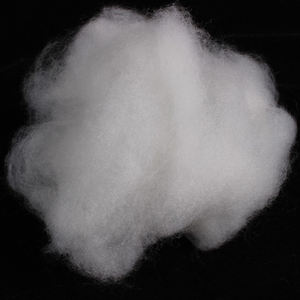
5 FAQs of Concrete Additive Wood Cellulose Fiber Improve The Crack Resistance of Concrete
Frequently Asked Questions About Wood Cellulose Fiber for Concrete
What is wood cellulose fiber?
Wood cellulose fiber is a natural additive made from processed wood pulp. It is mixed into concrete to help reduce cracking. The fibers are very fine and spread evenly through the mix.
Bawo ni o mu kiraki resistance?
Nigbati nja ba gbẹ, o isunki. This shrinkage often causes small cracks. Wood cellulose fibers hold the concrete together during this process. They create a network inside the mix that slows down crack formation. This makes the surface stronger and more uniform.
Ṣe o rọrun lati lo ni awọn apopọ nja deede?
Bẹẹni. You can add wood cellulose fiber directly to the mixer with other ingredients. Ko si awọn irinṣẹ pataki tabi awọn igbesẹ ti o nilo. Kan tẹle iwọn lilo iṣeduro lori aami ọja naa. The fiber blends well and does not clump if mixed properly.
Ṣe o ni ipa lori agbara ti nja?
Ko dinku agbara titẹ. Ni pato, it helps maintain overall integrity by controlling early-age cracks. The main benefit is better resistance to surface cracking, not higher load-bearing capacity. Fun agbara igbekale, other reinforcements like steel rebar are still needed.
Can it replace synthetic fibers?
It can be used instead of some synthetic fibers, especially where natural materials are preferred. Wood cellulose fiber works well for reducing plastic shrinkage cracks. Sibẹsibẹ, for heavy-duty applications, synthetic or steel fibers might offer more durability. Choose based on your project’s needs and environmental goals.
BERE ORO
Awọn ọja ti o jọmọ
Agbara Erogba Nja Fiber 450g Triaxial Carbon Fiber fun Atunṣe Nja
Agbara giga basalt okun apapo irin igi fun imuduro nja
Basalt 3D Fiber Mesh Fun Ikọle Panels Nja ni Odi
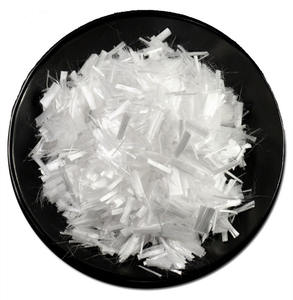
8mm High Temperature Polyester Polymer Synthetic Concrete Fiber for Concrete Building Materials
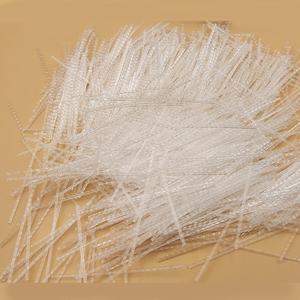
Agbara Fifẹ giga Micro Steel Concrete Fiber Glued Hooked Ipari Irin Fiber fun Awọn iṣelọpọ Nja
