


Nga Whakapiri Raima Maamaa | Nga Kaipupuhi Hukarere Mahinga Nui mo te Raima Pukoro


NGA TAATA HUA
Whakaahuatanga
Overview of Concrete Additive Wood Cellulose Fiber Improve The Crack Resistance of Concrete
Mo te parenga-nui, ka whakaekea e matou nga muka maitai, he whakakapinga pai mo te waea waea paiherea i roto i nga papa ahumahi me nga waahanga o mua. Ka whakaratohia ano hoki e matou nga muka Hanganga Hanganga motuhake e tuku ana i te kaha kaha mo te tono tono.. Ka marara rite enei muka puta noa i te ranunga raima, te hanga i te kupenga whakakaha-maha e kore e taea e nga tikanga tuku iho. Ko tenei huarahi whakauru ka ngawari te hanga, ka whakatere i te whakanohonga, me te whakanui ake i te pono me te roa o te raima, he whakautu hou mo nga wero tawhito me te mauroa.
Features of Concrete Additive Wood Cellulose Fiber Improve The Crack Resistance of Concrete
1. Mana Kapiti Kairangi me te Maamaa Whakarei:
Ko te ahuatanga tuatahi o a tatou muka ko to raatau kaha ki te hono i nga kapiti moroiti e rua ka puta i te wa o te ahua kirihou me nga kapiti nui atu i roto i te raima whakapakeke.. Ko tenei marara e toru-ahu ka hanga he matrix kaha ake hei aukati i te whakatipu kapiti. Ko te painga tika ko te whakahekenga nui i roto i nga kapiti whakaheke kirihou me te whanui kapiti mo te wa roa. Ka puta tenei ki te raima tino roa ake me te iti o te uruhanga, e whakanui ana i te aukati ki te whakauru wai, te mate huka-rewa, me te waikura o tetahi rino whakauru. Ko te hua ko te hanganga me te roa o te oranga ratonga me te whakaiti i nga utu tiaki.
2. Te Whakanuia o te Paanga me te Atete Abrasion:
Nga muka, ina koa te rino me nga muka tonotono waihanga pakari, te whakapai ake i te pakari o te raima me te mahi i muri i te kapiti. Ka mimiti, ka tohatoha i te kaha i runga i te paanga, te uta ranei. Ko tenei ahuatanga e whakarato ana i te painga o te mata kaha ake ka iti ake te waahi ki te pakaru, maramara, me te abrasion i raro i nga waka taumaha me nga kakahu miihini. He painga nui tenei mo nga papa ahumahi, nga papahanga whare putunga, me nga kaupapa hanganga, e arai ana ki te mata pakeke ake e mau tonu ana tona tapatahi i roto i te waa.
3. Te Mahi Hanga me te Tiaki Utu:
Ko tetahi ahuatanga nui o te whakamahi i te whakakaha muka ko te whakakore i nga waea waea paiherea (WWF) i roto i nga tono maha. Ka whakarato tenei i nga painga nui i runga i te waahi: he whakangawari te whakatakotoranga, i te mea karekau he mata hei whakatu, ka nukuhia ranei, a ka whakatere i te katoa o nga mahi hanga. Na roto i te tango i tetahi mahi mahi, ka kite nga kaupapa i te hekenga o nga utu mo nga kaimahi me te tere ake o nga waahi kaupapa. Ko te tohatoha rite o nga muka ka whakarite kia rite tonu te whakakaha puta noa i te waahanga raima katoa, kaore i rite ki te mata, ka taea te whakanoho hee, ka nui ake te pono me te matapae mahi.

Specification of Concrete Additive Wood Cellulose Fiber Improve The Crack Resistance of Concrete
Wood Cellulose Fiber for Concrete– Boost Crack Resistance Normally
He aha tena
This additive is made from natural timber cellulose fibers. He rawe nga muka, ma, and evenly sized. They blend easily right into concrete throughout batching. Kaore he taputapu ahurei e hiahiatia ana.
Pehea te Mahi
When contributed to concrete, the fibers spread throughout the mix. They develop a network inside the hardened material. This network holds the concrete together when stress develops. Tiny cracks often begin early in curing. The fibers stop these fractures from expanding bigger. They also reduce shrinkage that occurs as concrete dries.
Nga Painga Matua
Better crack control: Concrete keeps more undamaged over time. Surface splits show up less often.
Less complicated to position: The fibers do not clump or round up. They move smoothly with the mix.
Natural and risk-free: Made from sustainable timber sources. He haumaru me te matomato.
Utu-whai hua: Inenga iti e hiahiatia ana– whānui 0.5 ki 1.0 kg ia mita pūtoru o te raima.
Kei hea te whakamahi
Utilize this fiber in pieces, huarahi huarahi, whakakikorua, perehana, me nga waahanga o mua. It works well in domestic, pakihi, me nga mahi arumoni. Perfect for any kind of application where surface cracking is an issue.
How to Mix
Include the fibers during the preliminary mixing phase. Whakaranuhia mo te iti rawa o te 3– 5 mins after adding water. This makes sure even circulation. Standard concrete procedures still use– no adjustments to water material or healing approaches are required.
Te Rokiroki me te Whakahaere
Keep bags secured and store in a dry place. Avoid direct exposure to dampness prior to usage. The item has a shelf life of one year if kept properly. Constantly adhere to safety guidelines when handling building products.

Applications of Concrete Additive Wood Cellulose Fiber Improve The Crack Resistance of Concrete
Increase Concrete Toughness with Wood Cellulose Fiber
Why Add Timber Cellulose Fiber to Concrete?
Concrete cracks quickly as it dries and diminishes. This is an usual trouble in building. Adding timber cellulose fiber helps reduce these cracks. The fibers mix evenly right into the concrete. They hold the product with each other when stress accumulates.
Wood cellulose fiber comes from natural timber pulp. He haumaru, taiao, and works well in cement-based blends. When contributed to concrete, the small fibers spread out via the mix. They develop a network that holds the concrete together. This network decreases crack development and keeps small cracks from becoming worse.
Exactly how It Works on Website
Building contractors add the fiber during blending. No unique tools or steps are needed. The fiber assimilates similar to sand or gravel. Ko nga kohinga raima, the fibers remain inside. They act like little supports. Despite the fact that they are not as strong as steel, they control early drying out splits far better than ordinary concrete.
This makes wood cellulose fiber suitable for pieces, nga huarahi, nga huarahi taraiwa, and other flatwork. These areas typically split as a result of weather modifications and ground movement. With fiber within, the surface remains smoother much longer. Repairs come to be much less constant. Upkeep prices drop over time.
Ko nga painga tinihanga ko:
– Less splitting during treating
– Enhanced surface area durability
– Much better resistance to shrinkage
– Easy to make use of with common approaches
The fiber does not change just how concrete appearances. It likewise does not affect stamina tests or setting time in an adverse way. Lots of service providers now select it as a simple, affordable way to construct more reputable structures.
Whakataki Kamupene
Nau mai ki te Raima me etahi atu, he kaiwhakarato matua o nga whakauru raima mahi teitei, tae atu ki a maatau utu whakaheke wai raima. Me nga tau o te wheako i te maakete o te ao, ka whakaekea e matou etahi otinga matatau i hangaia hei whakarei ake i te kounga me te pai o nga kaupapa hanga puta noa i te ao. Ko o tatou whare hanga-a-toi-a-toi e whakarite ana i nga hua o te kounga teitei e tutuki ana ki nga paerewa o te ao. He whakahīhī mātou i runga i te ratonga kiritaki tino pai, tautoko hangarau, me nga otinga kua whakaritea hei whakatutuki i nga hiahia kaupapa motuhake. Whakahoahoa ki a maatau mo te pono, auaha, me nga whakauru raima utu-utu e akiaki ana i o kaupapa ki mua. Torotoro atu i www.concreteandmore.de/. Kia hanga tahi tatou i te heke mai!
Mena kei a koe etahi patai, tēnā koa whakapā mai ki a mātou.
Nga Tikanga Utu
T/T, Western Union, Paypal, Kaari nama etc.
Nga Tikanga Tukunga
Ma te hau, ma te moana, mā te whakapuaki, kia rite ki te tono a nga kaihoko.
5 FAQs of Concrete Additive Wood Cellulose Fiber Improve The Crack Resistance of Concrete
Frequently Asked Questions About Wood Cellulose Fiber for Concrete
What is wood cellulose fiber?
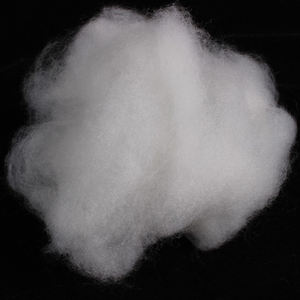
Wood cellulose fiber is a natural additive made from processed wood pulp. It is mixed into concrete to help reduce cracking. The fibers are very fine and spread evenly through the mix.
Me pehea te whakapai ake i te aukati kapiti?
Ka maroke te raima, ka mimiti. Ko tenei whakaheke i te nuinga o nga wa ka pakaru iti. Wood cellulose fibers hold the concrete together during this process. They create a network inside the mix that slows down crack formation. This makes the surface stronger and more uniform.
Is it easy to use in regular concrete mixes?
Ae. You can add wood cellulose fiber directly to the mixer with other ingredients. Kaore he taputapu motuhake, he hikoinga ranei e hiahiatia ana. Me whai noa i te inenga kua tohua i runga i te tapanga hua. The fiber blends well and does not clump if mixed properly.
Ka pa ki te kaha o te raima?
Kaore e whakahekehia te kaha o te pupuhi. Ina hoki, it helps maintain overall integrity by controlling early-age cracks. The main benefit is better resistance to surface cracking, not higher load-bearing capacity. Mo te kaha o te hanganga, other reinforcements like steel rebar are still needed.
Can it replace synthetic fibers?
It can be used instead of some synthetic fibers, especially where natural materials are preferred. Wood cellulose fiber works well for reducing plastic shrinkage cracks. Heoi ano, for heavy-duty applications, synthetic or steel fibers might offer more durability. Choose based on your project’s needs and environmental goals.
TONO HE KORERO
HUA HUA

Te Whakapakari Raima Raima Hangaia Te Waahanga Parahi Waa Moroiti Raima Waapapa Whakakikoruatia te Waa Whakamutunga Hanganga
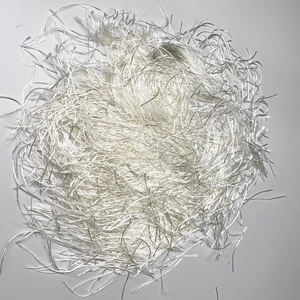
Te Miri Raima Raima Waa Toka Piriti Raima Hanga Waa Waea mo nga waahi hanga

pp muka polypropylene muka raima polypropylene muka mo te whakapakari raima
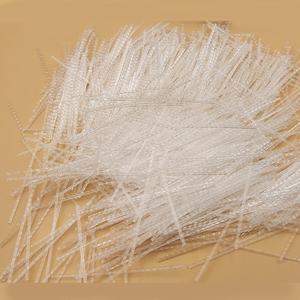
Hot s wheketere 1.0mm Silicone pania whakakaha karāhe muka papanga
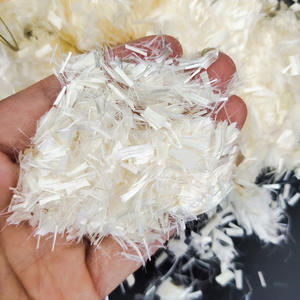
6mm 12mm Hangarau Moroiti PP Polypropylene Fiber raima mo te whakakaha moata raima
