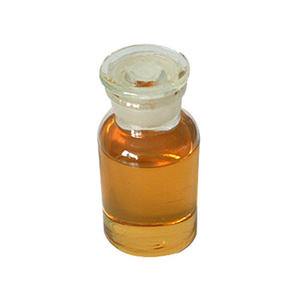
Additivi di Concrete Ligeru | Agenti schiumanti d'alta prestazione per u calcestru cellulare


PARAMETRI DI PRODUTTIU
Descrizzione
Overview of Concrete Foaming Agent for Lightweight Concrete in Hospital Radiation Shielding
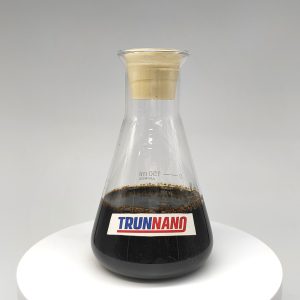
Concrete Foaming Agent for Lightweight Concrete in Hospital Radiation Shielding is a surfactant that generates large quantities of uniform, schiuma stabile per mezu fisicu o chimicu. Quandu sta scuma hè mischiata bè cù slurry basatu di cimentu (cimentu, cendre volante, ecc.) è guaritu naturalmente o cù vapore, forma un novu materiale ligeru - cimentu di scuma - internu pienu di numerose cellule d'aria chjuse.
Features of Concrete Foaming Agent for Lightweight Concrete in Hospital Radiation Shielding
1. Altu rapportu di multiplicazione di schiuma: Un altu rapportu di multiplicazione di schiuma permette di diluzione prima di l'usu. Un kilogramu di cuncentrazione genera un grande volume di scuma uniforme, furnisce un risparmiu di costi significativu.
2. Forte stabilità di schiuma: Produce resiliente, pareti di schiuma uniformemente fine chì resistenu à u colapsu o a rottura. Efficacemente resiste à a pressione da u slurry di cimentu, assicurendu cellule d'aria indipendenti è sigillate in u pruduttu finitu.
3. Struttura di pori uniformi è fini: U cimentu di schiuma mostra una struttura interna ideale di micro-pori sferichi chjusi, guarantisci proprietà fisiche superiori.
4. Bassu cunsumu di materiale: Ottiene gradi di densità è forza equivalenti cù dosi più bassi cà i prudutti standard di u mercatu, riducendu i costi.
5. Ecologicu è sicuru: Formulazione neutra, micca tossicu, inodore, è non corrosive, senza dannu à l'ambiente o à a salute umana. Classificatu cum'è materiale di custruzzione verde.
6. Ampia adattabilità: Eccellente cumpatibilità cù diversi cimenti (cumpresi cimentu Portland ordinariu è cimentu aluminate) e miscele. Azione di schiuma rapida cù stabilità di schiuma estesa.

Specifications of Concrete Foaming Agent for Lightweight Concrete in Hospital Radiation Shielding
Concrete Foaming Agent for Lightweight Radiation Shielding in Hospitals
Specificazioni chjave
This foaming agent is made for lightweight concrete used in hospital radiation shielding walls and floors. It helps create stable, bolle d'aria uniformi in u mischju di béton. The result is a lighter material that still blocks X-rays and gamma rays effectively.
Density range: 800–1600 kg/m³. This allows flexibility based on structural needs and shielding requirements.
Compressive strength: 3–15 MPa. Strength varies with density but stays within safe limits for non-load-bearing shielding applications.
valore pH: 6.5– 8,0. Neutral pH ensures compatibility with cement and steel reinforcement.
Contenutu di solidi: Minimu 28%. High solids content means less water is needed, which improves foam stability.
Rapportu di espansione di schiuma: 20:1 à 30:1. One liter of concentrate makes 20–30 liters of usable foam.
Stability time: Over 90 minuti. Foam holds its shape long enough for proper mixing and pouring.
The agent works well with ordinary Portland cement and common aggregates. It does not contain chlorides or other corrosive substances. That protects embedded metal parts from rust.
U mischju hè simplice. Aghjunghjite prima l'agente di schiuma à l'acqua, then generate foam using a standard foam generator. Blend the foam into the slurry before placing it in forms. Curing follows normal concrete practices—keep it moist for at least 7 ghjorni.
This product meets ASTM C869 standards for foamed concrete. It also complies with healthcare facility safety guidelines for radiation protection materials.
Use only clean water when mixing. Avoid detergents or other additives unless approved by the manufacturer. Store the concentrate in a cool, locu seccu trà 5 ° C è 35 ° C. Mantene i cuntenituri sigillati quandu ùn sò micca in usu.
The foaming agent remains effective for 12 months from the production date if stored properly. Always check the batch number and expiry before use.
Applications of Concrete Foaming Agent for Lightweight Concrete in Hospital Radiation Shielding
Applications of Concrete Foaming Agent for Lightweight Concrete in Hospital Radiation Shielding
Why Lightweight Concrete Matters in Hospitals
Hospitals need strong protection from radiation, especially in areas like X-ray rooms and radiotherapy suites. Traditional shielding uses heavy concrete. But this adds a lot of weight to floors and walls. That can cause structural stress. Lightweight concrete offers a smart alternative. It gives good radiation shielding without the extra load.
How Foaming Agents Help
Concrete foaming agents create tiny air bubbles inside the mix. Queste bolle facenu u cimentu più liggeru. In listessu tempu, they keep its strength high enough for safety. The result is a material that blocks radiation well but weighs much less than normal concrete. This helps builders design flexible layouts without worrying about overloading the building frame.
Real-World Benefits in Medical Settings
Using lightweight concrete with foaming agents cuts down on construction time and cost. Workers can move and place it more easily. It also reduces the need for extra support structures. In hospital renovations, this is a big advantage. Older buildings often cannot handle heavy shielding materials. Lightweight concrete solves that problem.
The material works well with lead or barium additives. These boost radiation absorption. When mixed right, the final product meets strict medical safety standards. Plus, it stays stable over time. There’s no risk of shrinking or cracking under normal conditions.
Supporting Modern Healthcare Design
As hospitals upgrade imaging and treatment tech, shielding needs grow. Lightweight concrete made with foaming agents supports these changes. It fits into tight spaces. It adapts to complex room shapes. And it keeps patients and staff safe from harmful exposure. Builders and engineers rely on it for smart, future-ready healthcare facilities.
Profilu di a cumpagnia
Semu u capu glubale in cimentu liggeru è soluzioni avanzate di schiuma ingegneria. Cunnisciuta in u mondu per u so impegnu à a ricerca, innuvazione, è sapè fà applicata, Avemu furnitu suluzioni di schiuma ingegneria da u principiu di u 2012.
Pudemu furnisce additivi di béton d'alta qualità è prudutti di cimentu spuma in tuttu u mondu.
A cumpagnia hà un dipartimentu tecnicu prufessiunale è un dipartimentu di supervisione di qualità, un laboratoriu ben equipatu, è dotatu di equipaggiu di prova avanzatu è centru di serviziu di serviziu di u cliente post-vendita.
Sè site interessatu, per piacè sentite liberu è cuntattateci.
Pagamentu
T/T, Western Union, Paypal, Carta di creditu ecc.
Spedizioni
Per aria, per mare, per espresso, cum'è i clienti dumandanu.
5 FAQs of Concrete Foaming Agent for Lightweight Concrete in Hospital Radiation Shielding
Frequently Asked Questions About Concrete Foaming Agent for Hospital Radiation Shielding
Chì ghjè un agentu spumante di béton?
Un agentu spumante di cimentu hè un liquidu aghjuntu à u mischju di cimentu per creà bolle d'aria. Queste bolle facenu u cimentu più liggeru. In hospitals, this lightweight concrete helps block radiation without adding too much weight to floors or walls.
Why use lightweight concrete in radiation shielding?
Radiation rooms like X-ray or CT scan areas need strong shielding. Heavy traditional concrete works but puts stress on building structures. Lightweight concrete with foaming agents gives good shielding while being easier to support. It also saves space and cuts construction costs.
Does foamed concrete still block radiation well?
Iè, if it is made correctly. The key is using the right mix of cement, acqua, aggregati, and additives like barium sulfate. Even with air bubbles, the concrete can meet required radiation protection standards. Always follow engineering guidelines for your specific medical equipment.
Is the foaming agent safe for hospital use?
Most modern foaming agents are non-toxic and stable. They do not release harmful fumes after curing. Make sure to choose products approved for indoor or medical construction. Check safety data sheets before buying.
How is foamed concrete installed in hospitals?
Contractors mix the foaming agent with water and pump it into the concrete batch. The mixture is then poured like regular concrete. It must be placed evenly and cured properly. Work with experienced crews who understand radiation shielding needs. Proper installation ensures both strength and safety.
RICHIEDE UN QUOTE
PRODOTTI RELATI
Concrete Foaming Agent for Lightweight Concrete in Polymer Plant Floor Fill
Concrete Foaming Agent for Lightweight Concrete in Elevated Park Foundation Fill
Agente spumante di cuncretu di proteine animali à alta diluzione per u batching in cantiere
Agente Spumante di Concretu per u Concretu Ligeru in Custruzzione Agricola
Concrete Foaming Agent for Lightweight Concrete in Antiseptic Plant Foundation Fill