Lightweight Nja Additives | Awọn aṣoju Fọmu Iṣe-giga fun Nja Cellular


Ọja parameters
Apejuwe
Overview of Concrete Foaming Agent for Lightweight Concrete in Hospital Radiation Shielding
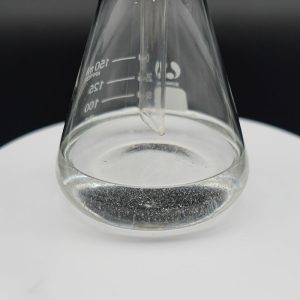
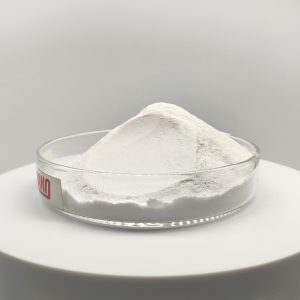
Concrete Foaming Agent for Lightweight Concrete in Hospital Radiation Shielding is a surfactant that generates large quantities of uniform, foomu iduroṣinṣin nipasẹ ọna ti ara tabi kemikali. Nigbati foomu yii ba ti dapọ daradara pẹlu slurry ti o da lori simenti (simenti, eeru fo, ati be be lo.) ati ki o si bojuto nipa ti ara tabi pẹlu nya, o fọọmu kan aramada lightweight ohun elo — foomu nja — fipa kún pẹlu afonifoji titi air ẹyin.
Features of Concrete Foaming Agent for Lightweight Concrete in Hospital Radiation Shielding
1. Ga Foomu isodipupo Ratio: Iwọn isodipupo foomu giga ngbanilaaye fun dilution ṣaaju lilo. Ọkan kilogram ti ifọkansi n ṣe agbejade iwọn nla ti foomu aṣọ, ifijiṣẹ awọn ifowopamọ iye owo pataki.
2. Iduroṣinṣin Foomu ti o lagbara: Ṣe agbejade resilient, iṣọkan itanran foomu Odi ti o koju Collapse tabi breakage. Fe ni withstands titẹ lati simenti slurry, aridaju ominira ati awọn sẹẹli afẹfẹ ti o ni pipade laarin ọja ti o pari.
3. Aṣọ ati Fine Pore Be: Nja foomu n ṣe afihan eto inu inu pipe ti awọn pores micro-spherical pipade, onigbọwọ superior ti ara-ini.
4. Lilo Ohun elo Kekere: Ṣe aṣeyọri iwuwo deede ati awọn onipò agbara pẹlu iwọn lilo kekere ju awọn ọja ọja boṣewa lọ, idinku owo.
5. Eco-ore ati ailewu: Agbese agbedemeji, ti kii-majele ti, olfato, ati ti kii-ibajẹ, ko ṣe ipalara si ayika tabi ilera eniyan. Sọsọtọ bi ohun elo ile alawọ ewe.
6. Wide adaptability: O tayọ ibamu pẹlu orisirisi simenti (pẹlu arinrin Portland simenti ati aluminate simenti) ati admixtures. Igbesẹ foomu ni kiakia pẹlu iduroṣinṣin foomu ti o gbooro sii.

Specifications of Concrete Foaming Agent for Lightweight Concrete in Hospital Radiation Shielding
Concrete Foaming Agent for Lightweight Radiation Shielding in Hospitals
Awọn pato bọtini
This foaming agent is made for lightweight concrete used in hospital radiation shielding walls and floors. It helps create stable, aṣọ air nyoju inu awọn nja mix. The result is a lighter material that still blocks X-rays and gamma rays effectively.
Iwọn iwuwo: 800–1600 kg/m³. This allows flexibility based on structural needs and shielding requirements.
Agbara titẹ: 3–15 MPa. Strength varies with density but stays within safe limits for non-load-bearing shielding applications.
iye pH: 6.5–8.0. Neutral pH ensures compatibility with cement and steel reinforcement.
Awọn akoonu ri to: O kere ju 28%. High solids content means less water is needed, which improves foam stability.
Imugboroosi foomu: 20:1 si 30:1. One liter of concentrate makes 20–30 liters of usable foam.
Stability time: Pari 90 iseju. Foam holds its shape long enough for proper mixing and pouring.
The agent works well with ordinary Portland cement and common aggregates. It does not contain chlorides or other corrosive substances. That protects embedded metal parts from rust.
Dapọ ni o rọrun. Fi oluranlowo foomu sinu omi ni akọkọ, then generate foam using a standard foam generator. Blend the foam into the slurry before placing it in forms. Curing follows normal concrete practices—keep it moist for at least 7 awọn ọjọ.
This product meets ASTM C869 standards for foamed concrete. It also complies with healthcare facility safety guidelines for radiation protection materials.
Use only clean water when mixing. Avoid detergents or other additives unless approved by the manufacturer. Store the concentrate in a cool, ibi gbigbẹ laarin 5 ° C si 35 ° C. Jeki awọn apoti edidi nigbati o ko ba wa ni lilo.
The foaming agent remains effective for 12 months from the production date if stored properly. Always check the batch number and expiry before use.
Applications of Concrete Foaming Agent for Lightweight Concrete in Hospital Radiation Shielding
Applications of Concrete Foaming Agent for Lightweight Concrete in Hospital Radiation Shielding
Why Lightweight Concrete Matters in Hospitals
Hospitals need strong protection from radiation, especially in areas like X-ray rooms and radiotherapy suites. Traditional shielding uses heavy concrete. But this adds a lot of weight to floors and walls. That can cause structural stress. Lightweight concrete offers a smart alternative. It gives good radiation shielding without the extra load.
How Foaming Agents Help
Concrete foaming agents create tiny air bubbles inside the mix. Awọn wọnyi nyoju ṣe awọn nja fẹẹrẹfẹ. Ni akoko kan naa, they keep its strength high enough for safety. The result is a material that blocks radiation well but weighs much less than normal concrete. This helps builders design flexible layouts without worrying about overloading the building frame.
Real-World Benefits in Medical Settings
Using lightweight concrete with foaming agents cuts down on construction time and cost. Workers can move and place it more easily. It also reduces the need for extra support structures. In hospital renovations, this is a big advantage. Older buildings often cannot handle heavy shielding materials. Lightweight concrete solves that problem.
The material works well with lead or barium additives. These boost radiation absorption. When mixed right, the final product meets strict medical safety standards. Ni afikun, it stays stable over time. There’s no risk of shrinking or cracking under normal conditions.
Supporting Modern Healthcare Design
As hospitals upgrade imaging and treatment tech, shielding needs grow. Lightweight concrete made with foaming agents supports these changes. It fits into tight spaces. It adapts to complex room shapes. And it keeps patients and staff safe from harmful exposure. Builders and engineers rely on it for smart, future-ready healthcare facilities.
Ifihan ile ibi ise
A jẹ oludari agbaye ni nja iwuwo fẹẹrẹ ati awọn solusan foomu ti ilọsiwaju. Ti a mọ ni agbaye fun ifaramo rẹ si iwadii, imotuntun, ati ki o loo ĭrìrĭ, a ti n pese awọn solusan foomu ti a ṣe atunṣe lati ibẹrẹ 2012's.
A le pese admixture nja to gaju ati awọn ọja ti o ni ibatan foomu ni gbogbo agbaye.
Ile-iṣẹ naa ni ẹka imọ-ẹrọ ọjọgbọn ati ẹka abojuto didara, yàrá ti o ni ipese daradara, ati ipese pẹlu to ti ni ilọsiwaju igbeyewo ẹrọ ati lẹhin-tita onibara iṣẹ aarin.
Ti o ba nife, jọwọ lero free ati ki o kan si wa.
Isanwo
T/T, Western Union, Paypal, Kaadi Kirẹditi ati bẹbẹ lọ.
Gbigbe
Nipa afẹfẹ, nipa okun, nipa kiakia, bi awọn onibara beere.
5 FAQs of Concrete Foaming Agent for Lightweight Concrete in Hospital Radiation Shielding
Frequently Asked Questions About Concrete Foaming Agent for Hospital Radiation Shielding
Ohun ti o jẹ nja foomu oluranlowo?
Aṣoju foomu nja jẹ omi ti a ṣafikun si apopọ kọnja lati ṣẹda awọn nyoju afẹfẹ kekere. Awọn wọnyi nyoju ṣe awọn nja fẹẹrẹfẹ. In hospitals, this lightweight concrete helps block radiation without adding too much weight to floors or walls.
Why use lightweight concrete in radiation shielding?
Radiation rooms like X-ray or CT scan areas need strong shielding. Heavy traditional concrete works but puts stress on building structures. Lightweight concrete with foaming agents gives good shielding while being easier to support. It also saves space and cuts construction costs.
Does foamed concrete still block radiation well?
Bẹẹni, if it is made correctly. The key is using the right mix of cement, omi, awọn akojọpọ, and additives like barium sulfate. Even with air bubbles, the concrete can meet required radiation protection standards. Always follow engineering guidelines for your specific medical equipment.
Is the foaming agent safe for hospital use?
Pupọ julọ awọn aṣoju foaming ode oni kii ṣe majele ati iduroṣinṣin. Wọn ko tu eefin ipalara lẹhin imularada. Make sure to choose products approved for indoor or medical construction. Check safety data sheets before buying.
How is foamed concrete installed in hospitals?
Contractors mix the foaming agent with water and pump it into the concrete batch. The mixture is then poured like regular concrete. It must be placed evenly and cured properly. Work with experienced crews who understand radiation shielding needs. Proper installation ensures both strength and safety.
BERE ORO
Awọn ọja ti o jọmọ
Nja Foaming Aṣoju fun Lightweight Nja ni Refinery Foundation Kun
Iduroṣinṣin Surfactant Protein Liquid Concrete Foaming Aṣoju fun Nja Foomu
Aṣoju Imugboroosi Nja ati Aṣoju Imudanu Nja Iwọn Ina
Nja Foaming Aṣoju fun Lightweight Nja ni Kun Manufacturing Plant
Concrete Foaming Agent for Lightweight Concrete in Trench Backfill Applications