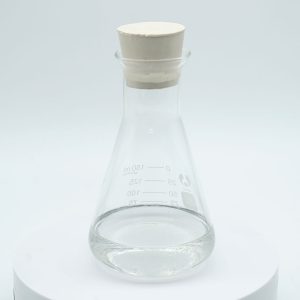
Leichtbetonzusatzstoffe | Hochleistungsschaummittel für Porenbeton


PRODUKTPARAMETER
Beschreibung
Overview of Concrete Foaming Agent for Lightweight Concrete in Hospital Radiation Shielding
Concrete Foaming Agent for Lightweight Concrete in Hospital Radiation Shielding is a surfactant that generates large quantities of uniform, Stabiler Schaum durch physikalische oder chemische Mittel. Wenn dieser Schaum gründlich mit zementbasierter Aufschlämmung vermischt wird (Zement, Flugasche, usw.) und natürlich oder mit Dampf ausgehärtet, Es bildet ein neuartiges Leichtbaumaterial – Schaumbeton –, das innen mit zahlreichen geschlossenen Luftzellen gefüllt ist.
Features of Concrete Foaming Agent for Lightweight Concrete in Hospital Radiation Shielding
1. Hohes Schaumvervielfachungsverhältnis: Das hohe Schaumvervielfachungsverhältnis ermöglicht eine Verdünnung vor der Verwendung. Ein Kilogramm Konzentrat erzeugt ein großes Volumen gleichmäßigen Schaums, was zu erheblichen Kosteneinsparungen führt.
2. Starke Schaumstabilität: Erzeugt belastbar, gleichmäßig feine Schaumstoffwände, die einem Einsturz oder Bruch standhalten. Hält dem Druck von Zementschlamm wirksam stand, Gewährleistung unabhängiger und versiegelter Luftzellen im fertigen Produkt.
3. Gleichmäßige und feine Porenstruktur: Der Schaumbeton weist eine ideale Innenstruktur aus geschlossenen kugelförmigen Mikroporen auf, Garantiert hervorragende physikalische Eigenschaften.
4. Geringer Materialverbrauch: Erzielt gleichwertige Dichte- und Festigkeitsgrade bei geringerer Dosierung als marktübliche Produkte, Kosten senken.
5. Umweltfreundlich und sicher: Neutrale Formulierung, ungiftig, geruchlos, und nicht korrodierend, weder für die Umwelt noch für die menschliche Gesundheit schädlich sind. Als umweltfreundlicher Baustoff eingestuft.
6. Große Anpassungsfähigkeit: Hervorragende Verträglichkeit mit verschiedenen Zementen (einschließlich gewöhnlichem Portlandzement und Aluminatzement) und Beimischungen. Schnelle Schaumwirkung mit verlängerter Schaumstabilität.

Specifications of Concrete Foaming Agent for Lightweight Concrete in Hospital Radiation Shielding
Concrete Foaming Agent for Lightweight Radiation Shielding in Hospitals
Wichtige Spezifikationen
This foaming agent is made for lightweight concrete used in hospital radiation shielding walls and floors. Es hilft, Stabilität zu schaffen, gleichmäßige Luftblasen in der Betonmischung. The result is a lighter material that still blocks X-rays and gamma rays effectively.
Dichtebereich: 800–1600 kg/m³. This allows flexibility based on structural needs and shielding requirements.
Druckfestigkeit: 3–15 MPa. Strength varies with density but stays within safe limits for non-load-bearing shielding applications.
pH-Wert: 6.5–8,0. Neutral pH ensures compatibility with cement and steel reinforcement.
Feststoffgehalt: Minimum 28%. High solids content means less water is needed, which improves foam stability.
Schaumausdehnungsverhältnis: 20:1 Zu 30:1. One liter of concentrate makes 20–30 liters of usable foam.
Stability time: Über 90 Minuten. Foam holds its shape long enough for proper mixing and pouring.
The agent works well with ordinary Portland cement and common aggregates. It does not contain chlorides or other corrosive substances. That protects embedded metal parts from rust.
Das Mischen ist einfach. Geben Sie zunächst das Schaummittel ins Wasser, then generate foam using a standard foam generator. Blend the foam into the slurry before placing it in forms. Curing follows normal concrete practices—keep it moist for at least 7 Tage.
This product meets ASTM C869 standards for foamed concrete. It also complies with healthcare facility safety guidelines for radiation protection materials.
Use only clean water when mixing. Avoid detergents or other additives unless approved by the manufacturer. Store the concentrate in a cool, Trockener Ort zwischen 5°C und 35°C. Bei Nichtgebrauch Behälter verschlossen halten.
The foaming agent remains effective for 12 months from the production date if stored properly. Always check the batch number and expiry before use.
Applications of Concrete Foaming Agent for Lightweight Concrete in Hospital Radiation Shielding
Applications of Concrete Foaming Agent for Lightweight Concrete in Hospital Radiation Shielding
Why Lightweight Concrete Matters in Hospitals
Hospitals need strong protection from radiation, especially in areas like X-ray rooms and radiotherapy suites. Traditional shielding uses heavy concrete. But this adds a lot of weight to floors and walls. That can cause structural stress. Lightweight concrete offers a smart alternative. It gives good radiation shielding without the extra load.
How Foaming Agents Help
Concrete foaming agents create tiny air bubbles inside the mix. Diese Blasen machen den Beton leichter. Gleichzeitig, they keep its strength high enough for safety. The result is a material that blocks radiation well but weighs much less than normal concrete. This helps builders design flexible layouts without worrying about overloading the building frame.
Real-World Benefits in Medical Settings
Using lightweight concrete with foaming agents cuts down on construction time and cost. Workers can move and place it more easily. It also reduces the need for extra support structures. In hospital renovations, this is a big advantage. Older buildings often cannot handle heavy shielding materials. Lightweight concrete solves that problem.
The material works well with lead or barium additives. These boost radiation absorption. When mixed right, the final product meets strict medical safety standards. Plus, it stays stable over time. There’s no risk of shrinking or cracking under normal conditions.
Supporting Modern Healthcare Design
As hospitals upgrade imaging and treatment tech, shielding needs grow. Lightweight concrete made with foaming agents supports these changes. It fits into tight spaces. It adapts to complex room shapes. And it keeps patients and staff safe from harmful exposure. Builders and engineers rely on it for smart, future-ready healthcare facilities.
Unternehmensprofil
Wir sind der weltweit führende Anbieter von Leichtbeton- und hochentwickelten technischen Schaumlösungen. Weltweit bekannt für sein Engagement in der Forschung, Innovation, und angewandtes Fachwissen, Seit Anfang 2012 bieten wir technische Schaumstofflösungen an.
Wir können hochwertige Betonzusatzmittel und Schaumbetonprodukte in die ganze Welt liefern.
Das Unternehmen verfügt über eine professionelle technische Abteilung und eine Qualitätsüberwachungsabteilung, ein gut ausgestattetes Labor, und ausgestattet mit fortschrittlicher Testausrüstung und einem Kundendienstzentrum nach dem Verkauf.
Bei Interesse, zögern Sie nicht und kontaktieren Sie uns.
Zahlung
T/T, Western Union, Paypal, Kreditkarte usw.
Lieferung
Auf dem Luftweg, auf dem Seeweg, per Express, nach Kundenwunsch.
5 FAQs of Concrete Foaming Agent for Lightweight Concrete in Hospital Radiation Shielding
Frequently Asked Questions About Concrete Foaming Agent for Hospital Radiation Shielding
Was ist ein Betonschaummittel??
Ein Betonschaummittel ist eine Flüssigkeit, die der Betonmischung zugesetzt wird, um winzige Luftblasen zu erzeugen. Diese Blasen machen den Beton leichter. In hospitals, this lightweight concrete helps block radiation without adding too much weight to floors or walls.
Why use lightweight concrete in radiation shielding?
Radiation rooms like X-ray or CT scan areas need strong shielding. Heavy traditional concrete works but puts stress on building structures. Lightweight concrete with foaming agents gives good shielding while being easier to support. It also saves space and cuts construction costs.
Does foamed concrete still block radiation well?
Ja, if it is made correctly. The key is using the right mix of cement, Wasser, Aggregate, and additives like barium sulfate. Even with air bubbles, the concrete can meet required radiation protection standards. Always follow engineering guidelines for your specific medical equipment.
Is the foaming agent safe for hospital use?
Die meisten modernen Schaummittel sind ungiftig und stabil. Nach dem Aushärten setzen sie keine schädlichen Dämpfe frei. Make sure to choose products approved for indoor or medical construction. Check safety data sheets before buying.
How is foamed concrete installed in hospitals?
Contractors mix the foaming agent with water and pump it into the concrete batch. The mixture is then poured like regular concrete. It must be placed evenly and cured properly. Work with experienced crews who understand radiation shielding needs. Proper installation ensures both strength and safety.
Fordern Sie ein Angebot an
VERWANDTE PRODUKTE
Betonschaummittel für Leichtbeton in der Betonmischanlagenfüllung
Hochverdünntes Betonschaummittel in Industriequalität für Massenschaumbetonbestellungen
Hot Concrete Blocks Use CLC Block Concrete Foaming Agent for
Hochstabiles tierisches Protein-Flüssigbetonschaummittel für Leichtbeton

Betonschaummittel für Porenleichtbeton, hochwertiges Zusatzmittel