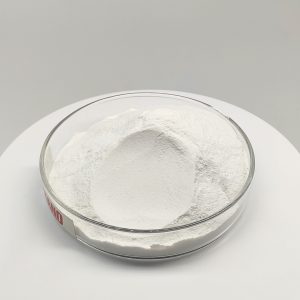
Добавки для легкого бетона | Высокоэффективные пенообразователи для ячеистого бетона


ПАРАМЕТРЫ ПРОДУКТА
Описание
Overview of Concrete Foaming Agent for Lightweight Concrete in Hospital Radiation Shielding
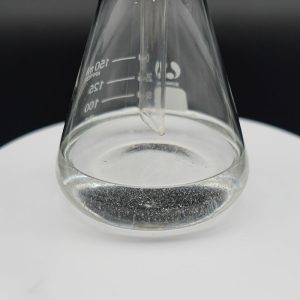
Concrete Foaming Agent for Lightweight Concrete in Hospital Radiation Shielding is a surfactant that generates large quantities of uniform, стабильная пена физическими или химическими средствами. При этом пена тщательно перемешивается с раствором на цементной основе. (цемент, летучая зола, и т. д.) и отверждены естественным путем или паром, он образует новый легкий материал — пенобетон, внутри заполненный многочисленными закрытыми воздушными ячейками..
Features of Concrete Foaming Agent for Lightweight Concrete in Hospital Radiation Shielding
1. Высокий коэффициент увеличения пены: Высокий коэффициент пенообразования позволяет разбавлять перед использованием.. Один килограмм концентрата образует большой объем однородной пены., обеспечивающая значительную экономию средств.
2. Сильная стабильность пены: Производит устойчивый, стенки из равномерно тонкого пенопласта, устойчивые к обрушению или разрушению. Эффективно выдерживает давление цементного раствора., обеспечение независимых и герметичных воздушных ячеек внутри готового продукта.
3. Равномерная и тонкая пористая структура: Пенобетон имеет идеальную внутреннюю структуру из закрытых сферических микропор., гарантируя превосходные физические свойства.
4. Низкий расход материала: Достигает эквивалентной плотности и прочности при более низкой дозировке, чем стандартные рыночные продукты., сокращение затрат.
5. Экологичный и безопасный: Нейтральная формула, нетоксичный, без запаха, и некоррозионный, не нанося вреда окружающей среде и здоровью человека. Классифицируется как экологически чистый строительный материал..
6. Широкая адаптируемость: Отличная совместимость с различными цементами. (включая обычный портландцемент и алюминатный цемент) и добавки. Быстрое пенообразование с повышенной стабильностью пены..

Specifications of Concrete Foaming Agent for Lightweight Concrete in Hospital Radiation Shielding
Concrete Foaming Agent for Lightweight Radiation Shielding in Hospitals
Ключевые характеристики
This foaming agent is made for lightweight concrete used in hospital radiation shielding walls and floors. Это помогает создать стабильную, равномерные пузырьки воздуха внутри бетонной смеси. The result is a lighter material that still blocks X-rays and gamma rays effectively.
Density range: 800–1600 kg/m³. This allows flexibility based on structural needs and shielding requirements.
Прочность на сжатие: 3–15 MPa. Strength varies with density but stays within safe limits for non-load-bearing shielding applications.
значение pH: 6.5–8,0. Neutral pH ensures compatibility with cement and steel reinforcement.
Содержание твердых веществ: Минимум 28%. High solids content means less water is needed, which improves foam stability.
Коэффициент расширения пены: 20:1 к 30:1. One liter of concentrate makes 20–30 liters of usable foam.
Stability time: Над 90 минуты. Foam holds its shape long enough for proper mixing and pouring.
The agent works well with ordinary Portland cement and common aggregates. It does not contain chlorides or other corrosive substances. That protects embedded metal parts from rust.
Смешивание — это просто. Сначала добавьте пенообразователь в воду., then generate foam using a standard foam generator. Blend the foam into the slurry before placing it in forms. Curing follows normal concrete practices—keep it moist for at least 7 дни.
This product meets ASTM C869 standards for foamed concrete. It also complies with healthcare facility safety guidelines for radiation protection materials.
Use only clean water when mixing. Avoid detergents or other additives unless approved by the manufacturer. Store the concentrate in a cool, сухое место при температуре от 5°C до 35°C. Держите контейнеры запечатанными, когда они не используются..
The foaming agent remains effective for 12 months from the production date if stored properly. Always check the batch number and expiry before use.
Applications of Concrete Foaming Agent for Lightweight Concrete in Hospital Radiation Shielding
Applications of Concrete Foaming Agent for Lightweight Concrete in Hospital Radiation Shielding
Why Lightweight Concrete Matters in Hospitals
Hospitals need strong protection from radiation, especially in areas like X-ray rooms and radiotherapy suites. Traditional shielding uses heavy concrete. But this adds a lot of weight to floors and walls. That can cause structural stress. Lightweight concrete offers a smart alternative. It gives good radiation shielding without the extra load.
How Foaming Agents Help
Concrete foaming agents create tiny air bubbles inside the mix. Эти пузырьки делают бетон легче.. В то же время, they keep its strength high enough for safety. The result is a material that blocks radiation well but weighs much less than normal concrete. This helps builders design flexible layouts without worrying about overloading the building frame.
Real-World Benefits in Medical Settings
Using lightweight concrete with foaming agents cuts down on construction time and cost. Workers can move and place it more easily. It also reduces the need for extra support structures. In hospital renovations, this is a big advantage. Older buildings often cannot handle heavy shielding materials. Lightweight concrete solves that problem.
The material works well with lead or barium additives. These boost radiation absorption. When mixed right, the final product meets strict medical safety standards. Плюс, it stays stable over time. There’s no risk of shrinking or cracking under normal conditions.
Supporting Modern Healthcare Design
As hospitals upgrade imaging and treatment tech, shielding needs grow. Lightweight concrete made with foaming agents supports these changes. It fits into tight spaces. It adapts to complex room shapes. And it keeps patients and staff safe from harmful exposure. Builders and engineers rely on it for smart, future-ready healthcare facilities.
Профиль компании
Мы являемся мировым лидером в области производства легкого бетона и передовых решений в области инженерного пенопласта.. Известен во всем мире своей приверженностью исследованиям, инновации, и прикладной опыт, мы поставляем инженерные решения из пенопласта с начала 2012 года..
Мы можем поставлять высококачественные добавки к бетону и сопутствующие товары для пенобетона по всему миру..
Компания имеет профессиональный технический отдел и отдел контроля качества., хорошо оборудованная лаборатория, и оснащен современным испытательным оборудованием и центром послепродажного обслуживания клиентов..
Если вам интересно, пожалуйста, не стесняйтесь и свяжитесь с нами.
Оплата
Т/Т, Western Union, ПайПал, Кредитная карта и т. д..
Отгрузка
По воздуху, по морю, экспресс, по запросу клиентов.
5 FAQs of Concrete Foaming Agent for Lightweight Concrete in Hospital Radiation Shielding
Frequently Asked Questions About Concrete Foaming Agent for Hospital Radiation Shielding
Что такое пенообразователь для бетона?
Пенообразователь для бетона — это жидкость, добавляемая в бетонную смесь для создания крошечных пузырьков воздуха.. Эти пузырьки делают бетон легче.. In hospitals, this lightweight concrete helps block radiation without adding too much weight to floors or walls.
Why use lightweight concrete in radiation shielding?
Radiation rooms like X-ray or CT scan areas need strong shielding. Heavy traditional concrete works but puts stress on building structures. Lightweight concrete with foaming agents gives good shielding while being easier to support. It also saves space and cuts construction costs.
Does foamed concrete still block radiation well?
Да, if it is made correctly. The key is using the right mix of cement, вода, агрегаты, and additives like barium sulfate. Even with air bubbles, the concrete can meet required radiation protection standards. Always follow engineering guidelines for your specific medical equipment.
Is the foaming agent safe for hospital use?
Большинство современных пенообразователей нетоксичны и стабильны.. После отверждения не выделяют вредных испарений.. Make sure to choose products approved for indoor or medical construction. Check safety data sheets before buying.
How is foamed concrete installed in hospitals?
Contractors mix the foaming agent with water and pump it into the concrete batch. The mixture is then poured like regular concrete. It must be placed evenly and cured properly. Work with experienced crews who understand radiation shielding needs. Proper installation ensures both strength and safety.
ЗАПРОСИТЬ ЦЕНУ
СОПУТСТВУЮЩИЕ ПРОДУКТЫ
Высококачественные воздухововлекающие агенты используются в пенообразователях для бетона.
Жидкий пенообразователь для бетона для производства цементных блоков
Пенообразователь для легкого бетона на засыпке пола станции перевалки отходов
Concrete Foaming Agent for Lightweight Concrete in Cold Storage Floor Insulation
Пенообразователь для бетона с высоким разбавлением для экономичного крупномасштабного производства CLC