Liicht Beton Additiven | High-Performance Schaummëttel fir Cellular Beton


PRODUIT PARAMETER
Beschreiwung
Overview of Concrete Foaming Agent for Lightweight Concrete in Hospital Radiation Shielding
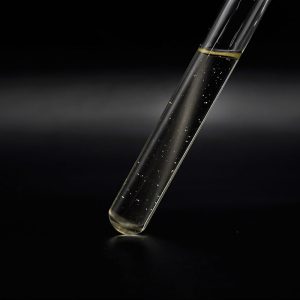
Concrete Foaming Agent for Lightweight Concrete in Hospital Radiation Shielding is a surfactant that generates large quantities of uniform, stabile Schaum duerch physesch oder chemesch Mëttelen. Wann dëse Schaum grëndlech mat Zement-baséiert Schlamm gemëscht gëtt (Zement, fléien Äschen, etc.) an natierlech geheelt oder mat Damp, et bildt en neit liicht Material - Schaumbeton - intern gefëllt mat ville zouene Loftzellen.
Features of Concrete Foaming Agent for Lightweight Concrete in Hospital Radiation Shielding
1. Héich Schaum Multiplikatiouns Verhältnis: Héich Schaummultiplikatiounsverhältnis erlaabt d'Verdünnung virum Gebrauch. Ee Kilogramm Konzentrat generéiert e grousse Volumen un eenheetleche Schaum, bedeitend Käschte spueren liwweren.
2. Staark Schaum Stabilitéit: Produzéiert elastesch, eenheetlech feine Schaummaueren déi géint Zesummebroch oder Broch widderstoen. Effektiv widderstoen Drock vun Zement Schläimhait, onofhängeg a versiegelt Loftzellen am fäerdege Produkt garantéieren.
3. Uniform a Fein Pore Struktur: De Schaumbeton weist eng ideal intern Struktur vu geschlossene sphäresche Mikroporen, garantéiert super physesch Eegeschaften.
4. Niddereg Materialverbrauch: Erreecht gläichwäerteg Dicht a Kraaftgrade mat enger méi niddereger Doséierung wéi Standardmaartprodukter, Käschten ze reduzéieren.
5. Öko-frëndlech a sécher: Neutral Formuléierung, net gëfteg, ouni Geroch, an net ätzend, kee Schued fir d'Ëmwelt oder d'mënschlech Gesondheet. Klassifizéiert als gréng Baumaterial.
6. Breet Adaptabilitéit: Excellent Kompatibilitéit mat verschiddene Zementer (dorënner gewéinlech Portland Zement an aluminate Zement) an Zousatzstoffer. Schnell Schaumaktioun mat erweiderter Schaumstabilitéit.

Specifications of Concrete Foaming Agent for Lightweight Concrete in Hospital Radiation Shielding
Concrete Foaming Agent for Lightweight Radiation Shielding in Hospitals
Schlëssel Spezifikatioune
This foaming agent is made for lightweight concrete used in hospital radiation shielding walls and floors. Et hëlleft stabil ze schafen, eenheetlech Loftblasen am Betonmix. The result is a lighter material that still blocks X-rays and gamma rays effectively.
Dicht Beräich: 800–1600 kg/m³. This allows flexibility based on structural needs and shielding requirements.
Kompressiv Kraaft: 3–15 MPa. Strength varies with density but stays within safe limits for non-load-bearing shielding applications.
pH Wäert: 6.5-8,0. Neutral pH ensures compatibility with cement and steel reinforcement.
Feststoff Inhalt: Minimum 28%. High solids content means less water is needed, which improves foam stability.
Schaum Expansioun Verhältnis: 20:1 zu 30:1. One liter of concentrate makes 20–30 liters of usable foam.
Stabilitéit Zäit: Eriwwer 90 Minutten. Foam holds its shape long enough for proper mixing and pouring.
The agent works well with ordinary Portland cement and common aggregates. It does not contain chlorides or other corrosive substances. That protects embedded metal parts from rust.
Mëschung ass einfach. Füügt als éischt de Schaummittel an d'Waasser, then generate foam using a standard foam generator. Blend the foam into the slurry before placing it in forms. Curing follows normal concrete practices—keep it moist for at least 7 Deeg.
This product meets ASTM C869 standards for foamed concrete. It also complies with healthcare facility safety guidelines for radiation protection materials.
Use only clean water when mixing. Avoid detergents or other additives unless approved by the manufacturer. Store the concentrate in a cool, dréchen Plaz tëscht 5°C an 35°C. Halt d'Container versiegelt wann net am Gebrauch.
The foaming agent remains effective for 12 months from the production date if stored properly. Always check the batch number and expiry before use.
Applications of Concrete Foaming Agent for Lightweight Concrete in Hospital Radiation Shielding
Applications of Concrete Foaming Agent for Lightweight Concrete in Hospital Radiation Shielding
Why Lightweight Concrete Matters in Hospitals
Hospitals need strong protection from radiation, especially in areas like X-ray rooms and radiotherapy suites. Traditional shielding uses heavy concrete. But this adds a lot of weight to floors and walls. That can cause structural stress. Lightweight concrete offers a smart alternative. It gives good radiation shielding without the extra load.
How Foaming Agents Help
Concrete foaming agents create tiny air bubbles inside the mix. Dës Bubbles maachen de Beton méi hell. Gläichzäiteg, they keep its strength high enough for safety. The result is a material that blocks radiation well but weighs much less than normal concrete. This helps builders design flexible layouts without worrying about overloading the building frame.
Real-World Benefits in Medical Settings
Using lightweight concrete with foaming agents cuts down on construction time and cost. Workers can move and place it more easily. It also reduces the need for extra support structures. In hospital renovations, this is a big advantage. Older buildings often cannot handle heavy shielding materials. Lightweight concrete solves that problem.
The material works well with lead or barium additives. These boost radiation absorption. When mixed right, the final product meets strict medical safety standards. Plus, it stays stable over time. There’s no risk of shrinking or cracking under normal conditions.
Supporting Modern Healthcare Design
As hospitals upgrade imaging and treatment tech, shielding needs grow. Lightweight concrete made with foaming agents supports these changes. It fits into tight spaces. It adapts to complex room shapes. And it keeps patients and staff safe from harmful exposure. Builders and engineers rely on it for smart, future-ready healthcare facilities.
Firma Profil
Mir sinn de weltwäite Leader a liicht Beton a fortgeschratt manipuléierte Schaumléisungen. Bekannt weltwäit fir säin Engagement fir Fuerschung, Innovatioun, an applizéiert Expertise, mir hunn manipuléiert Schaumléisungen zënter de fréien 2012er geliwwert.
Mir kënne qualitativ héichwäerteg Betonadmixer a Schaumbetonbezunn Produkter op der ganzer Welt liwweren.
D'Firma huet eng professionell technesch Departement a Qualitéit Iwwerwaachung Departement, engem gutt equipéiert Labo, an equipéiert mat fortgeschratt Testen Equipement an no-Ofsaz Client Service Zentrum.
Wann Dir interesséiert sidd, fillt Iech gratis a kontaktéiert eis.
Bezuelen
T/T, Western Union, Paypal, Kreditkaart etc.
Sendung
Mat der Loft, vum Mier, duerch express, wéi Clienten Ufro.
5 FAQs of Concrete Foaming Agent for Lightweight Concrete in Hospital Radiation Shielding
Frequently Asked Questions About Concrete Foaming Agent for Hospital Radiation Shielding
Wat ass e Betonschaummittel?
E konkrete Schaummëttel ass eng Flëssegkeet, déi zu Betonmëschung bäigefüügt gëtt fir kleng Loftblasen ze kreéieren. Dës Bubbles maachen de Beton méi hell. In hospitals, this lightweight concrete helps block radiation without adding too much weight to floors or walls.
Why use lightweight concrete in radiation shielding?
Radiation rooms like X-ray or CT scan areas need strong shielding. Heavy traditional concrete works but puts stress on building structures. Lightweight concrete with foaming agents gives good shielding while being easier to support. It also saves space and cuts construction costs.
Does foamed concrete still block radiation well?
Jo, if it is made correctly. The key is using the right mix of cement, Waasser, aggregéiert, and additives like barium sulfate. Even with air bubbles, the concrete can meet required radiation protection standards. Always follow engineering guidelines for your specific medical equipment.
Is the foaming agent safe for hospital use?
Most modern foaming agents are non-toxic and stable. They do not release harmful fumes after curing. Make sure to choose products approved for indoor or medical construction. Check safety data sheets before buying.
How is foamed concrete installed in hospitals?
Contractors mix the foaming agent with water and pump it into the concrete batch. The mixture is then poured like regular concrete. It must be placed evenly and cured properly. Work with experienced crews who understand radiation shielding needs. Proper installation ensures both strength and safety.
Ufro engem ZITAT
Zesummenhang PRODUITEN
Héich Verdünnung Industriell Surfaktant Flësseg Beton Schaummëttel fir CLC Blocks
Beton Schaummëttel fir liicht Beton am Tunnelfaartkonstruktioun
Héich Verdünnungsverhältnis Beton Schaummëttel fir Käschteneffektiv liicht Beton
Héich Schaumstabilitéit Industrieprotein Beton Schaummëttel fir Tunnel Réckfill
Héich Qualitéit synthetesch Surfaktant Déiereprotein Beton Schaummëttel fir Grouss Skala