


Lightweight Concrete Additives | High-Performance Foaming Agents for Cellular Concrete


PRODUCT PARAMETERS
Description
Overview of Concrete Foaming Agent for Lightweight Concrete in Hospital Radiation Shielding
Concrete Foaming Agent for Lightweight Concrete in Hospital Radiation Shielding is a surfactant that generates large quantities of uniform, stable foam through physical or chemical means. When this foam is thoroughly mixed with cement-based slurry (cement, fly ash, etc.) and cured naturally or with steam, it forms a novel lightweight material—foam concrete—internally filled with numerous closed air cells.
Features of Concrete Foaming Agent for Lightweight Concrete in Hospital Radiation Shielding
1. High Foam Multiplication Ratio: High foam multiplication ratio allows for dilution before use. One kilogram of concentrate generates a large volume of uniform foam, delivering significant cost savings.
2. Strong Foam Stability: Produces resilient, uniformly fine foam walls that resist collapse or breakage. Effectively withstands pressure from cement slurry, ensuring independent and sealed air cells within the finished product.
3. Uniform and Fine Pore Structure: The foam concrete exhibits an ideal internal structure of closed spherical micro-pores, guaranteeing superior physical properties.
4. Low Material Consumption: Achieves equivalent density and strength grades with lower dosage than standard market products, reducing costs.
5. Eco-friendly and safe: Neutral formulation, non-toxic, odorless, and non-corrosive, posing no harm to the environment or human health. Classified as a green building material.
6. Wide adaptability: Excellent compatibility with various cements (including ordinary Portland cement and aluminate cement) and admixtures. Rapid foaming action with extended foam stability.

Specifications of Concrete Foaming Agent for Lightweight Concrete in Hospital Radiation Shielding
Concrete Foaming Agent for Lightweight Radiation Shielding in Hospitals
Key Specifications
This foaming agent is made for lightweight concrete used in hospital radiation shielding walls and floors. It helps create stable, uniform air bubbles inside the concrete mix. The result is a lighter material that still blocks X-rays and gamma rays effectively.
Density range: 800–1600 kg/m³. This allows flexibility based on structural needs and shielding requirements.
Compressive strength: 3–15 MPa. Strength varies with density but stays within safe limits for non-load-bearing shielding applications.
pH value: 6.5–8.0. Neutral pH ensures compatibility with cement and steel reinforcement.
Solids content: Minimum 28%. High solids content means less water is needed, which improves foam stability.
Foam expansion ratio: 20:1 to 30:1. One liter of concentrate makes 20–30 liters of usable foam.
Stability time: Over 90 minutes. Foam holds its shape long enough for proper mixing and pouring.
The agent works well with ordinary Portland cement and common aggregates. It does not contain chlorides or other corrosive substances. That protects embedded metal parts from rust.
Mixing is simple. Add the foaming agent to water first, then generate foam using a standard foam generator. Blend the foam into the slurry before placing it in forms. Curing follows normal concrete practices—keep it moist for at least 7 days.
This product meets ASTM C869 standards for foamed concrete. It also complies with healthcare facility safety guidelines for radiation protection materials.
Use only clean water when mixing. Avoid detergents or other additives unless approved by the manufacturer. Store the concentrate in a cool, dry place between 5°C and 35°C. Keep containers sealed when not in use.
The foaming agent remains effective for 12 months from the production date if stored properly. Always check the batch number and expiry before use.
Applications of Concrete Foaming Agent for Lightweight Concrete in Hospital Radiation Shielding
Applications of Concrete Foaming Agent for Lightweight Concrete in Hospital Radiation Shielding
Why Lightweight Concrete Matters in Hospitals
Hospitals need strong protection from radiation, especially in areas like X-ray rooms and radiotherapy suites. Traditional shielding uses heavy concrete. But this adds a lot of weight to floors and walls. That can cause structural stress. Lightweight concrete offers a smart alternative. It gives good radiation shielding without the extra load.
How Foaming Agents Help
Concrete foaming agents create tiny air bubbles inside the mix. These bubbles make the concrete lighter. At the same time, they keep its strength high enough for safety. The result is a material that blocks radiation well but weighs much less than normal concrete. This helps builders design flexible layouts without worrying about overloading the building frame.
Real-World Benefits in Medical Settings
Using lightweight concrete with foaming agents cuts down on construction time and cost. Workers can move and place it more easily. It also reduces the need for extra support structures. In hospital renovations, this is a big advantage. Older buildings often cannot handle heavy shielding materials. Lightweight concrete solves that problem.
The material works well with lead or barium additives. These boost radiation absorption. When mixed right, the final product meets strict medical safety standards. Plus, it stays stable over time. There’s no risk of shrinking or cracking under normal conditions.
Supporting Modern Healthcare Design
As hospitals upgrade imaging and treatment tech, shielding needs grow. Lightweight concrete made with foaming agents supports these changes. It fits into tight spaces. It adapts to complex room shapes. And it keeps patients and staff safe from harmful exposure. Builders and engineers rely on it for smart, future-ready healthcare facilities.
Company Profile
We are the global leader in lightweight concrete and advanced engineered foam solutions. Known globally for its commitment to research, innovation, and applied expertise, we have been providing engineered foam solutions since the early 2012’s.
We can supply high-quality concrete admixture and foam concrete related products all over the world.
The company has a professional technical department and quality supervision department, a well-equipped laboratory, and equipped with advanced testing equipment and after-sales customer service center.
If you are interested, please feel free and contact us.
Payment
T/T, Western Union, Paypal, Credit Card etc.
Shipment
By air, by sea, by express, as customers request.
5 FAQs of Concrete Foaming Agent for Lightweight Concrete in Hospital Radiation Shielding
Frequently Asked Questions About Concrete Foaming Agent for Hospital Radiation Shielding
What is a concrete foaming agent?
A concrete foaming agent is a liquid added to concrete mix to create tiny air bubbles. These bubbles make the concrete lighter. In hospitals, this lightweight concrete helps block radiation without adding too much weight to floors or walls.
Why use lightweight concrete in radiation shielding?
Radiation rooms like X-ray or CT scan areas need strong shielding. Heavy traditional concrete works but puts stress on building structures. Lightweight concrete with foaming agents gives good shielding while being easier to support. It also saves space and cuts construction costs.
Does foamed concrete still block radiation well?
Yes, if it is made correctly. The key is using the right mix of cement, water, aggregates, and additives like barium sulfate. Even with air bubbles, the concrete can meet required radiation protection standards. Always follow engineering guidelines for your specific medical equipment.
Is the foaming agent safe for hospital use?
Most modern foaming agents are non-toxic and stable. They do not release harmful fumes after curing. Make sure to choose products approved for indoor or medical construction. Check safety data sheets before buying.
How is foamed concrete installed in hospitals?
Contractors mix the foaming agent with water and pump it into the concrete batch. The mixture is then poured like regular concrete. It must be placed evenly and cured properly. Work with experienced crews who understand radiation shielding needs. Proper installation ensures both strength and safety.
REQUEST A QUOTE
RELATED PRODUCTS
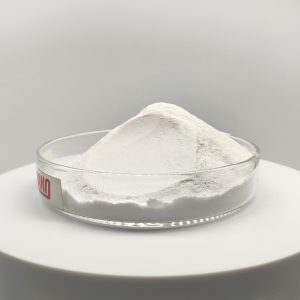
Concrete Foaming Agent for Lightweight Concrete in Cold Storage Floor Insulation
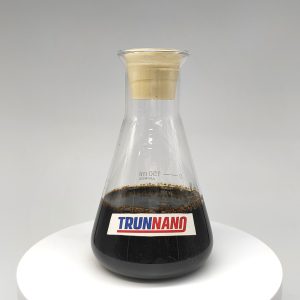
Hot ing Protein Concrete Foaming Agent for Concrete Blocks
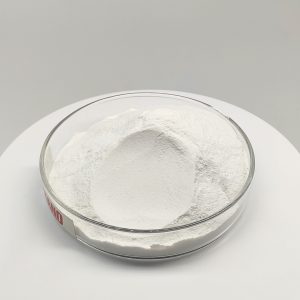
High Concentration Industrial Grade Cellular Concrete Foaming Agent for Construction Admixtures
High Dilution Liquid Animal Protein Surfactant Concrete Foaming Agent for Bulk Export
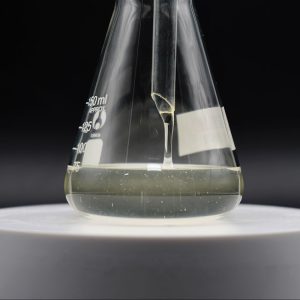
Air Entrainment Agent for Concrete Construction Chemical Auxiliary Agent Concrete Foaming Agent