Lightweight Concrete Additives | High-Performance Foaming Agents for Cellular Concrete


PRODUCT PARAMETERS
Description
Overview of Mold Release Agent and Concrete Foaming Agent for Construction
Mold Release Agent and Concrete Foaming Agent for Construction is a surfactant that generates large quantities of uniform, stable foam through physical or chemical means. When this foam is thoroughly mixed with cement-based slurry (cement, fly ash, etc.) and cured naturally or with steam, it forms a novel lightweight material—foam concrete—internally filled with numerous closed air cells.
Features of Mold Release Agent and Concrete Foaming Agent for Construction
1. High Foam Multiplication Ratio: High foam multiplication ratio allows for dilution before use. One kilogram of concentrate generates a large volume of uniform foam, delivering significant cost savings.
2. Strong Foam Stability: Produces resilient, uniformly fine foam walls that resist collapse or breakage. Effectively withstands pressure from cement slurry, ensuring independent and sealed air cells within the finished product.
3. Uniform and Fine Pore Structure: The foam concrete exhibits an ideal internal structure of closed spherical micro-pores, guaranteeing superior physical properties.
4. Low Material Consumption: Achieves equivalent density and strength grades with lower dosage than standard market products, reducing costs.
5. Eco-friendly and safe: Neutral formulation, non-toxic, odorless, and non-corrosive, posing no harm to the environment or human health. Classified as a green building material.
6. Wide adaptability: Excellent compatibility with various cements (including ordinary Portland cement and aluminate cement) and admixtures. Rapid foaming action with extended foam stability.

Specifications of Mold Release Agent and Concrete Foaming Agent for Construction
Product Specifications
Mold Release Agent
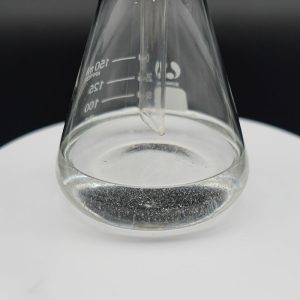
Appearance: Clear to light amber liquid
Solids Content: 25–30%
pH Value: 6.5–8.0 (in ready-to-use form)
Dilution Ratio: 1 part concentrate to 5–10 parts water, depending on surface and weather conditions
Coverage Rate: Approximately 30–40 m² per liter when diluted
Drying Time: 15–30 minutes at 25°C
Compatibility: Works well with steel, wood, fiberglass, and plastic formwork
Storage: Keep in a cool, dry place between 5°C and 35°C; shelf life of 12 months in original sealed container
This agent forms a thin, non-staining film that prevents concrete from sticking to molds. It does not leave residue on finished surfaces. The product is water-based and safe for use around workers and equipment.
Concrete Foaming Agent
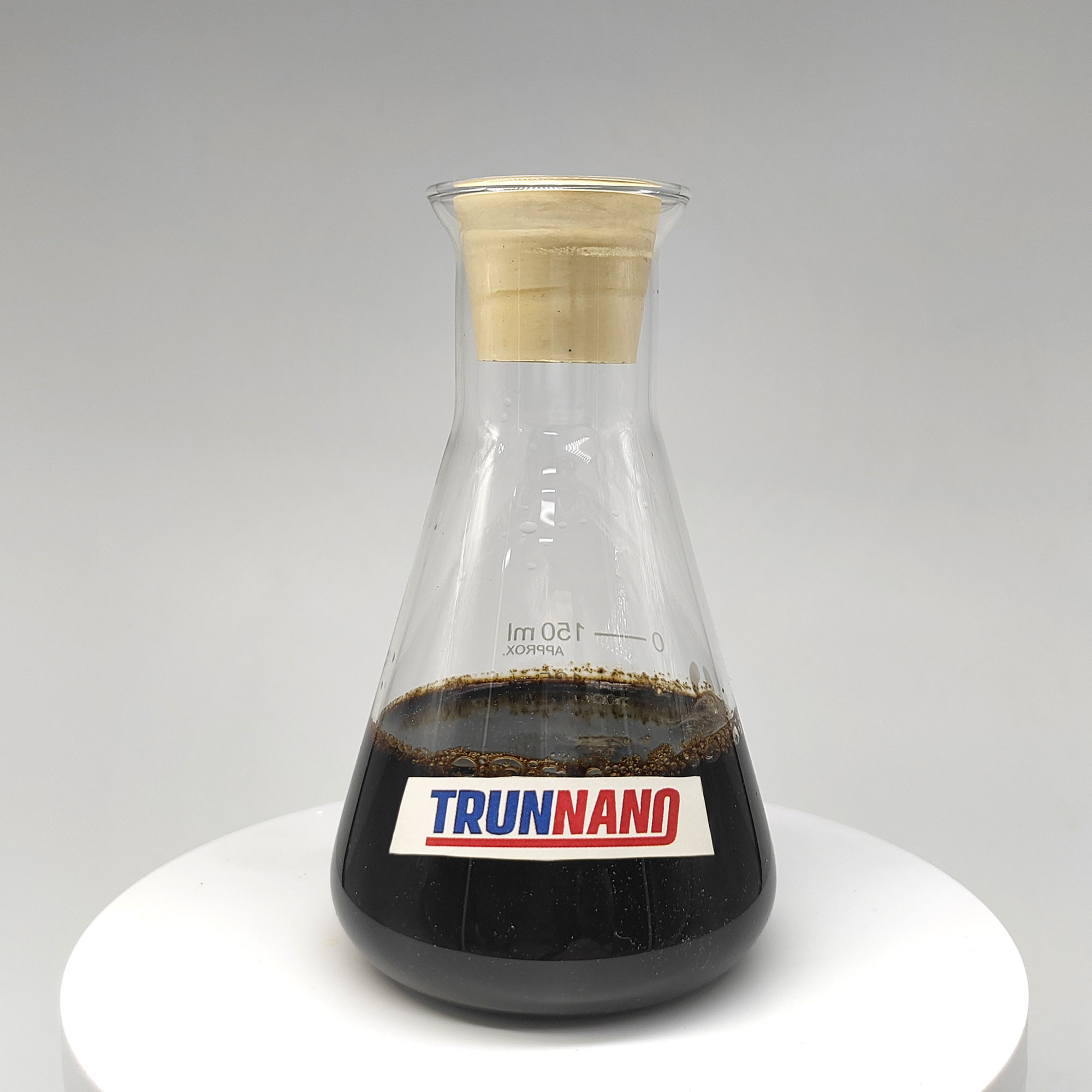
Appearance: Viscous, light yellow to brown liquid
Active Matter Content: ≥35%
pH Value: 7.0–9.0
Foam Expansion Ratio: 20:1 to 30:1 (volume of foam to volume of solution)
Foam Stability: Holds structure for over 60 minutes under standard test conditions
Dosage: 0.5–1.5 kg per cubic meter of lightweight concrete
Compatibility: Mixes easily with ordinary Portland cement and common admixtures
Storage: Store between 0°C and 40°C; avoid freezing; usable up to 12 months if unopened
This foaming agent creates stable, uniform air bubbles in concrete mixes. It helps produce lightweight cellular concrete with consistent density and good insulation properties. The foam remains intact during pouring and setting, which supports even strength development.
Applications of Mold Release Agent and Concrete Foaming Agent for Construction
Applications of Mold Release Agent and Concrete Foaming Agent in Construction
Mold Release Agent: Smooth Demolding, Better Surfaces
Mold release agents are used to help separate hardened concrete from formwork. Without them, concrete often sticks to molds, causing surface damage or delays. These agents create a thin barrier between the mold and fresh concrete. This makes it easier to remove forms without harming the structure. Builders use them on walls, columns, beams, and precast elements. The result is a clean finish that needs little repair. Water-based and oil-based types are both common. Each works well when applied correctly before pouring concrete.
Concrete Foaming Agent: Lightweight Strength
Concrete foaming agents mix air into cement to produce lightweight concrete. This reduces weight while keeping good strength. It also improves insulation and fire resistance. Workers add the foaming agent to water first, then blend it into the mix. The bubbles stay stable during pouring and curing. This type of concrete is ideal for floor fills, roof decks, wall panels, and road sub-bases. It saves material costs and eases transport and handling. Plus, it helps meet energy efficiency goals in modern buildings.
Both products support faster work and higher quality results. Mold release agents protect surfaces and speed up form reuse. Foaming agents cut weight and boost performance. Using them right means fewer problems on site and better outcomes for every project. Contractors choose these additives because they solve real issues—sticking forms, heavy pours, rough finishes—and make construction smoother from start to finish.
Company Profile
We are the global leader in lightweight concrete and advanced engineered foam solutions. Known globally for its commitment to research, innovation, and applied expertise, we have been providing engineered foam solutions since the early 2012’s.
We can supply high-quality concrete admixture and foam concrete related products all over the world.
The company has a professional technical department and quality supervision department, a well-equipped laboratory, and equipped with advanced testing equipment and after-sales customer service center.
If you are interested, please feel free and contact us.
Payment
T/T, Western Union, Paypal, Credit Card etc.
Shipment
By air, by sea, by express, as customers request.
5 FAQs of Mold Release Agent and Concrete Foaming Agent for Construction
Frequently Asked Questions
What is a mold release agent?
A mold release agent is a product you apply to forms or molds before pouring concrete. It creates a barrier so the hardened concrete does not stick. This makes it easy to remove the form without damaging the surface.
Why use a concrete foaming agent?
A concrete foaming agent adds air bubbles into the mix. This makes the concrete lighter and improves insulation. It also helps the mix flow better, which is useful for filling tight spaces or complex shapes.
Are mold release agents safe for workers?
Most modern mold release agents are water-based and low in odor. They meet safety standards for construction sites. Always check the label and follow instructions. Wear gloves and eye protection when applying them.
Can I use any mold release on all types of forms?
Not always. Some release agents work best with wood, others with steel or plastic. Using the wrong type may cause stains or poor release. Check the product details to match your form material.
How much foaming agent should I add to concrete?
The amount depends on the brand and the result you want. Too little gives no effect. Too much weakens the concrete. Follow the manufacturer’s mixing guide. Start with the recommended dose and adjust only if needed.
REQUEST A QUOTE
RELATED PRODUCTS
Industrial Grade High Quality CLC Lightweight Concrete Foaming Agent Protein Based Mortar Admixture
Concrete Foaming Agent for Lightweight Concrete in Cold Storage Floor Insulation
High Expansion Ratio Concrete Foaming Agent for Foamed Cement Backfill
High Dilution Industrial Surfactant Liquid Concrete Foaming Agent for CLC Blocks
Concrete Foaming Agent for Lightweight Concrete in Coating Factory Fill