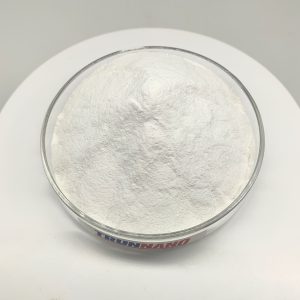
Nā Pākuʻi Paʻa Māmā | Nā ʻĀpana Hoʻohuʻi Kiʻekiʻe no ka Kelepona Kelepona


NA PALAPALA HUA
wehewehe
Overview of Mold Release Agent and Concrete Foaming Agent for Construction
Mold Release Agent and Concrete Foaming Agent for Construction is a surfactant that generates large quantities of uniform, huʻa paʻa ma o ke ʻano kino a i ʻole kemika. Ke hui pono ʻia kēia ʻōhū me ka slurry ma muli o ka sima (sima, lehu lele, etc.) a hoʻōla maoli ʻia a i ʻole me ka mahu, hana ia i mea mama mama—foam concrete—i piha i loko me na keena ea pani.
Features of Mold Release Agent and Concrete Foaming Agent for Construction
1. Kiʻekiʻe Foam Multiplication Ratio: Hiki ke hoʻoheheʻe ʻia ma mua o ka hoʻohana ʻana. Hoʻokahi kilokani o ka concentrate e hoʻohua i ka nui o ka huʻa like, ka hāʻawi ʻana i ka mālama kālā nui.
2. Paʻa Paʻa Kūʻai: Hoʻopuka i ke kūpaʻa, nā paia ʻōhuʻa maikaʻi like ʻole e kūʻē i ka hāʻule ʻana a i ʻole nahā. Kūleʻa maikaʻi i ke kaomi mai ka slurry sima, hōʻoia i ke kūʻokoʻa a hoʻopaʻa ʻia nā ea i loko o ka huahana i hoʻopau ʻia.
3. Hoʻolikelike a me ka Hoʻolālā Pore Maikaʻi: Hōʻike ka ʻūhā ʻūhā i kahi hoʻolālā kūloko kūpono o nā micro-pores spherical pani, e hōʻoiaʻiʻo ana i nā waiwai kino.
4. Hoʻohana haʻahaʻa haʻahaʻa: Loaʻa i nā helu like a me ka ikaika me ka haʻahaʻa haʻahaʻa ma mua o nā huahana mākeke maʻamau, e hoemi ana i na koina.
5. Pilikino a palekana: ʻO ka hoʻonohonoho kūʻokoʻa, ʻona ʻole, ʻala ʻole, a ʻaʻole ʻino, ʻaʻole hōʻeha i ke kaiapuni a i ke olakino kanaka. Hoʻokaʻawale ʻia ma ke ʻano he mea kūkulu hale ʻōmaʻomaʻo.
6. Hiki ke hoʻololi ākea: Hoʻopili maikaʻi me nā sima like ʻole (ʻo ia hoʻi ke kima Portland maʻamau a me ka sima alumina) a me nā mea hoʻohui. ʻO ka hana huʻaʻa wikiwiki me ka paʻa ʻana o ka huʻa.

Specifications of Mold Release Agent and Concrete Foaming Agent for Construction
Nā Kūlana Huahana
Mold Release Agent
Ka nana aku: Clear to light amber liquid
Solids Content: 25–30%
Waiwai pH: 6.5–8.0 (in ready-to-use form)
Laki hoʻoheheʻe: 1 part concentrate to 5–10 parts water, depending on surface and weather conditions
Coverage Rate: Approximately 30–40 m² per liter when diluted
Drying Time: 15–30 minutes at 25°C
Hoʻolikelike: Works well with steel, lāʻau, aniani uila, and plastic formwork
Waihona: Keep in a cool, dry place between 5°C and 35°C; shelf life of 12 months in original sealed container
This agent forms a thin, non-staining film that prevents concrete from sticking to molds. It does not leave residue on finished surfaces. The product is water-based and safe for use around workers and equipment.
Agena Pua Paa
Ka nana aku: Viscous, light yellow to brown liquid
Active Matter Content: ≥35%
Waiwai pH: 7.0–9.0
Pākuʻi Hoʻonui ʻia ʻo Foam: 20:1 i 30:1 (volume of foam to volume of solution)
Paʻa Paʻa: Holds structure for over 60 minutes under standard test conditions
ʻAiʻai: 0.5–1.5 kg per cubic meter of lightweight concrete
Hoʻolikelike: Mixes easily with ordinary Portland cement and common admixtures
Waihona: Store between 0°C and 40°C; avoid freezing; usable up to 12 months if unopened
Hoʻokumu kēia mea hoʻohua i ka paʻa, uniform air bubbles in concrete mixes. It helps produce lightweight cellular concrete with consistent density and good insulation properties. The foam remains intact during pouring and setting, which supports even strength development.
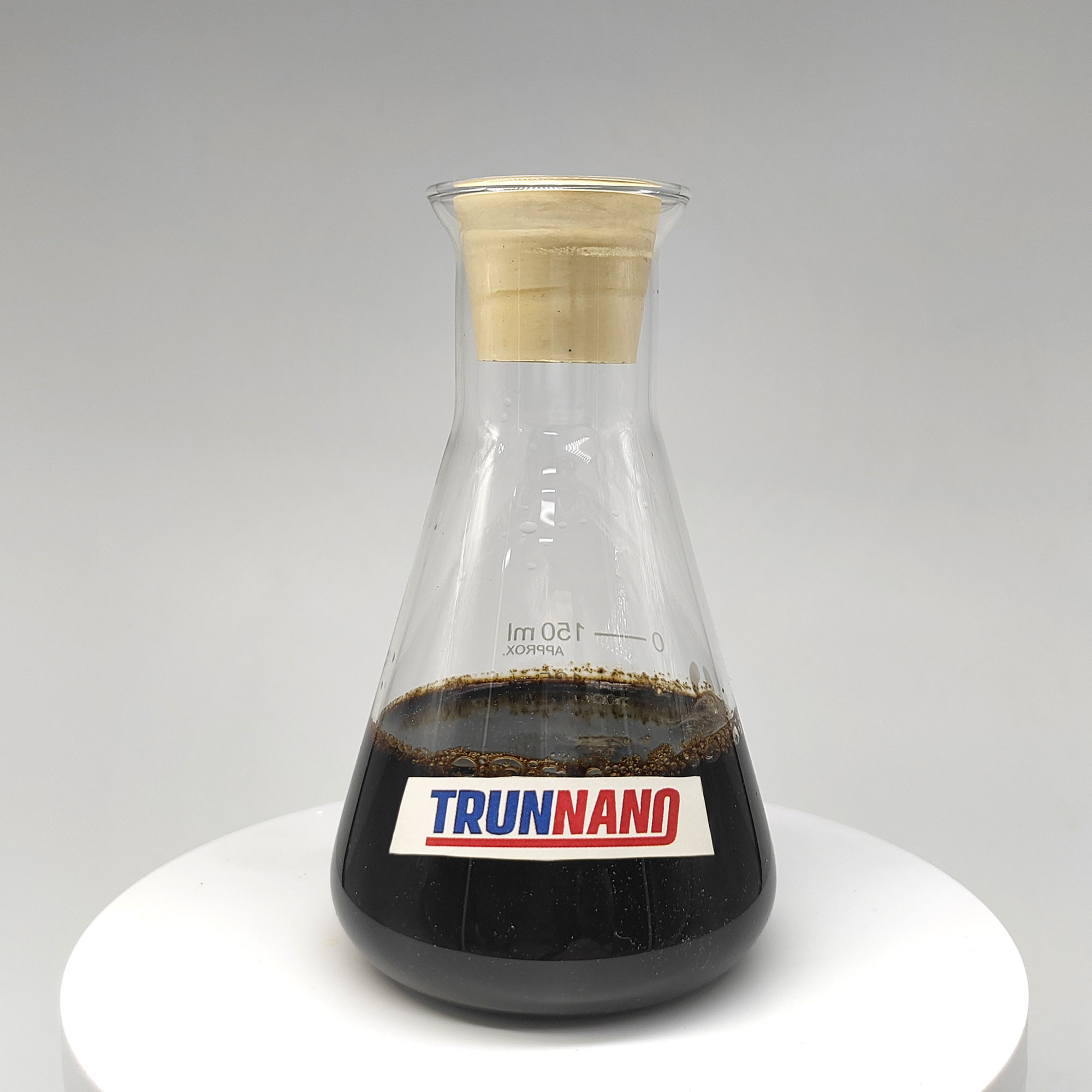
Applications of Mold Release Agent and Concrete Foaming Agent for Construction
Applications of Mold Release Agent and Concrete Foaming Agent in Construction
Mold Release Agent: Smooth Demolding, Better Surfaces
Mold release agents are used to help separate hardened concrete from formwork. Me ka ʻole o lākou, concrete often sticks to molds, causing surface damage or delays. These agents create a thin barrier between the mold and fresh concrete. This makes it easier to remove forms without harming the structure. Builders use them on walls, kolamu, kaola, a me nā mea hana mua. The result is a clean finish that needs little repair. Water-based and oil-based types are both common. Each works well when applied correctly before pouring concrete.
Agena Pua Paa: Lightweight Strength
Concrete foaming agents mix air into cement to produce lightweight concrete. This reduces weight while keeping good strength. It also improves insulation and fire resistance. Workers add the foaming agent to water first, then blend it into the mix. The bubbles stay stable during pouring and curing. This type of concrete is ideal for floor fills, papa hale, pā pā, and road sub-bases. It saves material costs and eases transport and handling. ʻOi aku, it helps meet energy efficiency goals in modern buildings.
Both products support faster work and higher quality results. Mold release agents protect surfaces and speed up form reuse. Foaming agents cut weight and boost performance. Using them right means fewer problems on site and better outcomes for every project. Contractors choose these additives because they solve real issues—sticking forms, heavy pours, rough finishes—and make construction smoother from start to finish.
ʻO ka moʻolelo o ka hui
ʻO mākou ke alakaʻi o ka honua i nā ʻenehana māmā a me nā hoʻonā ʻenehana i hana ʻia. ʻIke ʻia ma ka honua holoʻokoʻa no kāna kūpaʻa i ka noiʻi, mea hou, a me ka ʻike noiʻi, ke hāʻawi nei mākou i nā hoʻonā ʻenehana i hana ʻia mai ka makahiki 2012.
Hiki iā mākou ke hāʻawi aku i ka hoʻohui ʻana i nā mea hoʻohui kiʻekiʻe kiʻekiʻe a me nā huahana pili i ka foam concrete a puni ka honua.
He keʻena ʻenehana ʻoihana a me ka ʻoihana kiaʻi maikaʻi ka hui, he hale hana i hoolako pono ia, a hoʻolako ʻia me nā lako hoʻāʻo kiʻekiʻe a me ke kikowaena lawelawe mea kūʻai aku ma hope o ke kūʻai aku.
Inā hoihoi ʻoe, e ʻoluʻolu a e hoʻokaʻaʻike mai iā mākou.
Uku
T/T, Hui Komohana, Paypal, Kāleka ʻaiʻē etc.
Hoʻouna
Ma ka lewa, ma ke kai, ma ka hoike, e like me ke noi a nā mea kūʻai aku.
5 FAQs of Mold Release Agent and Concrete Foaming Agent for Construction
Nīnau pinepine
What is a mold release agent?
A mold release agent is a product you apply to forms or molds before pouring concrete. It creates a barrier so the hardened concrete does not stick. This makes it easy to remove the form without damaging the surface.
Why use a concrete foaming agent?
A concrete foaming agent adds air bubbles into the mix. This makes the concrete lighter and improves insulation. It also helps the mix flow better, which is useful for filling tight spaces or complex shapes.
Are mold release agents safe for workers?
Most modern mold release agents are water-based and low in odor. They meet safety standards for construction sites. Always check the label and follow instructions. Wear gloves and eye protection when applying them.
Can I use any mold release on all types of forms?
ʻAʻole mau. Some release agents work best with wood, others with steel or plastic. Using the wrong type may cause stains or poor release. Check the product details to match your form material.
How much foaming agent should I add to concrete?
The amount depends on the brand and the result you want. Too little gives no effect. Too much weakens the concrete. Follow the manufacturer’s mixing guide. Start with the recommended dose and adjust only if needed.
NOI I KA PALAPALA
NA HUAKAI PILI
High Stability Synthetic Protein Concrete Foaming Agent for Large Scale Projects
Protein Concrete Foaming Agent for Lightweight Concrete CLC with 95 Percent Cell Closure Rate High Foam Stability
High Stability Protein Surfactant Liquid Concrete Foaming Agent for Foam Concrete
High Expansion Protein Concrete Foaming Agent for Lightweight Concrete in Flood Walls
Kiekie Protein Concrete Foaming Agence no ka High Rise Concrete Pumping