


Gaan nga Concrete Additives | High-Performance Foaming Agents para sa Cellular Concrete

MGA PARAMETER SA PRODUKTO
Deskripsyon
Overview of Monofilament Polypropylene Concrete Fiber for Concrete
Para sa high-impact resistance, kami nagtanyag sa Steel Fibers, usa ka sulundon nga kapuli sa welded wire mesh sa mga salog sa industriya ug mga elemento nga pre-cast. Naghatag usab kami og espesyal nga Structural Synthetic Fibers nga nagtanyag taas nga tensile nga kusog alang sa pagpangayo nga mga aplikasyon. Kini nga mga lanot parehas nga nagkatag sa tibuuk nga pagsagol sa konkreto, paghimo og multi-dimensional nga reinforcement network nga dili makab-ot sa tradisyonal nga mga pamaagi. Kini nga hiniusa nga pamaagi nagpasimple sa pagtukod, nagpadali sa pagbutang, ug nagpalambo sa kinatibuk-ang integridad ug taas nga kinabuhi sa kongkreto, paghatag og moderno nga tubag sa karaan na nga cracking ug durability challenges.
Features of Monofilament Polypropylene Concrete Fiber for Concrete
1. Superior Crack Control ug Gipauswag nga Kalig-on:
Ang nag-unang bahin sa among mga lanot mao ang ilang abilidad sa pagdugtong sa duha ka micro-cracks nga naporma sa panahon sa plastik nga kahimtang ug mas dagkong mga liki sa gahi nga kongkreto.. Kini nga tulo-ka-dimensional nga pagkatibulaag nagmugna sa usa ka mas nagkahiusa nga matrix nga mosukol sa pagpadaghan sa liki. Ang direkta nga benepisyo usa ka hinungdanon nga pagkunhod sa parehas nga pag-urong sa plastik nga pag-crack ug dugay nga gilapdon sa crack. Kini modala ngadto sa usa ka mas lig-on nga konkreto uban sa ubos nga permeability, nga sa baylo makapauswag sa resistensya sa pagsulod sa tubig, kadaot sa freeze-thaw, ug corrosion sa bisan unsa nga nasulod nga asero. Ang resulta mao ang usa ka istruktura nga adunay mas taas nga kinabuhi sa serbisyo ug pagkunhod sa gasto sa pagmentinar.
2. Dugang nga Epekto ug Abrasion Resistance:
Mga lanot, ilabi na ang steel ug lig-on nga sintetikong macro fibers, mahinuklugong nagpauswag sa katig-a sa konkreto ug sa post-crack nga performance. Sila mosuhop ug mo-apod-apod sa enerhiya sa epekto o loading. Kini nga bahin naghatag sa kaayohan sa usa ka labi ka lig-on nga nawong nga dili kaayo dali sa spalling, pag-chipping, ug abrasion ubos sa bug-at nga trapiko o mekanikal nga pagsul-ob. Kini usa ka kritikal nga bentaha alang sa mga salog sa industriya, mga simento sa bodega, ug mga proyekto sa imprastraktura, padulong ngadto sa mas gahi nga pagsul-ob nga nawong nga nagmintinar sa iyang integridad sa paglabay sa panahon.
3. Episyente sa Pagtukod ug Makadaginot sa Gasto:
Usa ka mahinungdanong bahin sa paggamit sa fiber reinforcement mao ang pagwagtang sa welded wire mesh (WWF) sa daghang mga aplikasyon. Naghatag kini daghang mga benepisyo sa site: gipasayon niini ang pagbutang, kay walay mata nga ibutang o posibleng mabalhin, ug kini nagpadali sa tibuok proseso sa pagtukod. Pinaagi sa pagtangtang sa usa ka labor-intensive nga lakang, makita sa mga proyekto ang pagkunhod sa gasto sa pagtrabaho ug mas paspas nga mga timeline sa proyekto. Ang uniporme nga pag-apod-apod sa mga lanot nagsiguro usab nga makanunayon nga pagpalig-on sa tibuuk nga seksyon sa konkreto, dili sama sa mesh, nga mahimong dili husto nga ibutang, padulong ngadto sa mas kasaligan ug matag-an nga performance.

Specification of Monofilament Polypropylene Concrete Fiber for Concrete
Monofilament Polypropylene Concrete Fiber– Mga Kinahanglanon sa Produkto
Product and Framework
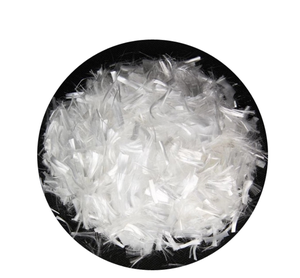
Kini nga lanot gihimo gikan sa 100% ulay nga polypropylene. It has a monofilament framework, meaning each strand is a solitary continuous filament. The surface area is slightly textured to aid it bond much better with concrete. No additives or recycled material are made use of in manufacturing.
Pisikal nga mga Hiyas
The fiber appears white or beige in color. Its size varies from 18 sa 32 micron. Tensile toughness goes to least 450 MPa. The flexible modulus is around 3.5 GPa. Ang hinungdan sa pagkatunaw anaa sa palibot 165 ° C. The fibers are immune to antacids, mga asido, and various other chemicals commonly located in concrete environments.
Available Lengths
Criterion sizes include 6 mm, 12 mm, 19 mm, ug 38 mm. Personalized sizes can be supplied upon request for details job requirements.
Usage and Dose
These fibers are combined directly right into concrete during batching. Normal dose prices vary from 0.6 kg/m three to 1.0 kg/m upat. Higher dosages might be used for applications requiring greater crack control. The fibers disperse evenly throughout the mix and do not glob when proper blending procedures are followed.
Mga Perks sa Pagganap
Including these fibers helps in reducing plastic contraction fractures in fresh concrete. They also boost effect resistance and strength in solidified concrete. While they do not change architectural steel reinforcement, they serve as second reinforcement to manage fracturing and boost longevity.
Pagputos ug Pagdumala sa produkto
Fibers come in moisture-resistant polyethylene bags. Ang matag bag naghupot 0.6 kg o 1.0 kg of fiber. Shop in a dry area away from straight sunlight. Maintain bags secured up until ready for use to stop moisture absorption.
Pagsunod
This product satisfies ASTM C1116/C1116M criteria for synthetic fibers in concrete. It likewise adheres to EN 14889-2 for fibrillated and monofilament polypropylene fibers made use of in construction.
Applications of Monofilament Polypropylene Concrete Fiber for Concrete
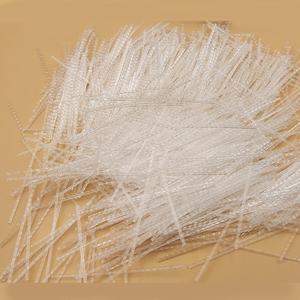
Applications of Monofilament Polypropylene Concrete Fiber
Why Make Use Of Monofilament Polypropylene Fibers?
Monofilament polypropylene concrete fibers are included in concrete blends to boost performance. These synthetic fibers assist manage fracturing brought on by plastic shrinking. They additionally improve impact resistance and decrease surface area spalling. The fibers blend quickly into concrete without clumping. They work well in both wet and dry mix processes.
Kasagaran nga Gigamit sa Pagtukod
These fibers are commonly used in residential and business projects. You will certainly discover them in slabs-on-grade, mga agianan sa agianan, mga agianan, and patio areas. They are also made use of in commercial floors, storehouse pieces, ug parking frameworks. Due to the fact that they improve resilience, they fit locations with hefty foot or lorry web traffic.
In shotcrete applications– like tunnel linings, slope stabilization, ug pool– monofilament fibers add sturdiness. They assist the concrete hold together under anxiety. This makes repair services much easier and extends life span.
Advantages for Precast and Tilt-Up Panels
Precast concrete aspects commonly consist of these fibers to avoid splits during handling and transportation. Tilt-up wall surface panels profit also. The fibers lower damage from effects and thermal adjustments. This leads to fewer repair work on site and cleaner finishes.
Use in Stonework and Stucco
Masons use monofilament polypropylene fibers in stucco and plaster mixes. The fibers limit hairline splits and boost cohesion. This leads to smoother surfaces and much better lasting look. They also aid stucco remain undamaged during small building motions.
Security and Sustainability
These fibers are non-corrosive and chemically inert. They do not respond with concrete or other ingredients. That suggests they last as lengthy as the concrete itself. They likewise sustain lasting structure by reducing fixing demands and material waste. Service providers appreciate their simplicity of use and regular results across jobs.
Profile sa Kompanya
Kami ang global nga lider sa lightweight nga kongkreto ug advanced engineered foam nga mga solusyon. Nailhan sa tibuok kalibutan tungod sa pasalig niini sa panukiduki, kabag-ohan, ug gigamit nga kahanas, Naghatag kami og engineered foam nga mga solusyon sukad sa sayong bahin sa 2012.
Makahatag kami og taas nga kalidad nga konkretong admixture ug foam concrete related nga mga produkto sa tibuok kalibutan.
Ang kompanya adunay usa ka propesyonal nga departamento sa teknikal ug departamento sa pagdumala sa kalidad, usa ka laboratoryo nga nasangkapan pag-ayo, ug nasangkapan sa advanced testing equipment ug after-sales customer service center.
Kung interesado ka, palihug mobati nga gawasnon ug kontaka kami.
Bayad
T/T, Western Union, Paypal, Credit Card ug uban pa.
Pagpadala
Pinaagi sa hangin, pinaagi sa dagat, pinaagi sa express, ingon sa gihangyo sa mga kustomer.

5 FAQs of Monofilament Polypropylene Concrete Fiber for Concrete
Frequently Asked Questions About Monofilament Polypropylene Concrete Fiber
What is monofilament polypropylene concrete fiber?
This fiber is a single-strand synthetic material made from polypropylene. Builders mix it into concrete to help control cracking. It is thin, flexible, and evenly distributed throughout the concrete mix.
Nganong idugang kini nga lanot sa konkreto?
Ang konkreto mahimong moliki samtang kini mouga o ubos sa stress. The fiber helps hold the concrete together when small cracks start to form. This improves durability and reduces surface damage over time. It also makes the concrete more resistant to impact and wear.
Pila ka fiber ang akong gamiton?
Ang husto nga kantidad nagdepende sa imong proyekto. Kadaghanan sa mga pagsagol naggamit sa taliwala 0.5 sa 1.5 pounds of fiber per cubic yard of concrete. Sunda kanunay ang mga instruksyon sa tiggama. Too little may not help. Too much can make mixing difficult.
Can I use this fiber with other additives?
Oo. This fiber works well with common concrete additives like water reducers, air entrainers, and superplasticizers. Just make sure to mix everything properly. Add the fiber during the early mixing stage so it spreads evenly.
Does this fiber replace steel reinforcement?
Dili. This fiber is not a substitute for rebar or welded wire mesh in structural applications. It mainly controls plastic shrinkage cracks and improves surface toughness. Use it alongside traditional reinforcement when both are needed. It adds extra protection but does not carry structural loads.
PANGAYO UG KUTIL
KAUGNAY NGA MGA PRODUKTO

12mm PVA Fibres POM UHPC Synthetic Concrete Fiber Precast Concrete Construction House Material PVA Fiber
PP Fiber 6 mm para sa Concrete Cement Additive Diameter 20 ug PP fibers
Customized Industry 12mm Concrete Reinforcing White Monofilament Polypropylene Concrete Fiber
Taas nga kalidad nga Micro fibers Steel Macro fibers Flat Crimped Steel Fibers Reinforced s Concrete
Pva polyvinyl alkohol taas nga kusog taas nga modulus fiber 3-18mm vinylon semento konkreto
