Aditivonan di Beton Lihé | Agentenan di Spuma di Haltu Rendimentu pa Beton Selular

PARAMETRONAN DI PRODUKTO
Deskripshon
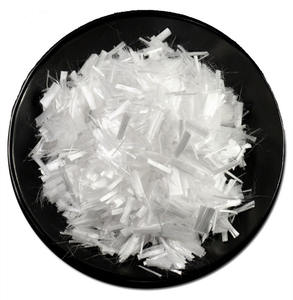
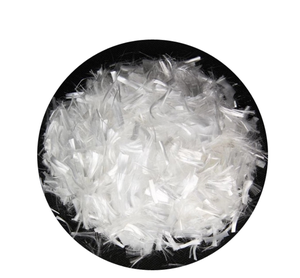
Overview of Monofilament Polypropylene Concrete Fiber for Concrete
Pa resistensia di impakto haltu, nos ta ofresé Fibranan di Staal, un remplaso ideal pa waya weldá den vloernan industrial i elementonan pre-fundi. Nos ta proveé tambe Fibranan Sintétiko Struktural spesialisá ku ta ofresé un resistensia haltu na trakshon pa aplikashonnan eksigente. E fibranan aki ta dispersá uniformemente den henter e meskla di beton, kreando un ret di refuerso multidimenshonal ku métodonan tradishonal no por logra. E aserkamentu integral aki ta simplifiká konstrukshon, ta aselerá ponementu, i ta mehorá e integridat i durashon general di e beton, dunando un kontesta moderno na retonan di krakamentu i durabilidat di hopi tempu.
Features of Monofilament Polypropylene Concrete Fiber for Concrete
1. Kontrol di Krak Superior i Durabilidat Mehorá:
E karakterístika prinsipal di nos fibranan ta nan abilidat pa stòp tantu mikro-kraknan ku ta forma durante e estado di plèstik komo kraknan mas grandi den beton duru. E dispershon tridimenshonal aki ta krea un matris mas kohesivo ku ta resistí propagashon di krak. E benefisio direkto ta un redukshon signifikante den tantu e rankamentu di enkohimentu di plèstik komo e hanchura di e rankamentu a largu plaso. Esaki ta kondusí na un beton muchu mas duradero ku un permeabilidat mas abou, ku na su turno ta mehorá resistensia na entrada di awa, daño di vries-deskongelá, i koroshon di kualke staal inkorporá. E resultado ta un struktura ku un bida di servisio mas largu i gastunan di mantenshon redusí.
2. Oumento di Impakto i Resistensia na Abrashon:
Fibranan, partikularmente staal i fibranan makro sintétiko robusto, mehorá drástikamente e resistensia di e beton i e rendimentu despues di krak. Nan ta apsorbé i distribuí energia ora di impakto òf karga. E karakterístika aki ta proveé e benefisio di un superfisie mas resistente ku ta ménos propenso na spalling, chipping, i abrashon bou di tráfiko pisá òf desgaste mekaniko. Esaki ta un bentaha krítiko pa pisonan industrial, acera di depósito, i proyektonan di infrastruktura, kondusí na un superfisie ku ta dura mas duru ku ta mantené su integridat den transkurso di tempu.
3. Efisiensia di Konstrukshon i Spaarmentu di Gasto:
Un karakterístika klave di uso di refuerso di fibra ta e eliminashon di waya weldá (WWF) den hopi aplikashon. Esaki ta proveé benefisionan inmenso na e sitio: e ta simplifiká ponementu, komo ku no tin un malla pa wòrdu lanta òf potensialmente desplasá, i e ta aselerá henter e proseso di konstrukshon. Dor di kita un paso ku ta rekerí hopi labor, proyektonan ta mira gastunan di labor redusí i liñanan di tempu di proyekto mas lihé. E distribushon uniforme di fibranan tambe ta garantisá refuerso konsistente den henter e sekshon di beton, kontrali na mesh, ku por wòrdu poné inkorekto, kondusiendo na un rendimentu mas konfiabel i previsibel.

Specification of Monofilament Polypropylene Concrete Fiber for Concrete
Monofilament Polypropylene Concrete Fiber– Rekisitonan di Produkto
Product and Framework
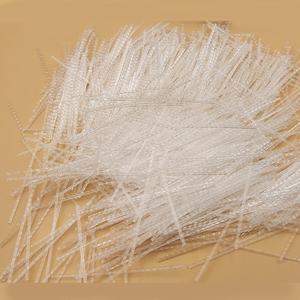
This fiber is made from 100% polipropileno bírgen. It has a monofilament framework, meaning each strand is a solitary continuous filament. The surface area is slightly textured to aid it bond much better with concrete. No additives or recycled material are made use of in manufacturing.
Kalidatnan Físiko
The fiber appears white or beige in color. Its size varies from 18 pa 32 mikron. Tensile toughness goes to least 450 MPa. E módulo fleksibel ta alrededor di 3.5 GPa. Faktor di smelt ta alrededor di 165 ° C. The fibers are immune to antacids, asidonan, and various other chemicals commonly located in concrete environments.
Available Lengths
Criterion sizes include 6 mm, 12 mm, 19 mm, i 38 mm. Personalized sizes can be supplied upon request for details job requirements.
Usage and Dose
These fibers are combined directly right into concrete during batching. Normal dose prices vary from 0.6 kg/m tres pa 1.0 kg/m kuater. Higher dosages might be used for applications requiring greater crack control. The fibers disperse evenly throughout the mix and do not glob when proper blending procedures are followed.
Benefisionan di Rendimentu
Including these fibers helps in reducing plastic contraction fractures in fresh concrete. They also boost effect resistance and strength in solidified concrete. While they do not change architectural steel reinforcement, they serve as second reinforcement to manage fracturing and boost longevity.
Empaketamentu i Maneho di produkto
Fibers come in moisture-resistant polyethylene bags. Kada tas ta karga 0.6 kg òf 1.0 kg of fiber. Shop in a dry area away from straight sunlight. Maintain bags secured up until ready for use to stop moisture absorption.
Kumplimentu
This product satisfies ASTM C1116/C1116M criteria for synthetic fibers in concrete. It likewise adheres to EN 14889-2 for fibrillated and monofilament polypropylene fibers made use of in construction.
Applications of Monofilament Polypropylene Concrete Fiber for Concrete
Applications of Monofilament Polypropylene Concrete Fiber
Why Make Use Of Monofilament Polypropylene Fibers?
Monofilament polypropylene concrete fibers are included in concrete blends to boost performance. These synthetic fibers assist manage fracturing brought on by plastic shrinking. They additionally improve impact resistance and decrease surface area spalling. The fibers blend quickly into concrete without clumping. They work well in both wet and dry mix processes.
Komun Ta Hasi Uso Di den Konstrukshon
These fibers are commonly used in residential and business projects. You will certainly discover them in slabs-on-grade, kamindanan di outo, trayektonan, and patio areas. They are also made use of in commercial floors, storehouse pieces, i kuadro di parker. Due to the fact that they improve resilience, they fit locations with hefty foot or lorry web traffic.
Den aplikashonnan di shotcrete– like tunnel linings, stabilisashon di slope, e pisina– monofilament fibers add sturdiness. They assist the concrete hold together under anxiety. This makes repair services much easier and extends life span.
Advantages for Precast and Tilt-Up Panels
Precast concrete aspects commonly consist of these fibers to avoid splits during handling and transportation. Tilt-up wall surface panels profit also. The fibers lower damage from effects and thermal adjustments. This leads to fewer repair work on site and cleaner finishes.
Use in Stonework and Stucco
Masons use monofilament polypropylene fibers in stucco and plaster mixes. The fibers limit hairline splits and boost cohesion. This leads to smoother surfaces and much better lasting look. They also aid stucco remain undamaged during small building motions.
Security and Sustainability
These fibers are non-corrosive and chemically inert. They do not respond with concrete or other ingredients. That suggests they last as lengthy as the concrete itself. They likewise sustain lasting structure by reducing fixing demands and material waste. Service providers appreciate their simplicity of use and regular results across jobs.
Profil di e kompania
Nos ta e lider mundial den beton lihé i solushonnan avansá di foam di ingenieria. Konosí mundialmente pa su kompromiso ku investigashon, inovashon, i ekspertisio apliká, nos a bin ta proveé solushonnan di foam di ingenieria for di kuminsamentu di 2012.
Nos por suministrá produktonan relashoná ku beton di kalidat haltu i beton di foam tur kaminda na mundu.
E kompania tin un departamentu tékniko profeshonal i un departamentu di supervishon di kalidat, un laboratorio bon ekipá, i ekipá ku ekipo di tèst avansá i sentro di servisio na kliente despues di benta.
Si bo ta interesá, por fabor sinti bo liber i tuma kontakto ku nos.
Pago
T/T, Western Union, Paypal, Tarheta di krédito etc.
Envio
Pa medio di aire, pa laman, pa ekspresá, manera klientenan ta pidi.

5 FAQs of Monofilament Polypropylene Concrete Fiber for Concrete
Frequently Asked Questions About Monofilament Polypropylene Concrete Fiber
What is monofilament polypropylene concrete fiber?
This fiber is a single-strand synthetic material made from polypropylene. Builders mix it into concrete to help control cracking. It is thin, flèksibel, and evenly distributed throughout the concrete mix.
Dikon agregá e fibra aki na beton?
Beton por kibra segun ku e ta seku òf bou di tenshon. The fiber helps hold the concrete together when small cracks start to form. This improves durability and reduces surface damage over time. It also makes the concrete more resistant to impact and wear.
Kuantu fibra mi mester usa?
E kantidat korekto ta dependé di bo proyekto. Mayoria di e mesklanan ta usa entre 0.5 pa 1.5 pounds of fiber per cubic yard of concrete. Semper sigui e instrukshonnan di e fabrikante. Muchu tiki kisas no ta yuda. Too much can make mixing difficult.
Can I use this fiber with other additives?
Si. This fiber works well with common concrete additives like water reducers, air entrainers, i superplastifikadónan. Just make sure to mix everything properly. Add the fiber during the early mixing stage so it spreads evenly.
E fibra aki ta remplasá refuerso di staal?
No. E fibra aki no ta un sustituto pa rebar òf waya weldá den aplikashonnan struktural. It mainly controls plastic shrinkage cracks and improves surface toughness. Use it alongside traditional reinforcement when both are needed. It adds extra protection but does not carry structural loads.
PIDI UN SITA
PRODUKTONAN RELASHONÁ

500Mpa Synthetic Polypropylene Staple Fiber Macro Concrete Fibers PP Fiber for Concrete

Fibra di beton di polipropileno PP pa beton mehorá e resistensia na enkohimentu
Fibranan di staal pa beton ku diameter 0.70mm,largura 30mm i resistensia na trakshon 1100MPa

Bar di Glas di GFRP di Haltu Rendimentu Fibra di Rebar Epoxy Composite pa Refuerso di Beton

High performance gfrp bar glass fiber rebar epoxy composite fiberglass rebar for concrete reinforcement