Lightweight Nja Additives | Awọn aṣoju Fọmu Iṣe-giga fun Nja Cellular

Ọja parameters
Apejuwe
Overview of Monofilament Polypropylene Concrete Fiber for Concrete
Fun ga-ipa resistance, ti a nse Irin Awọn okun, rirọpo pipe fun apapo okun waya welded ni awọn ilẹ ipakà ile-iṣẹ ati awọn eroja ti a ti sọ tẹlẹ. A tun pese awọn Fibers Sintetiki Igbekale pataki ti o funni ni agbara fifẹ giga fun awọn ohun elo ibeere. Awọn wọnyi ni awọn okun ti wa ni iṣọkan tuka jakejado nja illa, ṣiṣẹda nẹtiwọọki imuduro onisẹpo pupọ ti awọn ọna ibile ko le ṣaṣeyọri. Yi ese ona simplifies ikole, accelerates placement, ati ki o mu awọn ìwò iyege ati longevity ti awọn nja, pese idahun ode oni si jija ti ọjọ-ori ati awọn italaya agbara.
Features of Monofilament Polypropylene Concrete Fiber for Concrete
1. Iṣakoso Crack ti o ga julọ ati Imudara Imudara:
Ẹya akọkọ ti awọn okun wa ni agbara wọn lati ṣe afara mejeeji awọn dojuijako micro-cracks ti o dagba lakoko ipo ṣiṣu ati awọn dojuijako nla ni kọnkiti lile.. Pipin onisẹpo onisẹpo mẹta yii ṣẹda matrix isokan diẹ sii ti o tako itankale kiraki. Anfaani taara jẹ idinku pataki ninu jija ṣiṣu isunki mejeeji ati iwọn kiraki igba pipẹ. Eleyi nyorisi kan Elo diẹ ti o tọ nja pẹlu kekere permeability, eyi ti o ni Tan mu resistance si omi ingress, di-thaw bibajẹ, ati ipata ti eyikeyi ifibọ irin. Abajade jẹ eto pẹlu igbesi aye iṣẹ to gun ati awọn idiyele itọju dinku.
2. Ikolu ti o pọ si ati Resistance Abrasion:
Awọn okun, paapa irin ati ki o logan sintetiki Makiro awọn okun, bosipo mu awọn nja ká toughness ati ranse si-crack iṣẹ. Wọn fa ati pinpin agbara lori ipa tabi ikojọpọ. Ẹya ara ẹrọ yii n pese anfani ti aaye ti o ni atunṣe diẹ sii ti o kere si itọpa, chipping, ati abrasion labẹ eru ijabọ tabi darí yiya. Eyi jẹ anfani pataki fun awọn ilẹ ipakà ile-iṣẹ, ile ise pavements, ati amayederun ise agbese, ti o yori si aaye ti o ni wiwọ lile ti o ṣetọju iduroṣinṣin rẹ ni akoko pupọ.
3. Ṣiṣe Ikole ati Awọn ifowopamọ iye owo:
Ẹya bọtini kan ti lilo imuduro okun ni imukuro ti apapo waya welded (WWF) ni ọpọlọpọ awọn ohun elo. Eyi pese awọn anfani nla lori aaye: o simplifies placement, bi ko si apapo lati wa ni ṣeto soke tabi oyi nipo, ati awọn ti o accelerates gbogbo ikole ilana. Nipa yiyọ igbese-lekoko kan laala, ise agbese wo dinku laala owo ati yiyara ise agbese timelines. Pipin iṣọkan ti awọn okun tun ṣe idaniloju imuduro ibamu jakejado gbogbo apakan nja, ko apapo, eyi ti o le wa ni aibojumu gbe, yori si siwaju sii gbẹkẹle ati ki o asọtẹlẹ išẹ.

Specification of Monofilament Polypropylene Concrete Fiber for Concrete
Monofilament Polypropylene Concrete Fiber– Ọja ibeere
Product and Framework
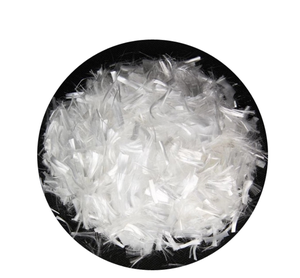
Eleyi okun ti wa ni se lati 100% wundia polypropylene. It has a monofilament framework, meaning each strand is a solitary continuous filament. The surface area is slightly textured to aid it bond much better with concrete. No additives or recycled material are made use of in manufacturing.
Awọn agbara ti ara
The fiber appears white or beige in color. Its size varies from 18 si 32 microns. Tensile toughness goes to least 450 MPa. The flexible modulus is around 3.5 GPA. Melting factor is around 165 ° C. The fibers are immune to antacids, awọn acids, and various other chemicals commonly located in concrete environments.
Available Lengths
Criterion sizes include 6 mm, 12 mm, 19 mm, ati 38 mm. Personalized sizes can be supplied upon request for details job requirements.
Usage and Dose
These fibers are combined directly right into concrete during batching. Normal dose prices vary from 0.6 kg/m three to 1.0 kg/m mẹrin. Higher dosages might be used for applications requiring greater crack control. The fibers disperse evenly throughout the mix and do not glob when proper blending procedures are followed.
Awọn anfani iṣẹ
Including these fibers helps in reducing plastic contraction fractures in fresh concrete. They also boost effect resistance and strength in solidified concrete. While they do not change architectural steel reinforcement, they serve as second reinforcement to manage fracturing and boost longevity.
Ọja apoti ati mimu
Fibers come in moisture-resistant polyethylene bags. Kọọkan apo dimu 0.6 kg tabi 1.0 kg ti okun. Shop in a dry area away from straight sunlight. Maintain bags secured up until ready for use to stop moisture absorption.
Ibamu
This product satisfies ASTM C1116/C1116M criteria for synthetic fibers in concrete. It likewise adheres to EN 14889-2 for fibrillated and monofilament polypropylene fibers made use of in construction.
Applications of Monofilament Polypropylene Concrete Fiber for Concrete
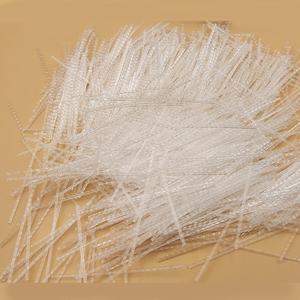
Applications of Monofilament Polypropylene Concrete Fiber
Why Make Use Of Monofilament Polypropylene Fibers?
Monofilament polypropylene concrete fibers are included in concrete blends to boost performance. These synthetic fibers assist manage fracturing brought on by plastic shrinking. They additionally improve impact resistance and decrease surface area spalling. The fibers blend quickly into concrete without clumping. They work well in both wet and dry mix processes.
Common Makes Use Of in Construction
These fibers are commonly used in residential and business projects. You will certainly discover them in slabs-on-grade, awọn ọna opopona, awọn ipa ọna, ati awọn agbegbe patio. They are also made use of in commercial floors, awọn ege ile itaja, ati pa nílẹ. Due to the fact that they improve resilience, they fit locations with hefty foot or lorry web traffic.
Ni shotcrete ohun elo– like tunnel linings, imuduro ite, ati adagun– monofilament fibers add sturdiness. They assist the concrete hold together under anxiety. This makes repair services much easier and extends life span.
Advantages for Precast and Tilt-Up Panels
Precast concrete aspects commonly consist of these fibers to avoid splits during handling and transportation. Tilt-up wall surface panels profit also. The fibers lower damage from effects and thermal adjustments. This leads to fewer repair work on site and cleaner finishes.
Use in Stonework and Stucco
Masons use monofilament polypropylene fibers in stucco and plaster mixes. The fibers limit hairline splits and boost cohesion. This leads to smoother surfaces and much better lasting look. They also aid stucco remain undamaged during small building motions.
Security and Sustainability
Awọn okun wọnyi kii ṣe ibajẹ ati inert kemikali. They do not respond with concrete or other ingredients. That suggests they last as lengthy as the concrete itself. They likewise sustain lasting structure by reducing fixing demands and material waste. Service providers appreciate their simplicity of use and regular results across jobs.
Ifihan ile ibi ise
A jẹ oludari agbaye ni nja iwuwo fẹẹrẹ ati awọn solusan foomu ti ilọsiwaju. Ti a mọ ni agbaye fun ifaramo rẹ si iwadii, imotuntun, ati ki o loo ĭrìrĭ, a ti n pese awọn solusan foomu ti a ṣe atunṣe lati ibẹrẹ 2012's.
A le pese admixture nja to gaju ati awọn ọja ti o ni ibatan foomu ni gbogbo agbaye.
Ile-iṣẹ naa ni ẹka imọ-ẹrọ ọjọgbọn ati ẹka abojuto didara, yàrá ti o ni ipese daradara, ati ipese pẹlu to ti ni ilọsiwaju igbeyewo ẹrọ ati lẹhin-tita onibara iṣẹ aarin.
Ti o ba nife, jọwọ lero free ati ki o kan si wa.
Isanwo
T/T, Western Union, Paypal, Kaadi Kirẹditi ati bẹbẹ lọ.
Gbigbe
Nipa afẹfẹ, nipa okun, nipa kiakia, bi awọn onibara beere.

5 FAQs of Monofilament Polypropylene Concrete Fiber for Concrete
Frequently Asked Questions About Monofilament Polypropylene Concrete Fiber
What is monofilament polypropylene concrete fiber?
This fiber is a single-strand synthetic material made from polypropylene. Builders mix it into concrete to help control cracking. It is thin, rọ, and evenly distributed throughout the concrete mix.
Kí nìdí fi yi okun to nja?
Nja le kiraki bi o ti gbẹ tabi labẹ wahala. The fiber helps hold the concrete together when small cracks start to form. This improves durability and reduces surface damage over time. It also makes the concrete more resistant to impact and wear.
Elo okun yẹ ki Mo lo?
Awọn ọtun iye da lori rẹ ise agbese. Pupọ awọn apopọ lo laarin 0.5 si 1.5 pounds of fiber per cubic yard of concrete. Nigbagbogbo tẹle awọn ilana olupese. Diẹ diẹ le ma ṣe iranlọwọ. Too much can make mixing difficult.
Ṣe Mo le lo okun yii pẹlu awọn afikun miiran?
Bẹẹni. This fiber works well with common concrete additives like water reducers, air entrainers, ati superplasticizers. Just make sure to mix everything properly. Add the fiber during the early mixing stage so it spreads evenly.
Ṣe okun yii rọpo imuduro irin?
Rara. Okun yii kii ṣe aropo fun rebar tabi apapo waya welded ni awọn ohun elo igbekalẹ. It mainly controls plastic shrinkage cracks and improves surface toughness. Use it alongside traditional reinforcement when both are needed. It adds extra protection but does not carry structural loads.
BERE ORO
Awọn ọja ti o jọmọ
Factory Whole High quality cheap basalt fiber chopped strand for asphalt concrete pavement

12mm Reinforcement Concrete Use Polypropylene PP Fiber

Fiber Nja Sintetiki Makiro Imudara Nja Alka giga Resistance PP Makiro Fiber fun Eto Ilẹ

Long Service Life Viscose Nja Fiber Felt Erogba Da

OEM polypropylene okun fun nja fikun okun pp bulọọgi okun pẹlu kekere