Te mau tao'a tahi mâmâ | Te mau rave'a haaparareraa parau teitei no te cellular concrete

TE MAU PARAMETERS
Tuʻaroʻa
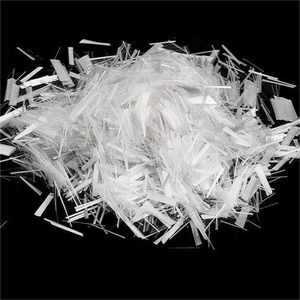
Overview of Monofilament Polypropylene Concrete Fiber for Concrete
No te pato'iraa rahi, te horo'a nei matou i te mau hu'ahu'a Steel, te hoê monoraa maitai roa no te mau uira arapoa i ni'a i te tahua fare hamaniraa tauihaa e te mau hu'ahu'a. Te horoa atoa nei matou i te mau hu'ahu'a Synthetic taa ê o te horoa i te puai rahi no te mau faaohiparaa fifi. E parare hoê â teie mau hu'ahu'a i roto i te amuiraa sima, te haamauraa i te hoê faanahoraa haapuairaa rahi o te ore e nehenehe e ravehia e te mau rave'a anamua. Na teie faanahoraa taa ê e faaohie i te paturaa, haavitiviti te tuuraa, e te haamaitai i te taiva ore e te oraraa roa o te raima, Te horo'araa i te hoê pahonoraa apî i te mau fifi o te mau fifi tahito e te mau fifi.
Features of Monofilament Polypropylene Concrete Fiber for Concrete
1. Te faatereraa hau a'e e te vai - maitai - raa:
Te huru matamua o to tatou mau hu'ahu'a, o to ratou ïa aravihi no te faatumu i ni'a i te mau hu'ahu'a iti e tupu mai i roto i te huru hu'ahu'a e te mau hu'ahu'a rahi a'e i roto i te raima. E faatupu teie purara e toru ahu i te hoê matrix taa ê a'e o te pato'i i te parareraa o te mau hu'ahu'a. Te maitai ti'a'tu, o te hoê ïa faaitiraa rahi i te mau hu'ahu'a hu'ahu'a e te rahi o te hu'ahu'a. E faatupu te reira i te hoê raima papû a'e e te iti a'e o te permeability, o te faarahi ïa i te aravihi no te patoi i te pape, Te faainoraa, e te vavahiraa o te mau fetia atoa. Te faahopearaa, o te hoê ïa haamauraa e oraraa taviniraa roa a'e e te haamau'araa iti a'e.
2. Te faarahiraa o te mau faahopearaa e te patoiraa i te abrasion:
Te mau hu'ahu'a, i te pae iho â râ o te mau hu'ahu'a macro e te mau hu'ahu'a macro, ia haamaitai rahi i te etaeta o te raima e te ha'utiraa i muri mai i te reira. E huti ratou e e opere ratou i te ito i muri a'e i te mau faahopearaa aore ra te mau hopoia. E horoa teie huru i te maitai o te hoê mata etaeta a'e o te ore e nehenehe e vavahi, chipping, e te vavahiraa i raro a'e i te pereoo uira rahi aore ra i te mau ahu matini. E tuhaa faufaa roa teie no te mau tahua hamaniraa tauihaa, Te mau purumu no te fare vairaa tauihaa, e te mau opuaraa paturaa, e arata'i atu i ni'a i te hoê vahi etaeta a'e o te tape'a i to'na haapa'o maitai i te roaraa o te taime.
3. Te aravihi no te paturaa i te fare e te haaputuputuraa moni:
Te hoê tuhaa rahi o te faaohiparaa i te mau hu'ahu'a, o te faaoreraa ïa i te mau arapoa (WWF) i roto i te mau faaohiparaa e rave rahi. E horo'a te reira i te mau maitai rahi i ni'a i te tahua itenati: te faaohie nei te reira i te tuuraa, no te mea ho'i e, aita e upe'a no te haamau e aore râ, no te faaru'e, e te haavitiviti te reira i te taatoaraa o te ohipa paturaa. Na roto i te iritiraa i te hoê taahiraa ohipa rahi, Te ite nei te mau opuaraa i te mau haamâu'araa no te ohipa e te mau taime vitiviti a'e. Te haapapu atoa ra te tufaraa hoê â o te mau hu'ahu'a i te hoê haapuairaa tamau i roto i te tuhaa raima taatoa, taa ê atu i te mesh, o te nehenehe e tuuhia i nia i te vahi tano ore, e arata'i atu i te hoê ha'utiraa e ti'aturihia a'e e e nehenehe e tohuhia.

Specification of Monofilament Polypropylene Concrete Fiber for Concrete
Monofilament Polypropylene Concrete Fiber– Te mau titauraa no te mau tao'a
Te mau tao'a e te hoho'a
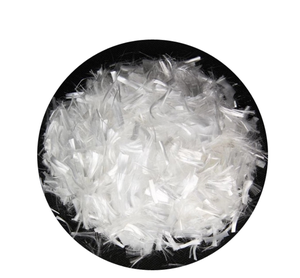
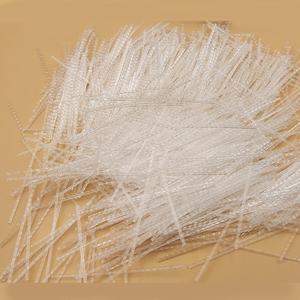
This fiber is made from 100% polypropylene tamahine. It has a monofilament framework, meaning each strand is a solitary continuous filament. The surface area is slightly textured to aid it bond much better with concrete. No additives or recycled material are made use of in manufacturing.
Te mau huru o te tino
The fiber appears white or beige in color. Its size varies from 18 a 32 microns. Tensile toughness goes to least 450 MPa. The flexible modulus is around 3.5 GPa. Te vai ra te melting 165 ° C. The fibers are immune to antacids, Te mau ati, and various other chemicals commonly located in concrete environments.
Available Lengths
Criterion sizes include 6 mm, 12 mm, 19 mm, e 38 mm. Personalized sizes can be supplied upon request for details job requirements.
Usage and Dose
These fibers are combined directly right into concrete during batching. Normal dose prices vary from 0.6 kg/m three to 1.0 kg/m four. Higher dosages might be used for applications requiring greater crack control. The fibers disperse evenly throughout the mix and do not glob when proper blending procedures are followed.
Te mau ha'utiraa
Including these fibers helps in reducing plastic contraction fractures in fresh concrete. They also boost effect resistance and strength in solidified concrete. While they do not change architectural steel reinforcement, they serve as second reinforcement to manage fracturing and boost longevity.
Te tapo'iraa e te faaohiparaa i te mau tao'a
Fibers come in moisture-resistant polyethylene bags. E tapea te mau pute atoa 0.6 kg e aore râ 1.0 kg o te hu'ahu'a. Shop in a dry area away from straight sunlight. Maintain bags secured up until ready for use to stop moisture absorption.
Ha'apa'ape'ōfa'i
This product satisfies ASTM C1116/C1116M criteria for synthetic fibers in concrete. E pee atoa te reira i te EN 14889-2 for fibrillated and monofilament polypropylene fibers made use of in construction.
Applications of Monofilament Polypropylene Concrete Fiber for Concrete
Applications of Monofilament Polypropylene Concrete Fiber
Why Make Use Of Monofilament Polypropylene Fibers?
Monofilament polypropylene concrete fibers are included in concrete blends to boost performance. These synthetic fibers assist manage fracturing brought on by plastic shrinking. They additionally improve impact resistance and decrease surface area spalling. The fibers blend quickly into concrete without clumping. They work well in both wet and dry mix processes.
E faaohipa-pinepine-hia te reira i roto i te ohipa paturaa
These fibers are commonly used in residential and business projects. You will certainly discover them in slabs-on-grade, Te mau e'a pereoo, e'a, e te mau vahi patio. They are also made use of in commercial floors, Te mau hu'ahu'a o te fare vairaa tauihaa, and parking frameworks. Due to the fact that they improve resilience, they fit locations with hefty foot or lorry web traffic.
I roto i te mau faaohiparaa– like tunnel linings, te tape'araa i te hi'opo'araa, and pool– monofilament fibers add sturdiness. They assist the concrete hold together under anxiety. This makes repair services much easier and extends life span.
Te mau maitai no te mau hoho'a Precast e Tilt-Up
Precast concrete aspects commonly consist of these fibers to avoid splits during handling and transportation. Tilt-up wall surface panels profit also. The fibers lower damage from effects and thermal adjustments. This leads to fewer repair work on site and cleaner finishes.
Use in Stonework and Stucco
Masons use monofilament polypropylene fibers in stucco and plaster mixes. The fibers limit hairline splits and boost cohesion. This leads to smoother surfaces and much better lasting look. They also aid stucco remain undamaged during small building motions.
Security and Sustainability
These fibers are non-corrosive and chemically inert. They do not respond with concrete or other ingredients. That suggests they last as lengthy as the concrete itself. They likewise sustain lasting structure by reducing fixing demands and material waste. Service providers appreciate their simplicity of use and regular results across jobs.
Hoho'a o te Taiete
O tatou te ti'a faatere o te ao nei i roto i te mau rave'a no te faatitiaifaro i te mau rave'a hamaniraa tauihaa. Ua matau - maitai - hia oia na te ao nei no to ' na fafauraa i te maimiraa, Fa'aterehia, e te ite aravihi, mai te omuaraa mai â o te mau matahiti 2012 mai â, ua horo'a matou i te mau rave'a no te faatitiaifaro i te mau fifi.
Na te ao taatoa nei, e nehenehe ta tatou e horo'a i te mau tao'a faaineineraa ti'a teitei e te mau tao'a hu'ahu'a.
E tuhaa ohipa aravihi to te taiete e te hoê tuhaa fenua no te hi'opo'araa i te maitai, te hoê piha maimiraa tei faaineine-maitai-hia, e te mau rave'a hi'opo'araa aravihi e te hoê pû taviniraa i muri a'e i te hooraa.
Mai te mea e, te anaanatae ra outou, A faaite mai ia matou.
Aufau
T/T, Tooa o te râ, Paypal, Tareta tarahu etc.
Te tonoraa
Na roto i te reva, na te moana, na roto i te faaiteraa, mai ta te feia hoo tao'a e ani ra.

5 FAQs of Monofilament Polypropylene Concrete Fiber for Concrete
Frequently Asked Questions About Monofilament Polypropylene Concrete Fiber
What is monofilament polypropylene concrete fiber?
This fiber is a single-strand synthetic material made from polypropylene. No te tauturu i te faatere i te mau vavahiraa, e anoi te feia patu i te reira i roto i te simeni. It is thin, parau parau, and evenly distributed throughout the concrete mix.
Na te aha e faaô atu ai i teie ahu i ni'a i te simeni?
Concrete can crack as it dries or under stress. The fiber helps hold the concrete together when small cracks start to form. This improves durability and reduces surface damage over time. It also makes the concrete more resistant to impact and wear.
Ehia rahiraa hu'ahu'a e ti'a ia'u ia faaohipa?
E faataahia te faito ti'a i ni'a i ta outou opuaraa. Most mixes use between 0.5 a 1.5 pounds o te mau hu'ahu'a i te hoê yard cubic o te simeni. A pee tamau i te mau faaueraa a te taata hamani. Eita paha te iti roa e tauturu. Too much can make mixing difficult.
E nehenehe anei ta ' u e faaohipa i teie ahu e te tahi atu mau tao'a?
ae. This fiber works well with common concrete additives like water reducers, te mau rave'a faatere, e te mau matini roro uira. Just make sure to mix everything properly. Add the fiber during the early mixing stage so it spreads evenly.
E mono anei teie ahu i te mau haapuraa fetia?
aita. This fiber is not a substitute for rebar or welded wire mesh in structural applications. It mainly controls plastic shrinkage cracks and improves surface toughness. Use it alongside traditional reinforcement when both are needed. It adds extra protection but does not carry structural loads.
A TINIRAA I TE HOÊ PARAU
TE MAU HOPO'A FAATAA

Te mau hu'ahu'a teitei Polypropylene PP no te hu'ahu'a
Factory Polypropylene Fiber/polypropylene Fiber Concrete/polypropylene Fiber
Te mau hu'ahu'a ti'a parahi tei tapo'ihia i te huru teitei no te ti'araa teitei

Factory Crack Resistance Polypropylene Concrete Fiber HPMC HEC CMC PVA

Te tumu o te mau tao'a mori e te mau tao'a sima Elastic Strong PP Mesh Fiber