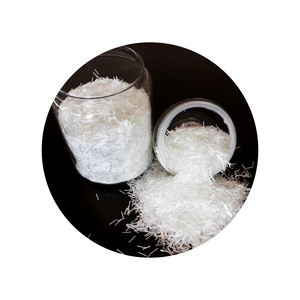
Mea Faaopoopo Sima Mama | Su'esu'e Foa'e maualuga mo le Sima Cellular

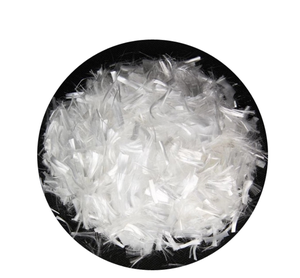
FA'AVAE FA'AVAE
Fa'amatalaga
Overview of Monofilament Polypropylene Concrete Fiber for Concrete
Mo tete'e maualuga-a'afiaga, matou te ofoina atu uamea Fibers, o se sui lelei mo mata uaea uelo i fola fale gaosimea ma elemene muamua lafo. Matou te tuʻuina atu foʻi faʻapitoa Structural Synthetic Fibers e ofoina atu le malosi maualuga mo le faʻaogaina o talosaga.. O alava ia o lo'o salalau solo i totonu o le paluga sima, faia o se feso'ota'iga fa'amalosia tele e le mafai ona ausia e auala masani. O lenei faiga tu'ufa'atasia e fa'afaigofie ai le fausiaina, faatelevaveina le tu'uina, ma fa'aleleia ai le fa'amaoni atoa ma le umi o le sima, tu'uina atu se tali fa'aonaponei i lu'itau ta'e tuai ma le tumau.
Features of Monofilament Polypropylene Concrete Fiber for Concrete
1. Pulea Ta'eta'e Sili ma Fa'aleleia le Maumau:
O le uiga autu o a tatou alava o lo latou gafatia e faʻafesoʻotaʻi uma micro-taʻetaʻe e faia i le taimi o le tulaga palasitika ma taʻe tetele i totonu o sima malo.. O lenei fa'ata'apeina e tolu-dimensional e fa'atupuina ai se matrix e sili atu ona tu'ufa'atasi e tete'e ai le fa'atupuina o ta. O le fa'amanuiaga tuusa'o o se fa'aitiitiga tele i le ta'e palasitika ma le lautele o le ta'e umi. O le mea lea e tau atu ai i se sima e sili atu ona umi ma maualalo le faʻaogaina, lea e fa'aleleia atili ai le tete'e atu i vai fa'aulu, fa'aleagaina fa'a'aisa, ma a'a o so'o se uamea fa'apipi'i. O le taunuuga o se fausaga e umi atu le ola tautua ma faʻaititia le tau o le tausiga.
2. Fa'ateleina A'afiaga ma Fa'asa'o:
Fibre, aemaise lava alava macro synthetic u'amea malosi, fa'aleleia atili le malosi o le sima ma le fa'atinoina o le ta'e. Latou te mitiia ma tufatufa atu le malosi i luga o le aʻafiaga poʻo le utaina. O lenei fa'aaliga e maua ai le fa'amanuiaga o se mea e sili atu ona maufetuuna'i e fa'aitiitia ai le fa'afefe, tipi, ma abrasion i lalo o le mamafa o taavale poʻo masini faʻainisinia. Ose tulaga taua tele lea mo fola fale gaosimea, fola faleteuoloa, ma galuega tetele, e taʻitaʻia atu i luga o se mea e sili atu ona faʻaofuofu e faʻatumauina lona faʻamaoni i le aluga o taimi.
3. Lelei Faufale ma Fa'asaoina Tau:
O se vaega autu o le faʻaaogaina o le fiber faʻamalosia o le faʻaumatiaina o le uaea faʻafefe (WWF) i le tele o talosaga. E maua ai le tele o fa'amanuiaga i luga ole laiga: e faafaigofie ai le tuu, ona e leai se mata e fa'atūina pe ono fa'ase'e, ma e faatelevaveina ai le faagasologa atoa o le fausiaina. E ala i le aveesea o se laasaga galue malosi, o poloketi e va'aia le fa'aitiitia o tau o tagata faigaluega ma fa'avave taimi fa'atulagaina o galuega. O le tufatufaina tutusa o alava e mautinoa ai foi le faʻamalosia faifaipea i le vaega sima atoa, e le pei o mata, lea e mafai ona le lelei ona tuu, e taʻitaʻia ai le faʻatuatuaina ma le faʻatinoina o galuega.

Specification of Monofilament Polypropylene Concrete Fiber for Concrete
Monofilament Polypropylene Concrete Fiber– Tulaga Manaomia
Product and Framework
O lenei fiber e faia mai 100% polypropylene taupou. It has a monofilament framework, meaning each strand is a solitary continuous filament. The surface area is slightly textured to aid it bond much better with concrete. No additives or recycled material are made use of in manufacturing.
Uiga Faaletino
The fiber appears white or beige in color. Its size varies from 18 ia 32 microns. Tensile toughness goes to least 450 MPa. O le modulus fetuutuunai o loʻo siomia 3.5 GPa. O lo'o si'omia le mea liusuavai 165 °C. The fibers are immune to antacids, acids, and various other chemicals commonly located in concrete environments.
Available Lengths
Criterion sizes include 6 mm, 12 mm, 19 mm, ma 38 mm. Personalized sizes can be supplied upon request for details job requirements.
Fa'aoga ma Fuafuaga
These fibers are combined directly right into concrete during batching. Normal dose prices vary from 0.6 kg/m tolu i 1.0 kilokalama/m fa. Higher dosages might be used for applications requiring greater crack control. The fibers disperse evenly throughout the mix and do not glob when proper blending procedures are followed.
Fa'amanuiaga Fa'atinoga
Including these fibers helps in reducing plastic contraction fractures in fresh concrete. They also boost effect resistance and strength in solidified concrete. While they do not change architectural steel reinforcement, they serve as second reinforcement to manage fracturing and boost longevity.
Oloa afifiina ma Taulimaina
Fibers come in moisture-resistant polyethylene bags. Each bag holds 0.6 kg po o 1.0 kilokalama o alava. Shop in a dry area away from straight sunlight. Maintain bags secured up until ready for use to stop moisture absorption.
Tausi
This product satisfies ASTM C1116/C1116M criteria for synthetic fibers in concrete. It likewise adheres to EN 14889-2 for fibrillated and monofilament polypropylene fibers made use of in construction.
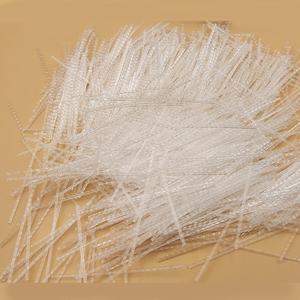
Applications of Monofilament Polypropylene Concrete Fiber for Concrete
Applications of Monofilament Polypropylene Concrete Fiber
Why Make Use Of Monofilament Polypropylene Fibers?
Monofilament polypropylene concrete fibers are included in concrete blends to boost performance. These synthetic fibers assist manage fracturing brought on by plastic shrinking. They additionally improve impact resistance and decrease surface area spalling. The fibers blend quickly into concrete without clumping. They work well in both wet and dry mix processes.
Common Makes Use Of in Construction
These fibers are commonly used in residential and business projects. You will certainly discover them in slabs-on-grade, auala taavale, ala, ma nofoaga patio. They are also made use of in commercial floors, fasi faleteuoloa, ma ta'otoga ta'avale. Due to the fact that they improve resilience, they fit locations with hefty foot or lorry web traffic.
I le fa'aogaina o le shotcrete– like tunnel linings, fa'amautu malifa, ma le vaitaele– monofilament fibers add sturdiness. They assist the concrete hold together under anxiety. This makes repair services much easier and extends life span.
Tulaga lelei mo Panela mua'i lafo ma fa'asaga i luga
Precast concrete aspects commonly consist of these fibers to avoid splits during handling and transportation. Tilt-up wall surface panels profit also. The fibers lower damage from effects and thermal adjustments. This leads to fewer repair work on site and cleaner finishes.
Use in Stonework and Stucco
Masons use monofilament polypropylene fibers in stucco and plaster mixes. The fibers limit hairline splits and boost cohesion. This leads to smoother surfaces and much better lasting look. They also aid stucco remain undamaged during small building motions.
Security and Sustainability
These fibers are non-corrosive and chemically inert. They do not respond with concrete or other ingredients. That suggests they last as lengthy as the concrete itself. They likewise sustain lasting structure by reducing fixing demands and material waste. Service providers appreciate their simplicity of use and regular results across jobs.
Fa'amatalaga a le Kamupani
O matou o le ta'ita'i o le lalolagi i fofo mama mama ma fa'ainisinia foam fofo. Ua lauiloa i le lalolagi atoa mo lana tautinoga i suʻesuʻega, mea fou, ma fa'aoga tomai, ua matou tuʻuina atu fofo faʻainisinia foam talu mai le amataga o le 2012.
E mafai ona matou tu'uina atu mea fa'afefiloi sima maualuga ma oloa fa'atatau i sima foam i le lalolagi atoa.
O loʻo i ai i le kamupani se matagaluega faʻapitoa faʻapolofesa ma le mataʻituina lelei o le matagaluega, se falesuesue ua saunia lelei, ma faʻapipiʻiina i masini suʻesuʻe faʻapitoa ma le faʻatau atu o tagata faʻatau auaunaga.
Afai e te fiafia, faamolemole lagona le saoloto ma faafesootai matou.
Totogi
T/T, Western Union, Paypal, Credit Card etc.
utaina
E ala i le ea, i le sami, e ala i le faailoa atu, e pei ona talosagaina e tagata faatau.

5 FAQs of Monofilament Polypropylene Concrete Fiber for Concrete
Frequently Asked Questions About Monofilament Polypropylene Concrete Fiber
What is monofilament polypropylene concrete fiber?
This fiber is a single-strand synthetic material made from polypropylene. Builders mix it into concrete to help control cracking. It is thin, fetuutuunai, and evenly distributed throughout the concrete mix.
Aisea e faaopoopo ai lenei filo i le sima?
Concrete can crack as it dries or under stress. The fiber helps hold the concrete together when small cracks start to form. This improves durability and reduces surface damage over time. It also makes the concrete more resistant to impact and wear.
O le a le tele o le fiber e tatau ona ou faʻaaogaina?
Ole aofa'i sa'o e fa'atatau ile galuega. Ole tele ole fa'afefiloi e fa'aoga ile va 0.5 ia 1.5 pounds of fiber per cubic yard of concrete. Mulimuli i taimi uma faatonuga a le gaosi oloa. O le itiiti naua atonu e le fesoasoani. Too much can make mixing difficult.
E mafai ona ou faʻaogaina lenei fiber ma isi faʻaopoopoga?
Ioe. This fiber works well with common concrete additives like water reducers, ea entrainers, ma superplasticizers. Just make sure to mix everything properly. Add the fiber during the early mixing stage so it spreads evenly.
Pe suia ea e lenei alava le malosi uamea?
Leai. This fiber is not a substitute for rebar or welded wire mesh in structural applications. It mainly controls plastic shrinkage cracks and improves surface toughness. Use it alongside traditional reinforcement when both are needed. It adds extra protection but does not carry structural loads.
TALOSAGA O SE FAI
O MEA E FAI AI

Macro Synthetic Fiber Sima Fa'amalosia Sima maualuga Alkali Resistance PP Macro Fiber mo Faiga Fa'avae.
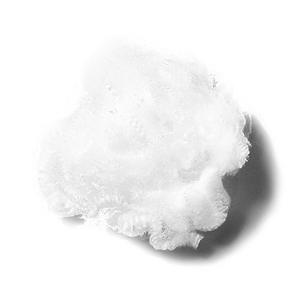
Tulaga maualuga GRC Glass Fiber Wire Grouting Machine Susū Ituaiga Sima Susū masini

6mm.
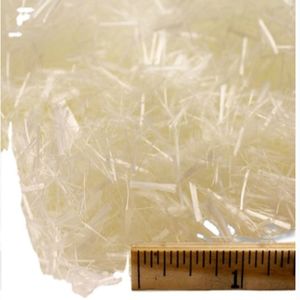
PP Concrete Fiber Monofilament Form for Cement Concrete
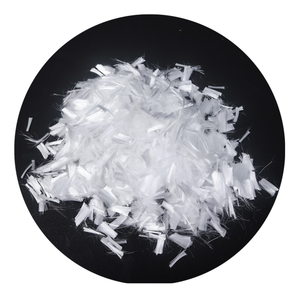
Sima polyester alava la'au 3mm/12mm inisinia ta'e alava tensile