


Ihe mgbakwunye ihe dị fechaa | Ndị na-ahụ maka ụfụfụ na-arụ ọrụ dị elu maka ihe nhịahụ cellular

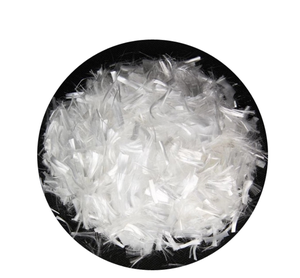
PRAMETERS ngwaahịa
Nkọwa
Overview of Monofilament Polypropylene Concrete Fiber for Concrete
Maka nguzogide mmetụta dị elu, anyị na-enye Steel Fibers, ezigbo ndochi maka welded waya ntupu na ulo oru ala na tupu nkedo ihe. Anyị na-enyekwa eriri sịntetịtịk Structural pụrụ iche nke na-enye ike tensile dị elu maka ngwa na-achọsi ike. A na-agbasasị eriri ndị a n'otu n'otu n'ime ngwakọta kọmpụta, ịmepụta netwọk nkwado ọtụtụ akụkụ nke usoro ọdịnala na-enweghị ike imezu. Usoro a jikọtara ọnụ na-eme ka owuwu dị mfe, na-eme ka ntinye ngwa ngwa, na enhances n'ozuzu iguzosi ike n'ezi ihe na ogologo ndụ nke ihe, na-enye azịza ọgbara ọhụrụ maka mgbawa mgbawa na ogologo oge.
Features of Monofilament Polypropylene Concrete Fiber for Concrete
1. Njikwa mgbapeka dị elu yana ịdịte aka emelitere:
Akụkụ bụ isi nke eriri anyị bụ ikike ha nwere ijikọ ma micro-cracks nke na-etolite n'oge steeti plastik yana mgbawa buru ibu na kọmpụta siri ike.. Mgbasa nke akụkụ atọ a na-emepụta matriks na-ejikọta ọnụ nke na-egbochi mgbasa mgbape. Uru a na-enweta kpọmkwem bụ mbelata dị ukwuu na mgbawa plastic shrinkage na obosara ogologo oge. Nke a na-eduga na a ukwuu ọzọ inogide ihe na ala permeability, nke na-eme ka iguzogide mmiri na-abanye, ifriizi-mebie mmebi, na corrosion nke ígwè ọ bụla agbakwunyere. Ihe si na ya pụta bụ nhazi nke nwere ogologo ndụ ọrụ yana belata ụgwọ ọrụ nlekọta.
2. Mmụba Mmetụta yana Mgbochi Abrasion:
eriri, karịsịa ígwè na siri ike sịntetik nnukwu eriri, na-emeziwanye ike nke ihe siri ike na ịrụ ọrụ mgbe mgbawa gasịrị. Ha na-amịkọrọ ma kesaa ike n'elu mmetụta ma ọ bụ ibu. Njirimara a na-enye abamuru nke elu na-agbanwe agbanwe nke na-adịchaghị mfe spalling, chipping, na abrasion n'okpuru oké okporo ụzọ ma ọ bụ n'ibu eyi. Nke a bụ uru dị oke egwu maka ala ụlọ ọrụ mmepụta ihe, pavement ụlọ nkwakọba ihe, na akụrụngwa akụrụngwa, na-eduga n'elu elu na-eyi ihe siri ike nke na-edobe iguzosi ike n'ezi ihe ya ka oge na-aga.
3. Ịrụ ọrụ nke ọma na ego ego:
Otu akụkụ dị mkpa nke iji nkwado eriri bụ mkpochapụ ntupu eriri welded (WWF) n'ọtụtụ ngwa. Nke a na-enye nnukwu uru na saịtị: ọ na-eme ka ntinye dị mfe, n'ihi na enweghị ntupu a ga-edozi ma ọ bụ nwee ike ịkwapụ, na ọ na-eme ka usoro ihe owuwu ahụ dum dịkwuo elu. Site n'iwepụ nzọụkwụ na-akpa ike, oru ngo na-ahụ mbelata ụgwọ ọrụ na usoro iheomume ngwa ngwa. Nkesa otu nke eriri na-eme ka nkwado na-agbanwe agbanwe na mpaghara kọmpụta niile, n'adịghị ka ntupu, nke enwere ike itinye ya n'ụzọ na-ekwesịghị ekwesị, na-eduga na arụmọrụ a pụrụ ịdabere na ya na nke a pụrụ ịkọ.

Specification of Monofilament Polypropylene Concrete Fiber for Concrete
Monofilament Polypropylene Concrete Fiber– Ngwaahịa chọrọ
Product and Framework
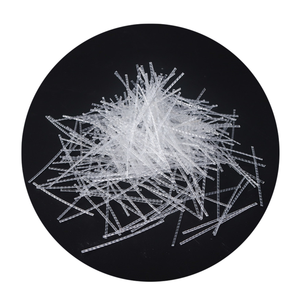
Emere eriri a site na 100% polypropylene na-amaghị nwoke. It has a monofilament framework, meaning each strand is a solitary continuous filament. The surface area is slightly textured to aid it bond much better with concrete. No additives or recycled material are made use of in manufacturing.
Ogo anụ ahụ
The fiber appears white or beige in color. Its size varies from 18 ka 32 microns. Tensile toughness goes to least 450 MPa. The flexible modulus is around 3.5 GPA. Melting factor is around 165 Celsius C. The fibers are immune to antacids, acids, and various other chemicals commonly located in concrete environments.
Available Lengths
Criterion sizes include 6 mm, 12 mm, 19 mm, na 38 mm. Personalized sizes can be supplied upon request for details job requirements.
Usage and Dose
These fibers are combined directly right into concrete during batching. Normal dose prices vary from 0.6 n'arọ/m atọ ka 1.0 n'arọ/m anọ. Higher dosages might be used for applications requiring greater crack control. The fibers disperse evenly throughout the mix and do not glob when proper blending procedures are followed.
Uru arụmọrụ
Including these fibers helps in reducing plastic contraction fractures in fresh concrete. They also boost effect resistance and strength in solidified concrete. While they do not change architectural steel reinforcement, they serve as second reinforcement to manage fracturing and boost longevity.
Nkwakọ ngwaahịa na njikwa
Fibers come in moisture-resistant polyethylene bags. Akpa ọ bụla na-ejide 0.6 n'arọ ma ọ bụ 1.0 kg of fiber. Shop in a dry area away from straight sunlight. Maintain bags secured up until ready for use to stop moisture absorption.
nnabata
This product satisfies ASTM C1116/C1116M criteria for synthetic fibers in concrete. Ọ dabere na EN 14889-2 for fibrillated and monofilament polypropylene fibers made use of in construction.
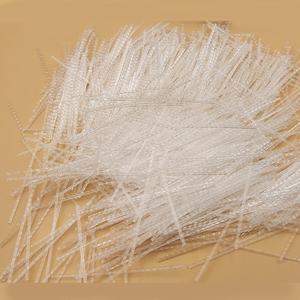
Applications of Monofilament Polypropylene Concrete Fiber for Concrete
Applications of Monofilament Polypropylene Concrete Fiber
Why Make Use Of Monofilament Polypropylene Fibers?
Monofilament polypropylene concrete fibers are included in concrete blends to boost performance. These synthetic fibers assist manage fracturing brought on by plastic shrinking. They additionally improve impact resistance and decrease surface area spalling. The fibers blend quickly into concrete without clumping. They work well in both wet and dry mix processes.
Common Makes Use Of in Construction
These fibers are commonly used in residential and business projects. You will certainly discover them in slabs-on-grade, okporo ụzọ, ụzọ, na mpaghara patio. They are also made use of in commercial floors, Iberibe ụlọ nkwakọba ihe, na frameworks na-adọba ụgbọala. Due to the fact that they improve resilience, they fit locations with hefty foot or lorry web traffic.
Na ngwa shotcrete– like tunnel linings, mkpọda stabilization, na ọdọ mmiri– monofilament fibers add sturdiness. They assist the concrete hold together under anxiety. This makes repair services much easier and extends life span.
Uru maka Precast na Tilt-Up Panel
Precast concrete aspects commonly consist of these fibers to avoid splits during handling and transportation. Tilt-up wall surface panels profit also. The fibers lower damage from effects and thermal adjustments. This leads to fewer repair work on site and cleaner finishes.
Use in Stonework and Stucco
Masons use monofilament polypropylene fibers in stucco and plaster mixes. The fibers limit hairline splits and boost cohesion. This leads to smoother surfaces and much better lasting look. They also aid stucco remain undamaged during small building motions.
Security and Sustainability
Eriri ndị a anaghị emebi emebi na kemịkalụ enweghị ike. They do not respond with concrete or other ingredients. That suggests they last as lengthy as the concrete itself. They likewise sustain lasting structure by reducing fixing demands and material waste. Service providers appreciate their simplicity of use and regular results across jobs.
Nkọwapụta Ụlọ ọrụ
Anyị bụ ndị ndu zuru ụwa ọnụ na ngwọta ụfụfụ dị fechaa na nke dị elu. Amara ụwa niile maka ntinye aka ya na nyocha, ihe ọhụrụ, na etinyere nka nka, anyị na-enye ihe ngwọta ụfụfụ emepụtara kemgbe mmalite 2012.
Anyị nwere ike na-enye elu-edu ihe admixture na ụfụfụ ihe metụtara ngwaahịa n'ụwa nile.
Ụlọ ọrụ ahụ nwere ngalaba ọkachamara ọkachamara na ngalaba nlekọta àgwà, ụlọ nyocha nke ọma, na kwadebere na elu ule akụrụngwa na mgbe-sales ahịa ọrụ center.
Ọ bụrụ na ị nwere mmasị, biko nweere onwe gị ma kpọtụrụ anyị.
Ịkwụ ụgwọ
T/T, Western Union, Paypal, Kaadị kredit wdg.
Mbupu
Site n'ikuku, site n'oké osimiri, site na nkwuwa okwu, dị ka ndị ahịa na-arịọ.

5 FAQs of Monofilament Polypropylene Concrete Fiber for Concrete
Frequently Asked Questions About Monofilament Polypropylene Concrete Fiber
What is monofilament polypropylene concrete fiber?
This fiber is a single-strand synthetic material made from polypropylene. Builders mix it into concrete to help control cracking. It is thin, mgbanwe, and evenly distributed throughout the concrete mix.
Kedu ihe kpatara tinye eriri a na kọmpụta?
Concrete can crack as it dries or under stress. The fiber helps hold the concrete together when small cracks start to form. This improves durability and reduces surface damage over time. It also makes the concrete more resistant to impact and wear.
Kedu eriri eriri ka m kwesịrị iji?
Ọnụ ego ziri ezi dabere na ọrụ gị. Ọtụtụ ngwakọta na-eji n'etiti 0.5 ka 1.5 pounds of fiber per cubic yard of concrete. Soro ntuziaka onye nrụpụta mgbe niile. Obere ntakịrị nwere ike ọ gaghị enyere aka. Too much can make mixing difficult.
Enwere m ike iji eriri a na mgbakwunye ndị ọzọ?
Ee. This fiber works well with common concrete additives like water reducers, ikuku entrainers, na superplasticizers. Just make sure to mix everything properly. Add the fiber during the early mixing stage so it spreads evenly.
eriri a ọ na-edochi nkwado nchara?
Mba. eriri a abụghị ihe eji dochie rebar ma ọ bụ welded waya n'ime ngwa nhazi. It mainly controls plastic shrinkage cracks and improves surface toughness. Use it alongside traditional reinforcement when both are needed. It adds extra protection but does not carry structural loads.
RỊỌRỌ OKWU
Ngwaahịa ndị metụtara
polypropylene fibre high tenacity polypropylene fiber for concrete concrete pp fiber for concrete
Ụlọ ọrụ ahaziri ahazi n'ala Shotcrete Concrete Structural Steel Fibers rụrụ arụ na-adịghị agwụ agwụ ígwè ihe eriri eriri.

Ihe Owuwu Chemical Lignin Osisi Cellulose Fiber Maka Asphalt Concrete Reinforcement Thickening Crack Resistance

E iko chopped strands iko eriri maka ciment/concrete/gypsum osisi
Fiber gbasiri ike eriri ihe ihe mgbakwunye polypropylene Fiber sịntetik PP eriri
