


Nga Whakapiri Raima Maamaa | Nga Kaipupuhi Hukarere Mahinga Nui mo te Raima Pukoro

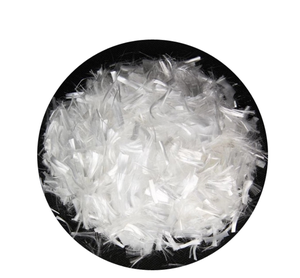
NGA TAATA HUA
Whakaahuatanga
Overview of Monofilament Polypropylene Concrete Fiber for Concrete
Mo te parenga-nui, ka whakaekea e matou nga muka maitai, he whakakapinga pai mo te waea waea paiherea i roto i nga papa ahumahi me nga waahanga o mua. Ka whakaratohia ano hoki e matou nga muka Hanganga Hanganga motuhake e tuku ana i te kaha kaha mo te tono tono.. Ka marara rite enei muka puta noa i te ranunga raima, te hanga i te kupenga whakakaha-maha e kore e taea e nga tikanga tuku iho. Ko tenei huarahi whakauru ka ngawari te hanga, ka whakatere i te whakanohonga, me te whakanui ake i te pono me te roa o te raima, he whakautu hou mo nga wero tawhito me te mauroa.
Features of Monofilament Polypropylene Concrete Fiber for Concrete
1. Mana Kapiti Kairangi me te Maamaa Whakarei:
Ko te ahuatanga tuatahi o a tatou muka ko to raatau kaha ki te hono i nga kapiti moroiti e rua ka puta i te wa o te ahua kirihou me nga kapiti nui atu i roto i te raima whakapakeke.. Ko tenei marara e toru-ahu ka hanga he matrix kaha ake hei aukati i te whakatipu kapiti. Ko te painga tika ko te whakahekenga nui i roto i nga kapiti whakaheke kirihou me te whanui kapiti mo te wa roa. Ka puta tenei ki te raima tino roa ake me te iti o te uruhanga, e whakanui ana i te aukati ki te whakauru wai, te mate huka-rewa, me te waikura o tetahi rino whakauru. Ko te hua ko te hanganga me te roa o te oranga ratonga me te whakaiti i nga utu tiaki.
2. Te Whakanuia o te Paanga me te Atete Abrasion:
Nga muka, ina koa te rino me nga muka tonotono waihanga pakari, te whakapai ake i te pakari o te raima me te mahi i muri i te kapiti. Ka mimiti, ka tohatoha i te kaha i runga i te paanga, te uta ranei. Ko tenei ahuatanga e whakarato ana i te painga o te mata kaha ake ka iti ake te waahi ki te pakaru, maramara, me te abrasion i raro i nga waka taumaha me nga kakahu miihini. He painga nui tenei mo nga papa ahumahi, nga papahanga whare putunga, me nga kaupapa hanganga, e arai ana ki te mata pakeke ake e mau tonu ana tona tapatahi i roto i te waa.
3. Te Mahi Hanga me te Tiaki Utu:
Ko tetahi ahuatanga nui o te whakamahi i te whakakaha muka ko te whakakore i nga waea waea paiherea (WWF) i roto i nga tono maha. Ka whakarato tenei i nga painga nui i runga i te waahi: he whakangawari te whakatakotoranga, i te mea karekau he mata hei whakatu, ka nukuhia ranei, a ka whakatere i te katoa o nga mahi hanga. Na roto i te tango i tetahi mahi mahi, ka kite nga kaupapa i te hekenga o nga utu mo nga kaimahi me te tere ake o nga waahi kaupapa. Ko te tohatoha rite o nga muka ka whakarite kia rite tonu te whakakaha puta noa i te waahanga raima katoa, kaore i rite ki te mata, ka taea te whakanoho hee, ka nui ake te pono me te matapae mahi.

Specification of Monofilament Polypropylene Concrete Fiber for Concrete
Monofilament Polypropylene Concrete Fiber– Nga Whakaritenga Hua
Hua me te Anga
He mea hanga mai i tenei muka 100% polypropylene wahine. It has a monofilament framework, meaning each strand is a solitary continuous filament. The surface area is slightly textured to aid it bond much better with concrete. No additives or recycled material are made use of in manufacturing.
Ko nga Kounga a-tinana
The fiber appears white or beige in color. Its size varies from 18 ki 32 microns. Tensile toughness goes to least 450 MPa. Kei te huri noa te modulus ngawari 3.5 GPa. Melting factor is around 165 ° C. The fibers are immune to antacids, waikawa, and various other chemicals commonly located in concrete environments.
Available Lengths
Criterion sizes include 6 mm, 12 mm, 19 mm, a 38 mm. Personalized sizes can be supplied upon request for details job requirements.
Usage and Dose
These fibers are combined directly right into concrete during batching. Normal dose prices vary from 0.6 kg/m toru ki 1.0 kg/m wha. Higher dosages might be used for applications requiring greater crack control. The fibers disperse evenly throughout the mix and do not glob when proper blending procedures are followed.
Nga Whakaaetanga Mahi
Including these fibers helps in reducing plastic contraction fractures in fresh concrete. They also boost effect resistance and strength in solidified concrete. While they do not change architectural steel reinforcement, they serve as second reinforcement to manage fracturing and boost longevity.
Puka hua me te Mahinga
Ka tae mai nga muka ki roto i nga putea polyethylene-atete makuku. Ka mau ia peke 0.6 kg ranei 1.0 kg o te muka. Shop in a dry area away from straight sunlight. Maintain bags secured up until ready for use to stop moisture absorption.
Tautukunga
This product satisfies ASTM C1116/C1116M criteria for synthetic fibers in concrete. It likewise adheres to EN 14889-2 for fibrillated and monofilament polypropylene fibers made use of in construction.
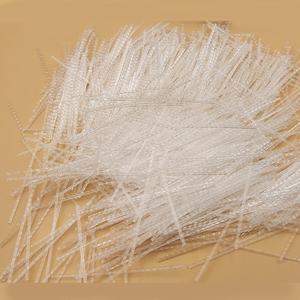
Applications of Monofilament Polypropylene Concrete Fiber for Concrete
Applications of Monofilament Polypropylene Concrete Fiber
Why Make Use Of Monofilament Polypropylene Fibers?
Monofilament polypropylene concrete fibers are included in concrete blends to boost performance. These synthetic fibers assist manage fracturing brought on by plastic shrinking. They additionally improve impact resistance and decrease surface area spalling. The fibers blend quickly into concrete without clumping. They work well in both wet and dry mix processes.
Ka whakamahia noa i roto i te hangahanga
These fibers are commonly used in residential and business projects. You will certainly discover them in slabs-on-grade, nga huarahi taraiwa, nga huarahi, and patio areas. They are also made use of in commercial floors, mongamonga whare taonga, me nga anga waka waka. Due to the fact that they improve resilience, they fit locations with hefty foot or lorry web traffic.
I roto i nga tono shotcrete– like tunnel linings, whakapumautanga o te pari, me te poka wai– monofilament fibers add sturdiness. They assist the concrete hold together under anxiety. This makes repair services much easier and extends life span.
Nga Painga mo nga Paewhiri Whakarewa me te Tilt-Up
Precast concrete aspects commonly consist of these fibers to avoid splits during handling and transportation. Tilt-up wall surface panels profit also. The fibers lower damage from effects and thermal adjustments. This leads to fewer repair work on site and cleaner finishes.
Use in Stonework and Stucco
Masons use monofilament polypropylene fibers in stucco and plaster mixes. The fibers limit hairline splits and boost cohesion. This leads to smoother surfaces and much better lasting look. They also aid stucco remain undamaged during small building motions.
Te Haumaru me te Toimautanga
These fibers are non-corrosive and chemically inert. They do not respond with concrete or other ingredients. That suggests they last as lengthy as the concrete itself. They likewise sustain lasting structure by reducing fixing demands and material waste. Service providers appreciate their simplicity of use and regular results across jobs.
Kōtaha Kamupene
Ko matou te kaihautu o te ao mo nga raima maamaa me nga otinga pahuka i hangaia. E mohiotia ana puta noa i te ao mo tana pono ki te rangahau, auahatanga, me te tohungatanga tono, kua whakaratohia e matou he otinga pahuka i hangaia mai i te timatanga o te tau 2012.
Ka taea e matou te whakarato i te whakauru raima kounga teitei me nga hua e pa ana ki te raima pahuka puta noa i te ao.
Ko te kamupene he tari hangarau ngaio me te tari tirotiro kounga, he taiwhanga pai rawa atu, me nga taputapu whakamatautau matatau me te pokapū ratonga kaihoko muri-hoko.
Mena kei te hiahia koe, tēnā koa whakapā mai ki a mātou.
Utu
T/T, Western Union, Paypal, Kaari nama etc.
Tukunga
Ma te hau, ma te moana, mā te whakapuaki, kia rite ki te tono a nga kaihoko.

5 FAQs of Monofilament Polypropylene Concrete Fiber for Concrete
Frequently Asked Questions About Monofilament Polypropylene Concrete Fiber
What is monofilament polypropylene concrete fiber?
This fiber is a single-strand synthetic material made from polypropylene. Builders mix it into concrete to help control cracking. He kikokore, ngawari, ka tohatoha noa puta noa i te ranunga raima.
He aha te taapiri i tenei muka ki te raima?
Ka pakaru te raima ina maroke, i raro ranei i te ahotea. The fiber helps hold the concrete together when small cracks start to form. This improves durability and reduces surface damage over time. It also makes the concrete more resistant to impact and wear.
Kia pehea te nui o te muka hei whakamahi?
Ko te moni tika kei runga i to kaupapa. Ko te nuinga o nga ranunga ka whakamahia i waenga 0.5 ki 1.5 pounds of fiber per cubic yard of concrete. Me whai tonu i nga tohutohu a te kaihanga. He iti rawa pea ka kore e awhina. Too much can make mixing difficult.
Can I use this fiber with other additives?
Ae. This fiber works well with common concrete additives like water reducers, nga kaiwhakangungu hau, me nga superplasticizers. Just make sure to mix everything properly. Add the fiber during the early mixing stage so it spreads evenly.
Ka whakakapi tenei muka i te whakakaha maitai?
Kao. This fiber is not a substitute for rebar or welded wire mesh in structural applications. It mainly controls plastic shrinkage cracks and improves surface toughness. Use it alongside traditional reinforcement when both are needed. It adds extra protection but does not carry structural loads.
TONO HE KORERO
HUA HUA

muka rino mo te whakakaha muka raima
Whakapiri Raima Raima Hangaia mo nga Rongonga Raima Whakarewa mo nga Paipa Hangahanga Kirihou UHPC
Polypropylene PP Concrete Cement Mesh Fibrillated Concrete Fiber

Fiberglass Mesh 4x4mm Fiber Glass Mesh for Wall 160g Plaster Net
Matao me te Hot Pressing Glass Fiber Pallet Hanga Miihini Raima Poraka GMT Pallet Hanga Miihini
