


Lub teeb pob zeb Additives | High-Performance Foaming Agents rau Cellular Concrete

PRODUCT PRAMETERS
Kev piav qhia
Introduction to Hydroxypropyl Methyl Cellulose HPMC Mainly Used as Dispersing Agent in Production of PVC
Hydroxypropyl Methylcellulose (HPMC), nws lub npe Suav yog hydroxypropyl methylcellulose, yog semi-synthetic, non-ionic cellulose ether tau los ntawm chemically modifying natural cellulose. Cov hmoov dawb no tuaj yeem tsim cov kua nplaum pob tshab tom qab yaj hauv dej. Nws muaj cov thickening zoo heev, tuav dej, stability thiab film-forming zog. Nws yog ib qho indispensable multifunctional additive nyob rau hauv ntau lub teb xws li kev tsim kho.
Characteristics and advantages of Hydroxypropyl Methyl Cellulose HPMC Mainly Used as Dispersing Agent in Production of PVC
Solubility dej zoo heev: Nws tuaj yeem yaj sai sai hauv dej txias kom tsim tau cov tshuaj ntshiab thiab ruaj khov.
Ua kom tuab tuab thiab muaj peev xwm tuav dej: Ua kom cov viscosity ntawm cov khoom, zoo txo cov dej evaporation, thiab txhim kho kev ua haujlwm zoo.
Zoo stability: Nws muaj kev ruaj ntseg zoo rau acids, alkalis, thiab ntsev, thiab yog haum rau ntau yam ntawm cov nqi pH.
Zaj duab xis-tsim thiab tiv thaiv teebmeem: Tom qab ziab, nws tsim ib zaj duab xis tawv thiab pob tshab los tiv thaiv substrate thiab tiv thaiv dej nkag thiab evaporation.
Non-toxic thiab non-irritating: Nws muaj biocompatibility zoo thiab tsim nyog rau thaj chaw tshuaj thiab zaub mov.
Kho tau: Los ntawm kev hloov cov degree ntawm kev hloov pauv thiab qhov hnyav molecular, nws qhov kev ua tau zoo tuaj yeem hloov kho kom tau raws li qhov kev thov sib txawv.

Specifications of Hydroxypropyl Methyl Cellulose HPMC Mainly Used as Dispersing Agent in Production of PVC
Hydroxypropyl Methyl Cellulose (HPMC)– Secret Specifications for PVC Dispersing Applications
Kev tshuaj xyuas cov khoom
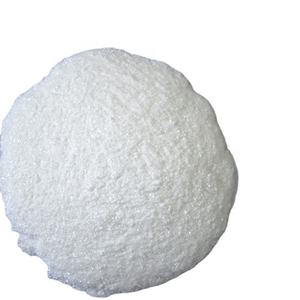
Hydroxypropyl Methyl Cellulose (HPMC) is a white to beige, dawb-ntws hmoov. It liquifies easily in cool water and develops a clear, viscous remedy. In the manufacturing of polyvinyl chloride (PVC), HPMC works mostly as a spreading agent. It aids maintain PVC fragments equally spread out throughout suspension polymerization. This causes far better resin quality and even more consistent final products.
Trick Technical Specifications
Qhov tshwm sim: White or somewhat yellowish powder, odorless and safe.
Thickness (2% kev pabcuam ntawm 20 ° C): Ntau yam los ntawm 4,000 rau 100,000 mPa · s, tso siab rau qhov zoo. Typical grades utilized in PVC consist of 4,000– 15,000 mPa · s for optimal dispersion control.
Hydroxypropyl web cov ntsiab lus: Usually 4– 12%.
Methoxyl content: Typically 19– 30%.
tus nqi pH (2% kev pabcuam): 6.0– 8.0.
Dampness content: Not more than 5%.
Ash web cov ntsiab lus: Hauv qab no 5%.
Efficiency Advantages in PVC Manufacturing
HPMC supports the monomer droplets in the activator. This prevents them from sticking together too early. Vim li no, the PVC material grains create with uniform size and shape. The item reveals excellent porosity, which enhances plasticizer absorption later on. HPMC likewise supports smooth activator operation by minimizing fouling on vessel wall surfaces. Its thermal stability enables it to execute well under regular polymerization temperatures (45– 70 ° C).
Kev tuav thiab cia qhov chaw
Khaws HPMC hauv ib qho amazing, qhov chaw qhuav tag. Maintain containers secured to avoid moisture uptake. Usage common industrial health practices when dealing with the powder. Stay clear of breathing dust and contact with eyes.

Applications of Hydroxypropyl Methyl Cellulose HPMC Mainly Used as Dispersing Agent in Production of PVC
Hydroxypropyl Methyl Cellulose (HPMC) in PVC Manufacturing
Why HPMC Is Made Use Of as a Dispersing Agent
In the production of polyvinyl chloride (PVC), hydroxypropyl methyl cellulose (HPMC) plays a key duty as a spreading agent. It aids keep PVC bits uniformly spread out throughout the manufacturing procedure. Without a great spreading agent, PVC material can form huge globs. This leads to bad item top quality and irregular efficiency.
HPMC functions well since it dissolves quickly in water and develops a secure option. This option twists around tiny droplets of plastic chloride monomer. It quits them from sticking together prematurely. Vim li no, the final PVC material has consistent particle size and smooth appearance. These qualities are important for making high-grade plastic items.
Benefits in Suspension Polymerization
A lot of PVC is made with suspension polymerization. In this technique, HPMC controls just how the reaction happens inside the activator. It maintains the monomer droplets different while they turn into solid PVC fragments. This provides suppliers far better control over the resin’s structure.
Utilizing HPMC likewise boosts heat transfer throughout the response. The procedure runs extra efficiently and safely. Less contaminations create, and the resin comes out cleaner. That suggests much less requirement for extra handling steps later on.
Efficiency and Dependability
HPMC is trusted because it performs regularly set after batch. It does not break down under typical response problems. It also mixes well with various other ingredients utilized in PVC manufacturing. This makes it simple to use in existing manufacturing configurations.
The ideal grade of HPMC aids accomplish the specific resin properties needed for different end utilizes– zoo li cev, wires, or packaging movies. Its capacity to make improvements bit qualities provides producers versatility without transforming their core process.
Tuam txhab Profile
Peb yog cov thawj coj thoob ntiaj teb hauv cov pob zeb sib sib zog nqus thiab cov txheej txheem tsim ua npuas ncauj zoo heev. Paub thoob ntiaj teb rau nws txoj kev mob siab rau kev tshawb fawb, kev tsim kho tshiab, thiab siv kev txawj ntse, peb tau muab engineered ua npuas ncauj kev daws teeb meem txij li thaum ntxov 2012's.
Peb tuaj yeem muab cov khoom siv zoo tshaj plaws thiab cov khoom ua npuas ncauj ua ke thoob plaws ntiaj teb.
Lub tuam txhab muaj cov kws tshaj lij kev ua haujlwm thiab kev saib xyuas zoo, ib lub chaw kuaj mob zoo, thiab nruab nrog cov cuab yeej ntsuas qib siab thiab tom qab-muag kev pabcuam cov neeg siv khoom.
Yog koj txaus siab, thov koj xav tias dawb thiab tiv tauj peb.
Kev them nyiaj
T/T, Western Union, Paypal, Credit Card thiab lwm yam.
Kev xa khoom
Los ntawm huab cua, ntawm hiav txwv, los ntawm kev nthuav qhia, raws li cov neeg siv khoom thov.
5 FAQs of Hydroxypropyl Methyl Cellulose HPMC Mainly Used as Dispersing Agent in Production of PVC
Frequently Asked Questions About HPMC as a Dispersing Agent in PVC Production
What is HPMC and why is it used in PVC production?
HPMC sawv cev rau Hydroxypropyl Methyl Cellulose. It is a water-soluble polymer made from cellulose. In PVC production, HPMC ua haujlwm raws li tus neeg sawv cev dispersing. It helps keep PVC particles evenly spread in the reaction mixture. This leads to better resin quality and more consistent product performance.
How does HPMC improve PVC resin quality?
HPMC controls how PVC particles form during suspension polymerization. It prevents small droplets from sticking together too early. This results in uniform particle size and shape. Uniform particles mean the final PVC resin flows better, processes easier, and performs more reliably in end products.
Is HPMC safe for use in PVC manufacturing?
Yog lawm. HPMC is non-toxic and chemically stable under typical PVC production conditions. It leaves no harmful residues in the final product. Many global regulatory bodies approve its use in industrial applications, including plastics manufacturing.
Can other dispersants replace HPMC in PVC production?
Some alternatives exist, but HPMC offers a strong balance of performance, nqi, thiab yooj yim ntawm kev siv. Other agents may work in specific cases, but they often lack HPMC’s ability to give consistent particle structure across different production scales. Most manufacturers stick with HPMC for reliable results.
How is HPMC added during PVC production?
HPMC is mixed into the aqueous phase before monomer addition. It dissolves in water and forms a protective layer around vinyl chloride droplets. This layer keeps the droplets separate during polymerization. The amount used depends on the desired PVC grade, but typical dosages are low—usually under 0.1% of the total batch weight.
THOV QHIA
QHOV CHAW UA HAUJ LWM

BK viscosity 30,000mpas concrete admixture raw material white powder HPMC in construction field

Hot HPMC Powder Hydroxypropyl Methyl Cellulose For Building Cement CAS 9004-65-3 Zoo tshaj

Muaj Qib Hypromellose Hydroxypropyl Methyl Cellulose HPMC rau Cement Mortar thiab Phab Ntsa Putty

Tshuaj additive hydroxypropyl methyl cellulose muaj qib HPMC rau kev tsim kho qhuav mix skim tsho / plaster

Hydroxypropyl Methyl Cellulose HPMC Ether rau Cement Based Mortar
