


Lette betongtilsetningsstoffer | Høyytelses skummende midler for cellebetong

PRODUKTPARAMETRE
Beskrivelse
Introduction to Hydroxypropyl Methyl Cellulose HPMC Mainly Used as Dispersing Agent in Production of PVC
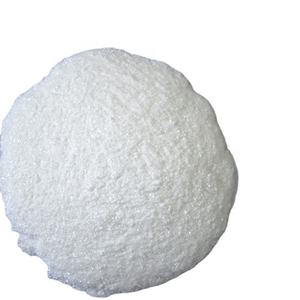
Hydroksypropylmetylcellulose (HPMC), hvis kinesiske navn er hydroksypropylmetylcellulose, er en halvsyntetisk, ikke-ionisk celluloseeter oppnådd ved kjemisk modifisering av naturlig cellulose. Dette hvite pulveret kan danne en gjennomsiktig viskøs løsning etter oppløsning i vann. Den har utmerket fortykning, vannretensjon, stabilitet og filmdannende egenskaper. Det er et uunnværlig multifunksjonelt tilsetningsstoff på mange områder som konstruksjon.
Characteristics and advantages of Hydroxypropyl Methyl Cellulose HPMC Mainly Used as Dispersing Agent in Production of PVC
Utmerket vannløselighet: Det kan raskt løses i kaldt vann for å danne en klar og stabil løsning.
Effektiv fortykkelse og vannretensjonsevne: Øk viskositeten til materialet, reduserer vannfordampning effektivt, og forbedre arbeidseffektiviteten.
God stabilitet: Den har god stabilitet mot syrer, alkalier, og salter, og er egnet for et bredt spekter av pH-verdier.
Filmdannende og beskyttende effekter: Etter tørking, den danner en tøff og gjennomsiktig film for å beskytte underlaget og forhindre vanninntrengning og fordampning.
Ikke-giftig og ikke-irriterende: Den har god biokompatibilitet og er egnet for feltene medisin og mat.
Justerbarhet: Ved å endre substitusjonsgrad og molekylvekt, ytelsen kan justeres for å møte ulike applikasjonskrav.

Specifications of Hydroxypropyl Methyl Cellulose HPMC Mainly Used as Dispersing Agent in Production of PVC
Hydroksypropylmetylcellulose (HPMC)– Secret Specifications for PVC Dispersing Applications
Produktanmeldelse
Hydroksypropylmetylcellulose (HPMC) is a white to beige, frittflytende pulver. Det flyter lett i kaldt vann og utvikler en klar, viskøst middel. In the manufacturing of polyvinyl chloride (PVC), HPMC works mostly as a spreading agent. It aids maintain PVC fragments equally spread out throughout suspension polymerization. This causes far better resin quality and even more consistent final products.
Trick Technical Specifications
Utseende: White or somewhat yellowish powder, odorless and safe.
Tykkelse (2% gudstjeneste kl 20 °C): Gjelder fra 4,000 til 100,000 mPa · s, stole på kvalitet. Typical grades utilized in PVC consist of 4,000– 15,000 mPa · s for optimal dispersion control.
Hydroksypropyl-nettinnhold: Usually 4– 12%.
Metoksylinnhold: Typically 19– 30%.
pH-verdi (2% service): 6.0– 8.0.
Fuktighetsinnhold: Ikke mer enn 5%.
Ask nettinnhold: Under 5%.
Efficiency Advantages in PVC Manufacturing
HPMC supports the monomer droplets in the activator. This prevents them from sticking together too early. På grunn av dette, the PVC material grains create with uniform size and shape. The item reveals excellent porosity, which enhances plasticizer absorption later on. HPMC likewise supports smooth activator operation by minimizing fouling on vessel wall surfaces. Its thermal stability enables it to execute well under regular polymerization temperatures (45– 70 °C).
Håndtering og lagringsplass
Lagre HPMC på en fantastisk måte, helt tørt sted. Maintain containers secured to avoid moisture uptake. Usage common industrial health practices when dealing with the powder. Stay clear of breathing dust and contact with eyes.

Applications of Hydroxypropyl Methyl Cellulose HPMC Mainly Used as Dispersing Agent in Production of PVC
Hydroksypropylmetylcellulose (HPMC) in PVC Manufacturing
Why HPMC Is Made Use Of as a Dispersing Agent
In the production of polyvinyl chloride (PVC), hydroksypropylmetylcellulose (HPMC) plays a key duty as a spreading agent. It aids keep PVC bits uniformly spread out throughout the manufacturing procedure. Without a great spreading agent, PVC material can form huge globs. This leads to bad item top quality and irregular efficiency.
HPMC functions well since it dissolves quickly in water and develops a secure option. This option twists around tiny droplets of plastic chloride monomer. It quits them from sticking together prematurely. På grunn av dette, the final PVC material has consistent particle size and smooth appearance. These qualities are important for making high-grade plastic items.
Benefits in Suspension Polymerization
A lot of PVC is made with suspension polymerization. In this technique, HPMC controls just how the reaction happens inside the activator. It maintains the monomer droplets different while they turn into solid PVC fragments. This provides suppliers far better control over the resin’s structure.
Utilizing HPMC likewise boosts heat transfer throughout the response. The procedure runs extra efficiently and safely. Less contaminations create, and the resin comes out cleaner. That suggests much less requirement for extra handling steps later on.
Efficiency and Dependability
HPMC is trusted because it performs regularly set after batch. It does not break down under typical response problems. It also mixes well with various other ingredients utilized in PVC manufacturing. This makes it simple to use in existing manufacturing configurations.
The ideal grade of HPMC aids accomplish the specific resin properties needed for different end utilizes– like pipes, wires, or packaging movies. Its capacity to make improvements bit qualities provides producers versatility without transforming their core process.
Bedriftsprofil
Vi er verdensledende innen lettbetong og avanserte konstruerte skumløsninger. Kjent globalt for sitt engasjement for forskning, innovasjon, og anvendt ekspertise, vi har levert konstruerte skumløsninger siden begynnelsen av 2012-årene.
Vi kan levere høykvalitets betongtilsetning og skumbetongrelaterte produkter over hele verden.
Selskapet har en profesjonell teknisk avdeling og kvalitetstilsynsavdeling, et velutstyrt laboratorium, og utstyrt med avansert testutstyr og kundeservicesenter etter salg.
Hvis du er interessert, vær så snill og kontakt oss.
Betaling
T/T, Western Union, Paypal, Kredittkort etc.
Forsendelse
Med fly, til sjøs, ved ekspress, som kundene ber om.
5 FAQs of Hydroxypropyl Methyl Cellulose HPMC Mainly Used as Dispersing Agent in Production of PVC
Frequently Asked Questions About HPMC as a Dispersing Agent in PVC Production
What is HPMC and why is it used in PVC production?
HPMC står for Hydroxypropyl Methyl Cellulose. It is a water-soluble polymer made from cellulose. In PVC production, HPMC fungerer som et dispergeringsmiddel. It helps keep PVC particles evenly spread in the reaction mixture. This leads to better resin quality and more consistent product performance.
How does HPMC improve PVC resin quality?
HPMC controls how PVC particles form during suspension polymerization. It prevents small droplets from sticking together too early. This results in uniform particle size and shape. Uniform particles mean the final PVC resin flows better, processes easier, and performs more reliably in end products.
Is HPMC safe for use in PVC manufacturing?
Ja. HPMC is non-toxic and chemically stable under typical PVC production conditions. It leaves no harmful residues in the final product. Many global regulatory bodies approve its use in industrial applications, including plastics manufacturing.
Can other dispersants replace HPMC in PVC production?
Some alternatives exist, but HPMC offers a strong balance of performance, koste, og brukervennlighet. Other agents may work in specific cases, but they often lack HPMC’s ability to give consistent particle structure across different production scales. Most manufacturers stick with HPMC for reliable results.
How is HPMC added during PVC production?
HPMC is mixed into the aqueous phase before monomer addition. It dissolves in water and forms a protective layer around vinyl chloride droplets. This layer keeps the droplets separate during polymerization. The amount used depends on the desired PVC grade, but typical dosages are low—usually under 0.1% of the total batch weight.
BE ET TILBUD
RELATERTE PRODUKTER
Høyrenhetshydroksypropylmetylcellulose HPMC 400 til 200000 MPAS for tørrblandingsproduktmørtelblanding til flislim
Factory Hydroxypropyl Methylcellulose HPMC free sample
Høykvalitets Hydroxypropyl Methyl Cellulose HPMC Chemical 200000
Industrielle kjemikalier hpmc methocel hpmc s brukes i papirprodukter av lær

HPMC For sementprodukter Ikke-giftig og luktfri 200000 cps Høy viskositet Grønn kvalitet
