Mea Faaopoopo Sima Mama | Su'esu'e Foa'e maualuga mo le Sima Cellular

FA'AVAE FA'AVAE
Fa'amatalaga
Introduction to Hydroxypropyl Methyl Cellulose HPMC Mainly Used as Dispersing Agent in Production of PVC
Hydroxypropyl Methylcellulose (HPMC), o lona igoa Saina o le hydroxypropyl methylcellulose, ose semi-synthetic, non-ionic cellulose ether maua e ala i kemikolo suia cellulose natura. O lenei pa'epa'e pa'epa'e e mafai ona fausia ai se vaifofo viscous manino pe'a uma ona fa'amavae i le vai. E sili ona mafiafia, taofi vai, mautu ma mea e fai ata tifaga. O se faʻaopoopoga multifunctional taua tele i le tele o matata e pei o le fausiaina.
Characteristics and advantages of Hydroxypropyl Methyl Cellulose HPMC Mainly Used as Dispersing Agent in Production of PVC
Lelei soluble vai: E mafai ona vave fa'amavae i le vai malulu e fai ai se vaifofo manino ma mautu.
Lelei mafiafia ma le gafatia vai: Faʻateleina le viscosity o mea, fa'aitiitia lelei le fa'asao o le vai, ma faaleleia atili galuega.
Lelei mautu: E lelei le mautu i acids, alkalis, ma masima, ma e talafeagai mo le tele o tulaga o le pH.
Aafiaga o le faia o ata tifaga ma le puipuiga: A uma ona fa'agogo, e fausia ai se ata tifaga faigata ma manino e puipuia ai le substrate ma puipuia le ulu o le vai ma fa'asao.
E le oona ma e le fa'aita: E iai le biocompatibility lelei ma e talafeagai mo fanua o vailaʻau ma meaʻai.
Fetuuna'i: E ala i le suia o le tikeri o le suitulaga ma le mamafa mole, e mafai ona fetuutuunai lona faatinoga e ausia manaoga eseese talosaga.

Specifications of Hydroxypropyl Methyl Cellulose HPMC Mainly Used as Dispersing Agent in Production of PVC
Hydroxypropyl Methyl Cellulose (HPMC)– Secret Specifications for PVC Dispersing Applications
Iloiloga o oloa
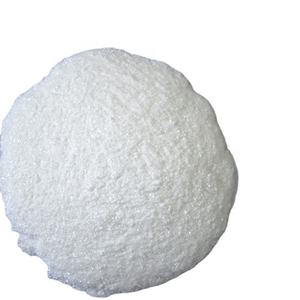
Hydroxypropyl Methyl Cellulose (HPMC) is a white to beige, e tafe fua le pauta. It liquifies easily in cool water and develops a clear, fofo viscous. In the manufacturing of polyvinyl chloride (PVC), HPMC works mostly as a spreading agent. It aids maintain PVC fragments equally spread out throughout suspension polymerization. This causes far better resin quality and even more consistent final products.
Togafiti Fa'amatalaga Fa'amatalaga
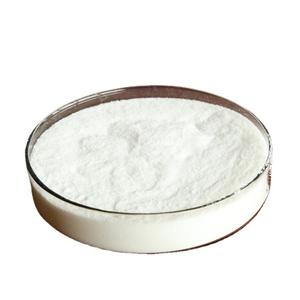
Fa'aaliga: White or somewhat yellowish powder, leai se manogi ma saogalemu.
mafiafia (2% auaunaga i 20 °C): Va'aiga mai 4,000 ia 100,000 mPa · s, fa'alagolago i uiga lelei. Typical grades utilized in PVC consist of 4,000– 15,000 mPa · s for optimal dispersion control.
Hydroxypropyl 'upega tafaʻilagi: Usually 4– 12%.
Methoxyl anotusi: Typically 19– 30%.
pH tau (2% auaunaga): 6.0– 8.0.
Susū i totonu: E le sili atu 5%.
Afu i luga ole laiga: Lalo 5%.
Efficiency Advantages in PVC Manufacturing
HPMC supports the monomer droplets in the activator. This prevents them from sticking together too early. Ona o lea mea, the PVC material grains create with uniform size and shape. The item reveals excellent porosity, which enhances plasticizer absorption later on. HPMC likewise supports smooth activator operation by minimizing fouling on vessel wall surfaces. Its thermal stability enables it to execute well under regular polymerization temperatures (45– 70 °C).
Taulimaina ma le teuina avanoa
Teu HPMC i se tulaga ofoofogia, nofoaga mago atoatoa. Maintain containers secured to avoid moisture uptake. Usage common industrial health practices when dealing with the powder. Stay clear of breathing dust and contact with eyes.

Applications of Hydroxypropyl Methyl Cellulose HPMC Mainly Used as Dispersing Agent in Production of PVC
Hydroxypropyl Methyl Cellulose (HPMC) in PVC Manufacturing
Why HPMC Is Made Use Of as a Dispersing Agent
In the production of polyvinyl chloride (PVC), hydroxypropyl methyl cellulose (HPMC) plays a key duty as a spreading agent. It aids keep PVC bits uniformly spread out throughout the manufacturing procedure. Without a great spreading agent, PVC material can form huge globs. This leads to bad item top quality and irregular efficiency.
HPMC functions well since it dissolves quickly in water and develops a secure option. This option twists around tiny droplets of plastic chloride monomer. It quits them from sticking together prematurely. Ona o lea mea, the final PVC material has consistent particle size and smooth appearance. These qualities are important for making high-grade plastic items.
Benefits in Suspension Polymerization
A lot of PVC is made with suspension polymerization. In this technique, HPMC controls just how the reaction happens inside the activator. It maintains the monomer droplets different while they turn into solid PVC fragments. This provides suppliers far better control over the resin’s structure.
Utilizing HPMC likewise boosts heat transfer throughout the response. The procedure runs extra efficiently and safely. Less contaminations create, and the resin comes out cleaner. That suggests much less requirement for extra handling steps later on.
Efficiency and Dependability
HPMC is trusted because it performs regularly set after batch. It does not break down under typical response problems. It also mixes well with various other ingredients utilized in PVC manufacturing. This makes it simple to use in existing manufacturing configurations.
The ideal grade of HPMC aids accomplish the specific resin properties needed for different end utilizes– pei o paipa, wires, or packaging movies. Its capacity to make improvements bit qualities provides producers versatility without transforming their core process.
Fa'amatalaga a le Kamupani
O matou o le ta'ita'i o le lalolagi i fofo mama mama ma fa'ainisinia foam fofo. Ua lauiloa i le lalolagi atoa mo lana tautinoga i suʻesuʻega, mea fou, ma fa'aoga tomai, ua matou tuʻuina atu fofo faʻainisinia foam talu mai le amataga o le 2012.
E mafai ona matou tu'uina atu mea fa'afefiloi sima maualuga ma oloa fa'atatau i sima foam i le lalolagi atoa.
O loʻo i ai i le kamupani se matagaluega faʻapitoa faʻapolofesa ma le mataʻituina lelei o le matagaluega, se falesuesue ua saunia lelei, ma faʻapipiʻiina i masini suʻesuʻe faʻapitoa ma le faʻatau atu o tagata faʻatau auaunaga.
Afai e te fiafia, faamolemole lagona le saoloto ma faafesootai matou.
Totogi
T/T, Western Union, Paypal, Credit Card etc.
utaina
E ala i le ea, i le sami, e ala i le faailoa atu, e pei ona talosagaina e tagata faatau.
5 FAQs of Hydroxypropyl Methyl Cellulose HPMC Mainly Used as Dispersing Agent in Production of PVC
Frequently Asked Questions About HPMC as a Dispersing Agent in PVC Production
What is HPMC and why is it used in PVC production?
HPMC e tu mo Hydroxypropyl Methyl Cellulose. It is a water-soluble polymer made from cellulose. In PVC production, E galue le HPMC ose sui fa'asalalau. It helps keep PVC particles evenly spread in the reaction mixture. This leads to better resin quality and more consistent product performance.
How does HPMC improve PVC resin quality?
HPMC controls how PVC particles form during suspension polymerization. It prevents small droplets from sticking together too early. This results in uniform particle size and shape. Uniform particles mean the final PVC resin flows better, processes easier, and performs more reliably in end products.
Is HPMC safe for use in PVC manufacturing?
Ioe. HPMC is non-toxic and chemically stable under typical PVC production conditions. It leaves no harmful residues in the final product. Many global regulatory bodies approve its use in industrial applications, including plastics manufacturing.
Can other dispersants replace HPMC in PVC production?
Some alternatives exist, but HPMC offers a strong balance of performance, tau, ma le faigofie o le faʻaaogaina. Other agents may work in specific cases, but they often lack HPMC’s ability to give consistent particle structure across different production scales. Most manufacturers stick with HPMC for reliable results.
How is HPMC added during PVC production?
HPMC is mixed into the aqueous phase before monomer addition. It dissolves in water and forms a protective layer around vinyl chloride droplets. This layer keeps the droplets separate during polymerization. The amount used depends on the desired PVC grade, but typical dosages are low—usually under 0.1% of the total batch weight.
TALOSAGA O SE FAI
O MEA E FAI AI

Hydroxypropyl Methyl Cellulose HPMC 200000 Aafiaga Mafiafia Maualuga
Tulaga Maualuluga ma Taugofie HPMC Chemical Auxiliary Agent mo Suavai Suavai ma Pepa Fuafuaga Vailaau
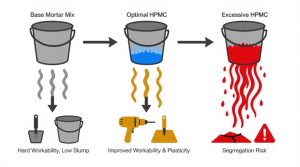
Hydroxy Propyl Methyl Cellulose (HPMC) ma cps eseese
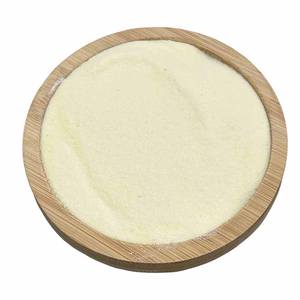
Hydroxypropyl Cellulose Hydroxypropyl Methyl Cellulose HPMC Lelei Lelei Fa'aaoga lautele HEC CMC Vasega Faufale

Factory Low Hpmc 200000 Cps Thickener Tile Adhesive Hpmc Hydroxypropyl Methyl Cellulose Mea Faufale