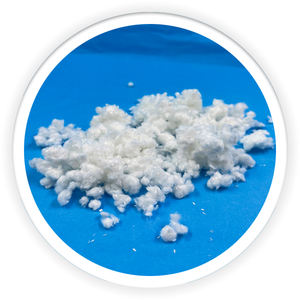
Nā Pākuʻi Paʻa Māmā | Nā ʻĀpana Hoʻohuʻi Kiʻekiʻe no ka Kelepona Kelepona

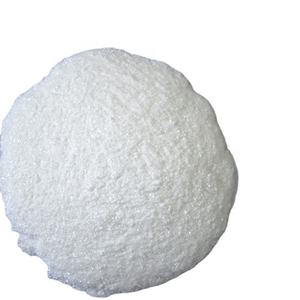
NA PALAPALA HUA
wehewehe
Introduction to Hydroxypropyl Methyl Cellulose HPMC Mainly Used as Dispersing Agent in Production of PVC
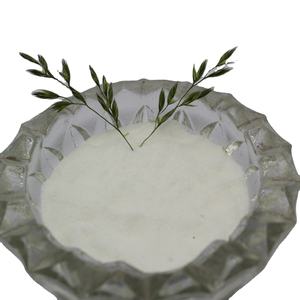
Hydroxypropyl Methylcellulose (HPMC), nona ka inoa Pake he hydroxypropyl methylcellulose, he semi-synthetic, non-ionic cellulose ether i loaʻa ma ke kemika hoʻololi ʻana i ka cellulose kūlohelohe. Hiki i kēia pauka keʻokeʻo ke hana i kahi hopena viscous akaka ma hope o ka hoʻoheheʻe ʻana i ka wai. He mānoanoa maikaʻi loa, paʻa wai, paʻa a me nā waiwai hana kiʻiʻoniʻoni. He mea hoʻohui multifunctional indispensable i nā kula he nui e like me ke kūkulu ʻana.
Characteristics and advantages of Hydroxypropyl Methyl Cellulose HPMC Mainly Used as Dispersing Agent in Production of PVC
Hiki ke hoʻoheheʻe wai: Hiki ke hoʻoheheʻe koke ʻia i loko o ka wai anuanu e hana i kahi hopena akaka a paʻa.
Hiki i ka mānoanoa a me ka mālama wai: E hoʻonui i ka viscosity o ka mea, e hoemi pono i ka wai, a hoʻomaikaʻi maikaʻi i ka hana.
Paʻa maikaʻi: Loaʻa iā ia ke kūpaʻa maikaʻi i nā waikawa, alkalis, a me nā paʻakai, a he kūpono ia no ka nui o nā waiwai pH.
Nā hopena kiʻiʻoniʻoni a me ka pale: Ma hope o ka maloʻo ʻana, hana ia i kahi kiʻiʻoniʻoni paʻakikī a maopopo e pale i ka substrate a pale i ke komo ʻana o ka wai a me ka evaporation.
ʻAʻohe mea ʻawaʻawa a me ka hoʻonāukiuki ʻole: Loaʻa iā ia ka biocompatibility maikaʻi a kūpono i nā ʻano lāʻau lapaʻau a me nā meaʻai.
Hoʻoponopono: Ma ka hoʻololi ʻana i ke degere o ka hoʻololi ʻana a me ke kaumaha molekala, hiki ke hoʻololi i kāna hana e hoʻokō i nā koi noi like ʻole.

Specifications of Hydroxypropyl Methyl Cellulose HPMC Mainly Used as Dispersing Agent in Production of PVC
Hydroxypropyl Methyl Cellulose (HPMC)– Secret Specifications for PVC Dispersing Applications
Nānā Huahana
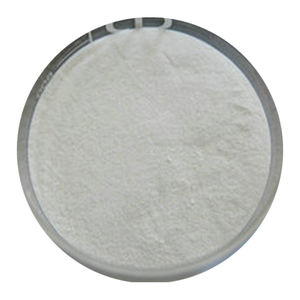
Hydroxypropyl Methyl Cellulose (HPMC) he keʻokeʻo i ka beige, pauda kahe manuahi. It liquifies easily in cool water and develops a clear, lāʻau viscous. In the manufacturing of polyvinyl chloride (PVC), HPMC works mostly as a spreading agent. It aids maintain PVC fragments equally spread out throughout suspension polymerization. This causes far better resin quality and even more consistent final products.
ʻO nā kikoʻī kikoʻī ʻenehana
Ka nana aku: White or somewhat yellowish powder, odorless and safe.
mānoanoa (2% lawelawe ma 20 ° C): Nā pae mai 4,000 i 100,000 mPa · s, e hilinaʻi ana i ka maikaʻi. Typical grades utilized in PVC consist of 4,000– 15,000 mPa · s for optimal dispersion control.
Hydroxypropyl web content: Usually 4– 12%.
Methoxyl content: Typically 19– 30%.
waiwai pH (2% lawelawe): 6.0– 8.0.
Dampness content: ʻAʻole ʻoi aku ma mua o 5%.
ʻIke pūnaewele lehu: Malalo 5%.
Efficiency Advantages in PVC Manufacturing
HPMC supports the monomer droplets in the activator. This prevents them from sticking together too early. Ma muli o kēia, the PVC material grains create with uniform size and shape. The item reveals excellent porosity, which enhances plasticizer absorption later on. HPMC likewise supports smooth activator operation by minimizing fouling on vessel wall surfaces. Its thermal stability enables it to execute well under regular polymerization temperatures (45– 70 ° C).
Wahi mālama a mālama
E mālama iā HPMC i kahi mea kupaianaha, wahi maloo loa. Maintain containers secured to avoid moisture uptake. Usage common industrial health practices when dealing with the powder. Stay clear of breathing dust and contact with eyes.

Applications of Hydroxypropyl Methyl Cellulose HPMC Mainly Used as Dispersing Agent in Production of PVC
Hydroxypropyl Methyl Cellulose (HPMC) in PVC Manufacturing
Why HPMC Is Made Use Of as a Dispersing Agent
In the production of polyvinyl chloride (PVC), hydroxypropyl methyl cellulose (HPMC) plays a key duty as a spreading agent. It aids keep PVC bits uniformly spread out throughout the manufacturing procedure. Without a great spreading agent, PVC material can form huge globs. This leads to bad item top quality and irregular efficiency.
HPMC functions well since it dissolves quickly in water and develops a secure option. This option twists around tiny droplets of plastic chloride monomer. It quits them from sticking together prematurely. Ma muli o kēia, the final PVC material has consistent particle size and smooth appearance. These qualities are important for making high-grade plastic items.
Benefits in Suspension Polymerization
A lot of PVC is made with suspension polymerization. In this technique, HPMC controls just how the reaction happens inside the activator. It maintains the monomer droplets different while they turn into solid PVC fragments. This provides suppliers far better control over the resin’s structure.
Utilizing HPMC likewise boosts heat transfer throughout the response. The procedure runs extra efficiently and safely. Less contaminations create, and the resin comes out cleaner. That suggests much less requirement for extra handling steps later on.
Efficiency and Dependability
HPMC is trusted because it performs regularly set after batch. It does not break down under typical response problems. It also mixes well with various other ingredients utilized in PVC manufacturing. This makes it simple to use in existing manufacturing configurations.
The ideal grade of HPMC aids accomplish the specific resin properties needed for different end utilizes– like pipes, wires, or packaging movies. Its capacity to make improvements bit qualities provides producers versatility without transforming their core process.
ʻO ka moʻolelo o ka hui
ʻO mākou ke alakaʻi o ka honua i nā ʻenehana māmā a me nā hoʻonā ʻenehana i hana ʻia. ʻIke ʻia ma ka honua holoʻokoʻa no kāna kūpaʻa i ka noiʻi, mea hou, a me ka ʻike noiʻi, ke hāʻawi nei mākou i nā hoʻonā ʻenehana i hana ʻia mai ka makahiki 2012.
Hiki iā mākou ke hāʻawi aku i ka hoʻohui ʻana i nā mea hoʻohui kiʻekiʻe kiʻekiʻe a me nā huahana pili i ka foam concrete a puni ka honua.
He keʻena ʻenehana ʻoihana a me ka ʻoihana kiaʻi maikaʻi ka hui, he hale hana i hoolako pono ia, a hoʻolako ʻia me nā lako hoʻāʻo kiʻekiʻe a me ke kikowaena lawelawe mea kūʻai aku ma hope o ke kūʻai aku.
Inā hoihoi ʻoe, e ʻoluʻolu a e hoʻokaʻaʻike mai iā mākou.
Uku
T/T, Hui Komohana, Paypal, Kāleka ʻaiʻē etc.
Hoʻouna
Ma ka lewa, ma ke kai, ma ka hoike, e like me ke noi a nā mea kūʻai aku.
5 FAQs of Hydroxypropyl Methyl Cellulose HPMC Mainly Used as Dispersing Agent in Production of PVC
Frequently Asked Questions About HPMC as a Dispersing Agent in PVC Production
What is HPMC and why is it used in PVC production?
He kū ka HPMC no Hydroxypropyl Methyl Cellulose. It is a water-soluble polymer made from cellulose. In PVC production, HPMC works as a dispersing agent. It helps keep PVC particles evenly spread in the reaction mixture. This leads to better resin quality and more consistent product performance.
How does HPMC improve PVC resin quality?
HPMC controls how PVC particles form during suspension polymerization. It prevents small droplets from sticking together too early. This results in uniform particle size and shape. Uniform particles mean the final PVC resin flows better, processes easier, and performs more reliably in end products.
Is HPMC safe for use in PVC manufacturing?
ʻAe. HPMC is non-toxic and chemically stable under typical PVC production conditions. It leaves no harmful residues in the final product. Many global regulatory bodies approve its use in industrial applications, including plastics manufacturing.
Can other dispersants replace HPMC in PVC production?
Some alternatives exist, but HPMC offers a strong balance of performance, koina, and ease of use. Other agents may work in specific cases, but they often lack HPMC’s ability to give consistent particle structure across different production scales. Most manufacturers stick with HPMC for reliable results.
How is HPMC added during PVC production?
HPMC is mixed into the aqueous phase before monomer addition. It dissolves in water and forms a protective layer around vinyl chloride droplets. This layer keeps the droplets separate during polymerization. The amount used depends on the desired PVC grade, but typical dosages are low—usually under 0.1% of the total batch weight.
NOI I KA PALAPALA
NA HUAKAI PILI
High viscosity Cellulose Ether HPMC no EIFS ETICS e hāʻawi i ka hana maikaʻi loa a me ka manawa hana lōʻihi.

Nā huahana kemika i kēlā me kēia lā, mea maka, nā mea holoi holoi, mea hoʻohui, mea mānoanoa, pauda keʻokeʻo, 200000 viscosity hpmc
Best Viscosity Supply Hydroxypropyl Methyl Cellulose HPMC Cellulose Chemical Powder for Wall Putty Gypsum Additive
High Water Retention Hydroxypropyl Methyl Cellulose HPMC Thickener Agent Ceramic Grade Cellulose Ether for Honeycomb Ceramics
High strength polypropylene fiber concrete good dimensional stability polypropylene fiber pp fiber for tile adhesive