


Nga Whakapiri Raima Maamaa | Nga Kaipupuhi Hukarere Mahinga Nui mo te Raima Pukoro

NGA TAATA HUA
Whakaahuatanga
Introduction to Hydroxypropyl Methyl Cellulose HPMC Mainly Used as Dispersing Agent in Production of PVC
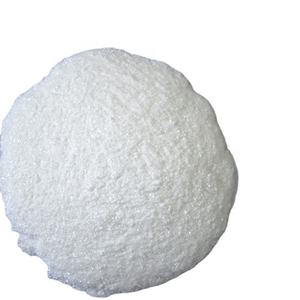
Hydroxypropyl Methylcellulose (HPMC), ko tona ingoa Hainamana ko te hydroxypropyl methylcellulose, he mea hangarua, Ko te etera cellulose kore katote i whiwhi ma te whakarereke matū i te cellulose taiao. Ka taea e tenei paura ma te hanga i te wairewa maamaa marama i muri i te rewa ki te wai. He tino pai te matotoru, pupuri wai, pūmautanga me ngā āhuatanga hanga kiriata. He taapiri taapiri tino nui i roto i nga waahanga maha penei i te hanga.
Characteristics and advantages of Hydroxypropyl Methyl Cellulose HPMC Mainly Used as Dispersing Agent in Production of PVC
Te wairewa tino pai: Ka tere te memeha i roto i te wai matao kia puta he otinga maamaa me te pumau.
Te kaha ki te whakamaroke me te pupuri wai: Whakanuia te viscosity o te rauemi, pai te whakaiti i te whakaetonga wai, me te whakapai ake i te pai o te mahi.
He pai te pumau: He pai te pumau ki nga waikawa, kawakore, me nga tote, a he pai mo te whānuitanga o nga uara pH.
Te hanga kiriata me nga paanga whakamarumaru: I muri i te whakamaroke, hanga he kiriata uaua me te marama ki te tiaki i te tïpako me te aukati i te kuhu o te wai me te whakaetonga.
Kore paitini me te kore whakapouri: He pai te koiora me te pai mo nga mara rongoa me te kai.
Te whakatikatika: Ma te huri i te tohu whakakapinga me te taumaha ngota, ka taea te whakatika i tana mahi ki te whakatutuki i nga whakaritenga tono rereke.

Specifications of Hydroxypropyl Methyl Cellulose HPMC Mainly Used as Dispersing Agent in Production of PVC
Hydroxypropyl Methyl Cellulose (HPMC)– Secret Specifications for PVC Dispersing Applications
Arotake Hua
Hydroxypropyl Methyl Cellulose (HPMC) is a white to beige, paura rere noa. It liquifies easily in cool water and develops a clear, rongoa viscous. In the manufacturing of polyvinyl chloride (PVC), HPMC works mostly as a spreading agent. It aids maintain PVC fragments equally spread out throughout suspension polymerization. This causes far better resin quality and even more consistent final products.
Whakatakotoranga Hangarau tinihanga
Te ahua: White or somewhat yellowish powder, odorless and safe.
Te matotoru (2% ratonga i 20 ° C): Awhe mai 4,000 ki 100,000 mPa · s, e whakawhirinaki ana ki te kounga. Typical grades utilized in PVC consist of 4,000– 15,000 mPa · s for optimal dispersion control.
Hydroxypropyl ihirangi paetukutuku: Usually 4– 12%.
Te ihirangi methoxyl: Typically 19– 30%.
uara pH (2% ratonga): 6.0– 8.0.
Te ihirangi haumākū: Kaua e nui ake 5%.
He ihirangi tukutuku pungarehu: Kei raro 5%.
Efficiency Advantages in PVC Manufacturing
HPMC supports the monomer droplets in the activator. This prevents them from sticking together too early. Na tenei, the PVC material grains create with uniform size and shape. The item reveals excellent porosity, which enhances plasticizer absorption later on. HPMC likewise supports smooth activator operation by minimizing fouling on vessel wall surfaces. Its thermal stability enables it to execute well under regular polymerization temperatures (45– 70 ° C).
Te whakahaere me te waahi rokiroki
Rokiroki HPMC i roto i te mīharo, wahi maroke rawa. Maintain containers secured to avoid moisture uptake. Usage common industrial health practices when dealing with the powder. Stay clear of breathing dust and contact with eyes.

Applications of Hydroxypropyl Methyl Cellulose HPMC Mainly Used as Dispersing Agent in Production of PVC
Hydroxypropyl Methyl Cellulose (HPMC) in PVC Manufacturing
Why HPMC Is Made Use Of as a Dispersing Agent
In the production of polyvinyl chloride (PVC), hydroxypropyl methyl cellulose (HPMC) plays a key duty as a spreading agent. It aids keep PVC bits uniformly spread out throughout the manufacturing procedure. Without a great spreading agent, PVC material can form huge globs. This leads to bad item top quality and irregular efficiency.
HPMC functions well since it dissolves quickly in water and develops a secure option. This option twists around tiny droplets of plastic chloride monomer. It quits them from sticking together prematurely. Na tenei, the final PVC material has consistent particle size and smooth appearance. These qualities are important for making high-grade plastic items.
Benefits in Suspension Polymerization
A lot of PVC is made with suspension polymerization. In this technique, HPMC controls just how the reaction happens inside the activator. It maintains the monomer droplets different while they turn into solid PVC fragments. This provides suppliers far better control over the resin’s structure.
Utilizing HPMC likewise boosts heat transfer throughout the response. The procedure runs extra efficiently and safely. Less contaminations create, and the resin comes out cleaner. That suggests much less requirement for extra handling steps later on.
Efficiency and Dependability
HPMC is trusted because it performs regularly set after batch. It does not break down under typical response problems. It also mixes well with various other ingredients utilized in PVC manufacturing. This makes it simple to use in existing manufacturing configurations.
The ideal grade of HPMC aids accomplish the specific resin properties needed for different end utilizes– like pipes, wires, or packaging movies. Its capacity to make improvements bit qualities provides producers versatility without transforming their core process.
Kōtaha Kamupene
Ko matou te kaihautu o te ao mo nga raima maamaa me nga otinga pahuka i hangaia. E mohiotia ana puta noa i te ao mo tana pono ki te rangahau, auahatanga, me te tohungatanga tono, kua whakaratohia e matou he otinga pahuka i hangaia mai i te timatanga o te tau 2012.
Ka taea e matou te whakarato i te whakauru raima kounga teitei me nga hua e pa ana ki te raima pahuka puta noa i te ao.
Ko te kamupene he tari hangarau ngaio me te tari tirotiro kounga, he taiwhanga pai rawa atu, me nga taputapu whakamatautau matatau me te pokapū ratonga kaihoko muri-hoko.
Mena kei te hiahia koe, tēnā koa whakapā mai ki a mātou.
Utu
T/T, Western Union, Paypal, Kaari nama etc.
Tukunga
Ma te hau, ma te moana, mā te whakapuaki, kia rite ki te tono a nga kaihoko.
5 FAQs of Hydroxypropyl Methyl Cellulose HPMC Mainly Used as Dispersing Agent in Production of PVC
Frequently Asked Questions About HPMC as a Dispersing Agent in PVC Production
What is HPMC and why is it used in PVC production?
Ko te HPMC te tu mo Hydroxypropyl Methyl Cellulose. It is a water-soluble polymer made from cellulose. In PVC production, HPMC works as a dispersing agent. It helps keep PVC particles evenly spread in the reaction mixture. This leads to better resin quality and more consistent product performance.
How does HPMC improve PVC resin quality?
HPMC controls how PVC particles form during suspension polymerization. It prevents small droplets from sticking together too early. This results in uniform particle size and shape. Uniform particles mean the final PVC resin flows better, processes easier, and performs more reliably in end products.
Is HPMC safe for use in PVC manufacturing?
Ae. HPMC is non-toxic and chemically stable under typical PVC production conditions. It leaves no harmful residues in the final product. Many global regulatory bodies approve its use in industrial applications, including plastics manufacturing.
Can other dispersants replace HPMC in PVC production?
Some alternatives exist, but HPMC offers a strong balance of performance, utu, me te ngawari o te whakamahi. Other agents may work in specific cases, but they often lack HPMC’s ability to give consistent particle structure across different production scales. Most manufacturers stick with HPMC for reliable results.
How is HPMC added during PVC production?
HPMC is mixed into the aqueous phase before monomer addition. It dissolves in water and forms a protective layer around vinyl chloride droplets. This layer keeps the droplets separate during polymerization. The amount used depends on the desired PVC grade, but typical dosages are low—usually under 0.1% of the total batch weight.
TONO HE KORERO
HUA HUA
TZKJ Hydroxypropyl Methyl Cellulose HPMC Supply Industrial Chemical for Dry Mortar

CAS9004-64-3 HPMC thickener agent hopi hopi rauemi Paku HPMC
High Purity Hydroxypropyl Methyl Cellulose HPMC 400 ki 200000 MPAS mo nga Hua Whakaranu maroke mo te moata Admixture Tile Adhesives

He Tiwhikete ISO HEMC/MHEC/HPMC Kaituku Whakawatea mo te hopi wai hei whakakapi i a Mecellose FMC 8821
Hydroxypropyl Methyl Cellulose HPMC Cellulose mo nga moata Tile Sima
