Izongezo zeConcrete eziKhala | Ii-Agents eziFoaming eziSebenza ngokuPhezulu kwiSellula Concrete

IIPARAMETHA ZEMVELISO
Inkcazo
Introduction to Hydroxypropyl Methyl Cellulose HPMC Mainly Used as Dispersing Agent in Production of PVC
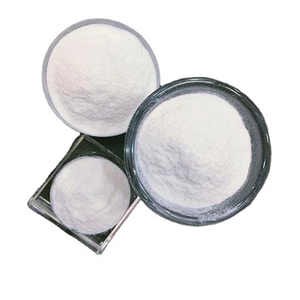
Hydroxypropyl Methylcellulose (HPMC), ogama lesiTshayina liyihydroxypropyl methylcellulose, yi-semi-synthetic, I-non-ionic cellulose ether efunyenwe ngokuguqula iikhemikhali zeselulosi yendalo. Lo mgubo omhlophe unokwenza isisombululo se-viscous esicacileyo emva kokunyibilika emanzini. Inokuqina okugqwesileyo, ukugcinwa kwamanzi, uzinzo kunye neempawu zokwenza ifilimu. Sisongezo esiyimfuneko esinemisebenzi emininzi kwiinkalo ezininzi ezinjengokwakha.
Characteristics and advantages of Hydroxypropyl Methyl Cellulose HPMC Mainly Used as Dispersing Agent in Production of PVC
Ukunyibilika okugqwesileyo kwamanzi: Inokuchithwa ngokukhawuleza emanzini abandayo ukwenza isisombululo esicacileyo nesizinzileyo.
Ukuqina okusebenzayo kunye nokukwazi ukugcina amanzi: Ukwandisa i-viscosity yezinto eziphathekayo, ngokufanelekileyo ukunciphisa ukuphuphuma kwamanzi, kunye nokuphucula ukusebenza kakuhle.
Uzinzo oluhle: Inozinzo oluhle kwiiasidi, iialkali, kunye neetyuwa, kwaye ilungele uluhlu olubanzi lwamaxabiso e-pH.
Ukwenza ifilimu kunye neziphumo zokukhusela: Emva kokumisa, yenza ifilimu eqinile kwaye ecacileyo ukukhusela i-substrate kunye nokuthintela ukungena kwamanzi kunye nokuphuma kwamanzi.
Ayinatyhefu kwaye ayicaphukisi: Ine-biocompatibility elungileyo kwaye ifanelekile kumasimi amayeza kunye nokutya.
Ukulungelelaniswa: Ngokutshintsha iqondo lokuthatha indawo kunye nobunzima bemolekyuli, ukusebenza kwayo kunokulungiswa ukuhlangabezana neemfuno ezahlukeneyo zesicelo.

Specifications of Hydroxypropyl Methyl Cellulose HPMC Mainly Used as Dispersing Agent in Production of PVC
Hydroxypropyl Methyl Cellulose (HPMC)– Secret Specifications for PVC Dispersing Applications
Uphononongo lweMveliso
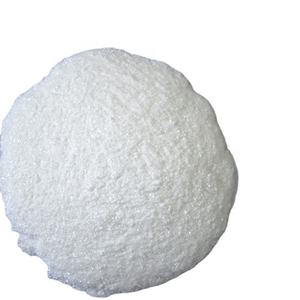
Hydroxypropyl Methyl Cellulose (HPMC) is a white to beige, umgubo okhululekileyo. Iyancibilika ngokulula emanzini apholileyo kwaye iphuhlise icace, iyeza le-viscous. In the manufacturing of polyvinyl chloride (I-PVC), HPMC works mostly as a spreading agent. It aids maintain PVC fragments equally spread out throughout suspension polymerization. This causes far better resin quality and even more consistent final products.
IiNkcazo zeQhinga lobuGcisa
Imbonakalo: White or somewhat yellowish powder, odorless and safe.
Ukutyeba (2% inkonzo kwi 20 °C): Uluhlu ukusuka 4,000 ukuya 100,000 mPa · s, ukuxhomekeka kumgangatho. Typical grades utilized in PVC consist of 4,000– 15,000 mPa · s for optimal dispersion control.
Umxholo wewebhu weHydroxypropyl: Usually 4– 12%.
Umxholo weMethoxyl: Typically 19– 30%.
ixabiso pH (2% inkonzo): 6.0– 8.0.
Umxholo wobumanzi: Hayi ngaphezulu kwe 5%.
Uthuthu lwewebhu umxholo: Ngezantsi 5%.
Efficiency Advantages in PVC Manufacturing
HPMC supports the monomer droplets in the activator. This prevents them from sticking together too early. Ngenxa yale nto, the PVC material grains create with uniform size and shape. The item reveals excellent porosity, which enhances plasticizer absorption later on. HPMC likewise supports smooth activator operation by minimizing fouling on vessel wall surfaces. Its thermal stability enables it to execute well under regular polymerization temperatures (45– 70 °C).
Indawo yokuphatha kunye neyoGcino
Gcina HPMC ngendlela emangalisayo, indawo eyomileyo ngokupheleleyo. Maintain containers secured to avoid moisture uptake. Usage common industrial health practices when dealing with the powder. Stay clear of breathing dust and contact with eyes.

Applications of Hydroxypropyl Methyl Cellulose HPMC Mainly Used as Dispersing Agent in Production of PVC
Hydroxypropyl Methyl Cellulose (HPMC) in PVC Manufacturing
Why HPMC Is Made Use Of as a Dispersing Agent
In the production of polyvinyl chloride (I-PVC), i-hydroxypropyl methyl cellulose (HPMC) plays a key duty as a spreading agent. It aids keep PVC bits uniformly spread out throughout the manufacturing procedure. Without a great spreading agent, PVC material can form huge globs. This leads to bad item top quality and irregular efficiency.
HPMC functions well since it dissolves quickly in water and develops a secure option. This option twists around tiny droplets of plastic chloride monomer. It quits them from sticking together prematurely. Ngenxa yale nto, the final PVC material has consistent particle size and smooth appearance. These qualities are important for making high-grade plastic items.
Benefits in Suspension Polymerization
A lot of PVC is made with suspension polymerization. In this technique, HPMC controls just how the reaction happens inside the activator. It maintains the monomer droplets different while they turn into solid PVC fragments. This provides suppliers far better control over the resin’s structure.
Utilizing HPMC likewise boosts heat transfer throughout the response. The procedure runs extra efficiently and safely. Less contaminations create, and the resin comes out cleaner. That suggests much less requirement for extra handling steps later on.
Efficiency and Dependability
HPMC is trusted because it performs regularly set after batch. It does not break down under typical response problems. It also mixes well with various other ingredients utilized in PVC manufacturing. This makes it simple to use in existing manufacturing configurations.
The ideal grade of HPMC aids accomplish the specific resin properties needed for different end utilizes– njengemibhobho, iingcingo, or packaging movies. Its capacity to make improvements bit qualities provides producers versatility without transforming their core process.
Iprofayile yekhampani
Siyinkokeli yehlabathi kwikhonkrithi ekhaphukhaphu kunye nezisombululo zogwebu zobunjineli obuphambili. Yaziwa kwihlabathi jikelele ngokuzibophelela kuphando, ukusungula izinto ezintsha, kunye nobuchule obusetyenzisiweyo, besibonelela ngezisombululo zamagwebu ezinobunjineli ukusukela ekuqaleni kowama-2012.
Singabonelela ngomxube wekonkrithi okumgangatho ophezulu kunye neemveliso ezinxulumene nekhonkrithi egwebu kwihlabathi liphela.
Inkampani inesebe lobuchwephesha lobuchwephesha kunye nesebe lokulawula umgangatho, ilabhoratri enezixhobo ezifanelekileyo, kwaye ixhotyiswe ngezixhobo zokuvavanya eziphambili kunye neziko lenkonzo yabathengi emva kokuthengisa.
Ukuba unomdla, nceda uzive ukhululekile kwaye uqhagamshelane nathi.
Intlawulo
T/T, uwestern Union, I-Paypal, Ikhadi letyala njl.
Ukuthunyelwa ngenqanawa
Ngomoya, ngolwandle, nge-express, njengoko abathengi becela.
5 FAQs of Hydroxypropyl Methyl Cellulose HPMC Mainly Used as Dispersing Agent in Production of PVC
Frequently Asked Questions About HPMC as a Dispersing Agent in PVC Production
What is HPMC and why is it used in PVC production?
I-HPMC imele iHydroxypropyl Methyl Cellulose. It is a water-soluble polymer made from cellulose. In PVC production, HPMC works as a dispersing agent. It helps keep PVC particles evenly spread in the reaction mixture. This leads to better resin quality and more consistent product performance.
How does HPMC improve PVC resin quality?
HPMC controls how PVC particles form during suspension polymerization. It prevents small droplets from sticking together too early. This results in uniform particle size and shape. Uniform particles mean the final PVC resin flows better, processes easier, and performs more reliably in end products.
Is HPMC safe for use in PVC manufacturing?
Ewe. HPMC is non-toxic and chemically stable under typical PVC production conditions. It leaves no harmful residues in the final product. Many global regulatory bodies approve its use in industrial applications, including plastics manufacturing.
Can other dispersants replace HPMC in PVC production?
Some alternatives exist, but HPMC offers a strong balance of performance, iindleko, kunye nokulula ukusetyenziswa. Other agents may work in specific cases, but they often lack HPMC’s ability to give consistent particle structure across different production scales. Most manufacturers stick with HPMC for reliable results.
How is HPMC added during PVC production?
HPMC is mixed into the aqueous phase before monomer addition. It dissolves in water and forms a protective layer around vinyl chloride droplets. This layer keeps the droplets separate during polymerization. The amount used depends on the desired PVC grade, but typical dosages are low—usually under 0.1% of the total batch weight.
CELA ISICATSHULWA
IIMVELISO EZINXULUMENEYO

Ipeyinti eThickener iHydroxypropyl Methyl Cellulose HPMC HEC KelloCel ukuze ithathe indawo yeNatrosol 250 I-HBR yeepeyinti
I-HPMC i-viscosity ephezulu ye-ZC200000cps yeemveliso zokucoca zaseKhaya hpmc ngokukhawuleza kwaye inyibilika lula

Jinghong Chemical Hydroxypropyl Methyl Cellulose HPMC for Pakistan Market Low Acrylic Polymer Powder for Detergent
Thickening Agent Mecellose Hydroxypropyl Methyl Cellulose HPMC

99.9% Hydroxypropyl Methyl Cellulose High Quality HPMC Chemical HPMC