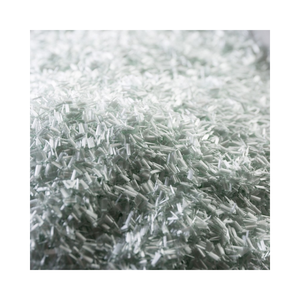
Li-additives tsa Konkreite tse bobebe | Li-Agents tse Foaming tse Phahameng ka ho Fetisisa bakeng sa Konkreite ea Cellular

LITLHAKISO TSA LITŠOANTŠISO
Tlhaloso
Introduction to Hydroxypropyl Methyl Cellulose HPMC Mainly Used as Dispersing Agent in Production of PVC
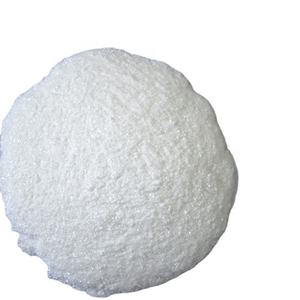
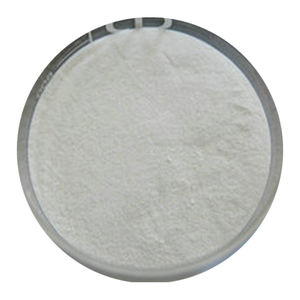
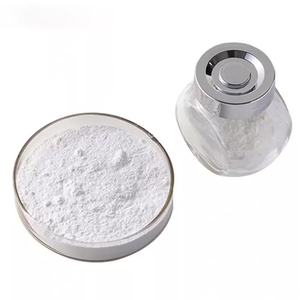
Hydroxypropyl methylcellulose (HPMC), eo lebitso la hae la Sechaena e leng hydroxypropyl methylcellulose, ke semi-synthetic, non-ionic cellulose ether e fumanoang ka ho fetola lik'hemik'hale selulose ea tlhaho. Phofo ena e tšoeu e ka etsa tharollo e hlakileng ea viscous ka mor'a hore e qhibilihe ka metsing. E na le thickening e babatsehang, ho boloka metsi, botsitso le thepa ea ho etsa lifilimi. Ke tlatsetso ea bohlokoa ea mesebetsi e mengata mafapheng a mangata joalo ka kaho.
Characteristics and advantages of Hydroxypropyl Methyl Cellulose HPMC Mainly Used as Dispersing Agent in Production of PVC
Ho qhibiliha ha metsi hantle: E ka qhibiliha ka potlako metsing a batang ho etsa tharollo e hlakileng le e tsitsitseng.
Bokhoni bo sebetsang ba ho tiisa le ho boloka metsi: Eketsa viscosity ea lintho tse bonahalang, ka katleho fokotsa mouoane oa metsi, le ho ntlafatsa katleho ea mosebetsi.
Botsitso bo botle: E na le botsitso bo botle ho li-acids, alkalis, le matsoai, mme e loketse mefuta e mengata ya pH ya boleng.
Ho etsa lifilimi le litlamorao tse sireletsang: Kamora ho omisa, e etsa filimi e thata le e hlakileng ho sireletsa substrate le ho thibela ho kenella ha metsi le ho fetoha mouoane.
E se nang chefo ebile e sa tenehe: E na le biocompatibility e ntle mme e loketse masimo a meriana le lijo.
Ho fetoha: Ka ho fetola tekanyo ea ho fetola le boima ba molek'hule, tshebetso ea eona e ka fetoloa ho finyella litlhoko tse fapaneng tsa kopo.

Specifications of Hydroxypropyl Methyl Cellulose HPMC Mainly Used as Dispersing Agent in Production of PVC
Hydroxypropyl Methyl Cellulose (HPMC)– Secret Specifications for PVC Dispersing Applications
Tlhahlobo ea Sehlahisoa
Hydroxypropyl Methyl Cellulose (HPMC) is a white to beige, phofo e phallang ka bolokolohi. It liquifies easily in cool water and develops a clear, pheko ea viscous. In the manufacturing of polyvinyl chloride (PVC), HPMC works mostly as a spreading agent. It aids maintain PVC fragments equally spread out throughout suspension polymerization. This causes far better resin quality and even more consistent final products.
Litlhaloso tsa Trick Technical
Ponahalo: White or somewhat yellowish powder, odorless and safe.
Botenya (2% tšebeletso ho 20 °C): Ranges ho tloha 4,000 ho 100,000 mPa · s, ho itshetleha ka boleng. Typical grades utilized in PVC consist of 4,000– 15,000 mPa · s for optimal dispersion control.
Likahare tsa marang-rang tsa Hydroxypropyl: Usually 4– 12%.
Likahare tsa Methoxyl: Typically 19– 30%.
pH boleng (2% tshebeletso): 6.0– 8.0.
Likahare tsa mongobo: Eseng ho feta 5%.
Litaba tsa webosaete tsa molora: Ka tlase 5%.
Efficiency Advantages in PVC Manufacturing
HPMC supports the monomer droplets in the activator. This prevents them from sticking together too early. Ka lebaka la sena, the PVC material grains create with uniform size and shape. The item reveals excellent porosity, which enhances plasticizer absorption later on. HPMC likewise supports smooth activator operation by minimizing fouling on vessel wall surfaces. Its thermal stability enables it to execute well under regular polymerization temperatures (45– 70 °C).
Sebaka sa ho tšoara le ho boloka
Boloka HPMC ka mokhoa o makatsang, sebaka se omileng ka botlalo. Maintain containers secured to avoid moisture uptake. Usage common industrial health practices when dealing with the powder. Stay clear of breathing dust and contact with eyes.

Applications of Hydroxypropyl Methyl Cellulose HPMC Mainly Used as Dispersing Agent in Production of PVC
Hydroxypropyl Methyl Cellulose (HPMC) in PVC Manufacturing
Why HPMC Is Made Use Of as a Dispersing Agent
In the production of polyvinyl chloride (PVC), hydroxypropyl methyl cellulose (HPMC) plays a key duty as a spreading agent. It aids keep PVC bits uniformly spread out throughout the manufacturing procedure. Without a great spreading agent, PVC material can form huge globs. This leads to bad item top quality and irregular efficiency.
HPMC functions well since it dissolves quickly in water and develops a secure option. This option twists around tiny droplets of plastic chloride monomer. It quits them from sticking together prematurely. Ka lebaka la sena, the final PVC material has consistent particle size and smooth appearance. These qualities are important for making high-grade plastic items.
Benefits in Suspension Polymerization
A lot of PVC is made with suspension polymerization. In this technique, HPMC controls just how the reaction happens inside the activator. It maintains the monomer droplets different while they turn into solid PVC fragments. This provides suppliers far better control over the resin’s structure.
Utilizing HPMC likewise boosts heat transfer throughout the response. The procedure runs extra efficiently and safely. Less contaminations create, and the resin comes out cleaner. That suggests much less requirement for extra handling steps later on.
Efficiency and Dependability
HPMC is trusted because it performs regularly set after batch. It does not break down under typical response problems. It also mixes well with various other ingredients utilized in PVC manufacturing. This makes it simple to use in existing manufacturing configurations.
The ideal grade of HPMC aids accomplish the specific resin properties needed for different end utilizes– joalo ka liphaephe, wires, or packaging movies. Its capacity to make improvements bit qualities provides producers versatility without transforming their core process.
Boemo ba Khoebo
Re moetapele oa lefats'e oa konkreite e bobebe le tharollo ea foam e tsoetseng pele. E tsebahala lefatšeng ka bophara ka boitlamo ba eona ba ho etsa lipatlisiso, popontshwa, le botsebi bo sebelisitsoeng, esale re fana ka tharollo ea foam e entsoeng ka boenjiniere ho tloha qalong ea 2012.
Re ka fana ka motsoako oa boleng bo holimo oa konkreite le lihlahisoa tse amanang le konkreite ea foam lefatšeng ka bophara.
Khampani e na le lefapha la litsebi tsa theknoloji le lefapha la tlhokomelo ea boleng, laboratori e nang le lisebelisoa hantle, hape e na le lisebelisoa tse tsoetseng pele tsa tlhahlobo le setsi sa litšebeletso tsa bareki ka mor'a thekiso.
Haeba u thahasella, ka kopo ikutloe u lokolohile 'me u ikopanye le rona.
Tefo
T/T, phetiso ea chelete e bitsoang western union, Paypal, Credit Card etc.
Thomello
Ka moea, ka leoatle, ka Express, joalo ka ha bareki ba kopa.
5 FAQs of Hydroxypropyl Methyl Cellulose HPMC Mainly Used as Dispersing Agent in Production of PVC
Frequently Asked Questions About HPMC as a Dispersing Agent in PVC Production
What is HPMC and why is it used in PVC production?
HPMC e emetse Hydroxypropyl Methyl Cellulose. It is a water-soluble polymer made from cellulose. In PVC production, HPMC works as a dispersing agent. It helps keep PVC particles evenly spread in the reaction mixture. This leads to better resin quality and more consistent product performance.
How does HPMC improve PVC resin quality?
HPMC controls how PVC particles form during suspension polymerization. It prevents small droplets from sticking together too early. This results in uniform particle size and shape. Uniform particles mean the final PVC resin flows better, processes easier, and performs more reliably in end products.
Is HPMC safe for use in PVC manufacturing?
Ee. HPMC is non-toxic and chemically stable under typical PVC production conditions. It leaves no harmful residues in the final product. Many global regulatory bodies approve its use in industrial applications, including plastics manufacturing.
Can other dispersants replace HPMC in PVC production?
Some alternatives exist, but HPMC offers a strong balance of performance, litšenyehelo, le boiketlo ba tšebeliso. Other agents may work in specific cases, but they often lack HPMC’s ability to give consistent particle structure across different production scales. Most manufacturers stick with HPMC for reliable results.
How is HPMC added during PVC production?
HPMC is mixed into the aqueous phase before monomer addition. It dissolves in water and forms a protective layer around vinyl chloride droplets. This layer keeps the droplets separate during polymerization. The amount used depends on the desired PVC grade, but typical dosages are low—usually under 0.1% of the total batch weight.
KOPO KHOPO
LIHLAHISO TSE HLAHANG
Li-additives tsa Concrete Hydroxypropyl Methyl Cellulose HPMC Kereiti ea Kaho e Sebelisitsoeng Mosebetsing oa Setene le Samente
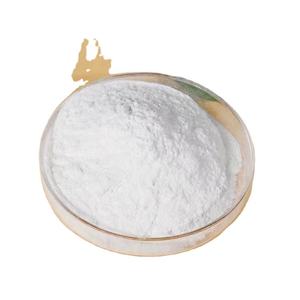
Powder Tile Adhesives Industrial Grade Hydroxypropyl Methyl Cellulose HPMC bakeng sa Kaho
CAS 9004 64 3 Hydroxypropyl Methyl Cellulose HPMC Thickener Agent for Detergent Soap Material Cosmetic
Green Tech HPMC bakeng sa Mekhoa ea Pente e Eco-Friendly

Hot ing High Viscosity Secure Chemical Auxiliary Agent CAS 9004 65 3 Hydroxypropyl Methyl Cellulose HPMC bakeng sa Sekhomaretsi sa Lithaele tsa Ceramic