Lagani aditivi za beton | Pjenasti agensi visokih performansi za celularni beton


PARAMETRI PROIZVODA
Opis
Introduction to Hydroxypropyl Methyl Cellulose HPMC Used in Production of Honeycomb Ceramics
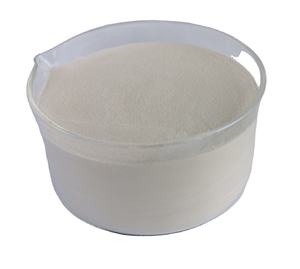
Hidroksipropil metilceluloza (HPMC), čiji je kineski naziv hidroksipropil metilceluloza, je polusintetika, nejonski eter celuloze dobijen hemijskom modifikacijom prirodne celuloze. Ovaj bijeli prah može formirati prozirnu viskoznu otopinu nakon rastvaranja u vodi. Ima odlično zgušnjavanje, zadržavanje vode, stabilnost i svojstva stvaranja filma. To je nezamjenjiv multifunkcionalni aditiv u mnogim poljima kao što je građevinarstvo.
Characteristics and advantages of Hydroxypropyl Methyl Cellulose HPMC Used in Production of Honeycomb Ceramics
Odlična rastvorljivost u vodi: Može se brzo otopiti u hladnoj vodi kako bi se formirala bistra i stabilna otopina.
Efikasno zgušnjavanje i sposobnost zadržavanja vode: Povećajte viskozitet materijala, efikasno smanjuju isparavanje vode, i poboljšati radnu efikasnost.
Dobra stabilnost: Ima dobru stabilnost na kiseline, alkalije, i soli, i pogodan je za širok raspon pH vrijednosti.
Filmotvorni i zaštitni efekti: Nakon sušenja, formira čvrst i proziran film koji štiti podlogu i sprečava prodiranje vode i isparavanje.
Netoksičan i neiritantan: Ima dobru biokompatibilnost i pogodan je za područja medicine i hrane.
Prilagodljivost: Promjenom stepena supstitucije i molekularne težine, njegove performanse se mogu prilagoditi kako bi zadovoljile različite zahtjeve primjene.

Specifications of Hydroxypropyl Methyl Cellulose HPMC Used in Production of Honeycomb Ceramics
Specifikacije hidroksipropil metil celuloze (HPMC) for Honeycomb Ceramic Manufacturing
Key Physical and Chemical Characteristics
Pogledaj: Bijela do bež, slobodno teče prah. No noticeable impurities.
Bit Dimension: Prolazi kroz sito od 100 mesh (≥ 95% retained). Makes certain consistent blending and constant extrusion habits.
Methoxy web sadržaj: 19– 24%. Controls thermal decomposition rate throughout binder exhaustion.
Hidroksipropoksi materijal: 4– 12%. Enhances water retention and environment-friendly strength of ceramic bodies.
Viskoznost (2% rješenje na 20 °C): 4,000– 100,000 mPa · s. Picked based on extrusion needs– reduced thickness for high-speed developing, higher for complicated geometries.
pH (2% tečni rastvor): 5.0– 8.0. Neutral variety prevents unwanted reactions with ceramic basic materials.
Wetness Content: ≤ 5.0% (by loss on drying out at 105 °C). Reduced dampness guarantees secure storage space and predictable efficiency.
Ash Web sadržaj: ≤ 5.0%. Decreases deposit after natural fatigue, maintaining pore framework and wall integrity.
Performance in Porcelain Handling
HPMC acts as a momentary binder in honeycomb ceramic production. It gives plasticity during extrusion and maintains form before shooting. The polymer decays easily in between 200 °C i 400 ° C without leaving carbon down payments. This clean burnout is critical for attaining high porosity and reduced stress drop in final filters or catalyst sustains. Water solubility allows simple consolidation into aqueous ceramic slurries. Good film-forming capacity boosts environment-friendly toughness, lowering damage throughout handling and drying. Batch-to-batch consistency in thickness and alternative levels guarantees reliable extrusion rates and dimensional accuracy of the honeycomb framework.
Suppliers choose HPMC qualities based upon wall density, cell thickness, and production rate. Fine-tuned specs help prevent problems like cracks, savijanje, or blocked channels. Appropriate diffusion in the mix prevents jumble and ensures even distribution throughout the ceramic body.
Applications of Hydroxypropyl Methyl Cellulose HPMC Used in Production of Honeycomb Ceramics
Primjena hidroksipropil metil celuloze (HPMC) in Honeycomb Ceramic Manufacturing
Binding and Forming Support
Hidroksipropil metil celuloza (HPMC) plays a vital function in making honeycomb ceramics. It serves as an organic binder during the developing phase. When combined with ceramic powders like cordierite or alumina, HPMC assists hold particles together. This offers the environment-friendly body enough stamina to keep its shape before firing. Bez HPMC, the framework can break or break conveniently during handling.
Regulated Water Retention
HPMC dobro drži vodu. This property slows down drying and prevents fast wetness loss. Rapid drying out usually causes cracks or bending in ceramic components. Sa HPMC, water leaves the material evenly. That brings about uniform contraction and fewer problems in the final product.
Lubrication During Extrusion
Honeycomb porcelains are generally made by extrusion. HPMC functions as a lubricant in the mix. It minimizes friction in between ceramic fragments and the die wall surface. This makes extrusion smoother and helps create clean, consistent channels. The outcome is a much more accurate honeycomb structure with also wall thickness.
Fatigue Habits
HPMC wears out easily during the shooting procedure. It leaves little to no ash behind. This is important since remaining carbon or residue can obstruct pores or deteriorate the ceramic. A full and tidy fatigue guarantees high porosity and solid mechanical efficiency in the completed component.
Improved Green Stamina
The addition of HPMC increases the green strength of unfired ceramics. Employees can handle, smanjiti, or examine parts without damage. Better eco-friendly strength additionally supports automation in assembly line. This reduces waste and elevates total return.
Profil kompanije
Mi smo globalni lider u lakom betonu i naprednim rješenjima od pjene. Globalno poznat po svojoj posvećenosti istraživanju, inovacija, i primenjenu ekspertizu, nudimo konstruirana rješenja pjene od početka 2012. godine.
Možemo isporučiti visokokvalitetne dodatke za beton i proizvode povezane s pjenastim betonom širom svijeta.
Kompanija ima stručno tehničko odjeljenje i odjel za nadzor kvaliteta, dobro opremljenu laboratoriju, i opremljen naprednom opremom za testiranje i servisnim centrom nakon prodaje.
Ako ste zainteresovani, slobodno nas kontaktirajte.
Plaćanje
T/T, Western Union, Paypal, Kreditna kartica itd.
Isporuka
Zrakom, morem, ekspresno, po zahtevu kupaca.
5 FAQs of Hydroxypropyl Methyl Cellulose HPMC Used in Production of Honeycomb Ceramics
Frequently Asked Questions About HPMC in Honeycomb Ceramic Production
What is HPMC and why is it used in honeycomb ceramics?
HPMC je skraćenica za hidroksipropil metil celulozu. It is a water-soluble polymer added to ceramic mixtures. In honeycomb ceramic production, HPMC djeluje kao vezivo. It helps hold ceramic particles together before firing. This improves green strength and reduces cracking during drying.
How does HPMC affect the extrusion process?
HPMC makes the ceramic paste smoother and more uniform. It increases viscosity just enough to support shaping without blocking the die. The material flows steadily through the extruder, forming clean, consistent honeycomb channels. Bez HPMC, the paste may tear or collapse.
Does HPMC leave any residue after firing?
br. HPMC burns out completely during the firing stage. It decomposes at temperatures between 200°C and 400°C. After full sintering, no carbon or ash remains. The final ceramic structure stays pure and porous, as required for filters or catalyst supports.
What grade of HPMC should be used?
Use a medium-viscosity grade with good thermal stability. Low-viscosity types may not bind well. High-viscosity types can make extrusion hard. The right grade ensures easy processing and strong green bodies. Always match HPMC specifications to your ceramic formulation and firing schedule.
Može li previše HPMC uzrokovati probleme?
Da. Adding too much HPMC slows drying and may trap moisture. This leads to bloating or cracks during firing. Excess HPMC also raises organic content, which can create smoke or uneven burnout. Stick to recommended dosages—usually 1% to 3% by weight of dry solids.
ZATRAŽITE PONUDU
POVEZANI PROIZVODI

Best manufacture quality hydroponically methyl cellulose hpmc
Good Quality Hot Best Hydroxypropyl Methyl Cellulose HPMC 200000 Koristi se kao zgušnjivač za obrađeni premaz
Industrijska hidroksipropil metil celuloza HPMC za zidni kit

Hot Construction HPMC Powder Hydroxy propyl methyl cellulose hpmc 200.000 25kgs

HPMC for tile adhesive