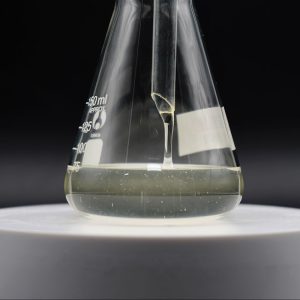
Abubuwan Kariyar Kankare Masu Sauƙi | Mahimman Ayyuka Masu Kumfa don Kankalin Salon salula


KYAUTA KYAUTA
Bayani
Introduction to Hydroxypropyl Methyl Cellulose HPMC Used in Production of Honeycomb Ceramics
Hydroxypropyl Methylcellulose (HPMC), wanda sunan Sinanci hydroxypropyl methylcellulose, Semi-synthetic ne, ether maras ionic cellulose da aka samu ta hanyar sinadarai gyaggyarawa cellulose na halitta. Wannan farin foda zai iya samar da bayani mai haske bayan narkewa a cikin ruwa. Yana da kyau kwarai thickening, rike ruwa, kwanciyar hankali da kayan aikin fim. Yana da wani makawa multifunctional ƙari a yawancin fagage kamar gini.
Characteristics and advantages of Hydroxypropyl Methyl Cellulose HPMC Used in Production of Honeycomb Ceramics
Kyakkyawan narkewar ruwa: Ana iya narkar da shi da sauri a cikin ruwan sanyi don samar da bayani mai tsabta da kwanciyar hankali.
Ingantacciyar kauri da ikon riƙe ruwa: Ƙara danko na kayan, yadda ya kamata rage ruwa evaporation, da inganta ingantaccen aiki.
Kyakkyawan kwanciyar hankali: Yana da kyau kwanciyar hankali ga acid, alkali, da gishiri, kuma ya dace da ƙimar pH mai yawa.
Ƙirƙirar fim da tasirin kariya: Bayan bushewa, yana samar da fim mai tauri da gaskiya don kare substrate kuma ya hana shigar ruwa da fitar da ruwa.
Ba mai guba ba kuma mai ban haushi: Yana da kyau biocompatibility kuma ya dace da filayen magani da abinci.
Daidaitawa: Ta hanyar canza matakin maye gurbin da nauyin kwayoyin halitta, ana iya daidaita aikinsa don saduwa da buƙatun aikace-aikacen daban-daban.

Specifications of Hydroxypropyl Methyl Cellulose HPMC Used in Production of Honeycomb Ceramics
Bayanan Bayani na Hydroxypropyl Methyl Cellulose (HPMC) for Honeycomb Ceramic Manufacturing
Key Physical and Chemical Characteristics
Duba: Fari zuwa m, foda mai gudana kyauta. No noticeable impurities.
Bit Dimension: Yana wucewa ta allo mai raɗaɗi 100 (≥ 95% retained). Makes certain consistent blending and constant extrusion habits.
Methoxy Yanar gizo abun ciki: 19– 24%. Controls thermal decomposition rate throughout binder exhaustion.
Hydroxypropoxy Material: 4– 12%. Enhances water retention and environment-friendly strength of ceramic bodies.
Dankowar jiki (2% mafita a 20 ° C): 4,000– 100,000 mPa · s. Picked based on extrusion needs– reduced thickness for high-speed developing, higher for complicated geometries.
pH (2% ruwa bayani): 5.0– 8.0. Neutral variety prevents unwanted reactions with ceramic basic materials.
Abun Jiki: ≤ 5.0% (by loss on drying out at 105 ° C). Reduced dampness guarantees secure storage space and predictable efficiency.
Abubuwan da ke cikin Ash Web: ≤ 5.0%. Decreases deposit after natural fatigue, maintaining pore framework and wall integrity.
Performance in Porcelain Handling
HPMC acts as a momentary binder in honeycomb ceramic production. It gives plasticity during extrusion and maintains form before shooting. The polymer decays easily in between 200 ° C da 400 ° C without leaving carbon down payments. This clean burnout is critical for attaining high porosity and reduced stress drop in final filters or catalyst sustains. Water solubility allows simple consolidation into aqueous ceramic slurries. Good film-forming capacity boosts environment-friendly toughness, lowering damage throughout handling and drying. Batch-to-batch consistency in thickness and alternative levels guarantees reliable extrusion rates and dimensional accuracy of the honeycomb framework.
Suppliers choose HPMC qualities based upon wall density, cell thickness, and production rate. Fine-tuned specs help prevent problems like cracks, lankwasawa, or blocked channels. Appropriate diffusion in the mix prevents jumble and ensures even distribution throughout the ceramic body.
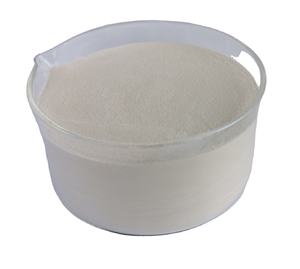
Applications of Hydroxypropyl Methyl Cellulose HPMC Used in Production of Honeycomb Ceramics
Aikace-aikace na Hydroxypropyl Methyl Cellulose (HPMC) in Honeycomb Ceramic Manufacturing
Binding and Forming Support
Hydroxypropyl methyl cellulose (HPMC) plays a vital function in making honeycomb ceramics. It serves as an organic binder during the developing phase. When combined with ceramic powders like cordierite or alumina, HPMC assists hold particles together. This offers the environment-friendly body enough stamina to keep its shape before firing. Ba tare da HPMC ba, the framework can break or break conveniently during handling.
Regulated Water Retention
HPMC tana riƙe da rijiyar ruwa. This property slows down drying and prevents fast wetness loss. Rapid drying out usually causes cracks or bending in ceramic components. Ya da HPMC, water leaves the material evenly. That brings about uniform contraction and fewer problems in the final product.
Lubrication During Extrusion
Honeycomb porcelains are generally made by extrusion. HPMC functions as a lubricant in the mix. It minimizes friction in between ceramic fragments and the die wall surface. This makes extrusion smoother and helps create clean, consistent channels. The outcome is a much more accurate honeycomb structure with also wall thickness.
Fatigue Habits
HPMC wears out easily during the shooting procedure. It leaves little to no ash behind. This is important since remaining carbon or residue can obstruct pores or deteriorate the ceramic. A full and tidy fatigue guarantees high porosity and solid mechanical efficiency in the completed component.
Improved Green Stamina
The addition of HPMC increases the green strength of unfired ceramics. Employees can handle, rage, or examine parts without damage. Better eco-friendly strength additionally supports automation in assembly line. This reduces waste and elevates total return.
Bayanin Kamfanin
Mu ne jagora na duniya a cikin siminti mai sauƙi da ingantattun hanyoyin magance kumfa. An san shi a duniya don jajircewarsa ga bincike, bidi'a, da kuma amfani da gwaninta, muna samar da ingantattun hanyoyin magance kumfa tun farkon 2012.
Za mu iya samar da ingantattun kayan kwalliyar kankare da samfuran da ke da alaƙa da kumfa a duk faɗin duniya.
Kamfanin yana da sashen fasaha na ƙwararru da sashin kulawa mai inganci, dakin gwaje-gwaje masu inganci, kuma sanye take da kayan gwaji na ci gaba da cibiyar sabis na abokin ciniki bayan-tallace-tallace.
Idan kuna sha'awar, don Allah a ji 'yanci kuma tuntube mu.
Biya
T/T, Western Union, Paypal, Katin Kiredit da dai sauransu.
Jirgin ruwa
Ta iska, ta teku, ta hanyar bayyanawa, kamar yadda abokan ciniki suka nema.
5 FAQs of Hydroxypropyl Methyl Cellulose HPMC Used in Production of Honeycomb Ceramics
Frequently Asked Questions About HPMC in Honeycomb Ceramic Production
What is HPMC and why is it used in honeycomb ceramics?
HPMC tana nufin Hydroxypropyl Methyl Cellulose. It is a water-soluble polymer added to ceramic mixtures. In honeycomb ceramic production, HPMC yana aiki azaman mai ɗaure. It helps hold ceramic particles together before firing. This improves green strength and reduces cracking during drying.
How does HPMC affect the extrusion process?
HPMC makes the ceramic paste smoother and more uniform. It increases viscosity just enough to support shaping without blocking the die. The material flows steadily through the extruder, forming clean, consistent honeycomb channels. Ba tare da HPMC ba, the paste may tear or collapse.
Does HPMC leave any residue after firing?
A'a. HPMC burns out completely during the firing stage. It decomposes at temperatures between 200°C and 400°C. After full sintering, no carbon or ash remains. The final ceramic structure stays pure and porous, as required for filters or catalyst supports.
What grade of HPMC should be used?
Use a medium-viscosity grade with good thermal stability. Low-viscosity types may not bind well. High-viscosity types can make extrusion hard. The right grade ensures easy processing and strong green bodies. Always match HPMC specifications to your ceramic formulation and firing schedule.
Yawancin HPMC na iya haifar da matsala?
Ee. Adding too much HPMC slows drying and may trap moisture. This leads to bloating or cracks during firing. Excess HPMC also raises organic content, which can create smoke or uneven burnout. Stick to recommended dosages—usually 1% ku 3% by weight of dry solids.
NEMI TSOKACI
KAYAN DA AKA SAMU
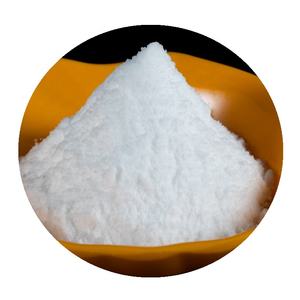
Babban Hannun Hannun Carbopol Sauya Hydroxypropyl Methyl Cellulose HPMC Methyl Hydroxypropyl Cellulose

Thickening Stabilizer Farin Foda Hydroxypropyl Methyl Cellulose HPMC

Mafi kyawun Stable Quality Hpmc,Hec,Mech,Cmc,Rdp A Gine-ginen Tile Simintin Manne Hpmc

Direct shipped from factory good high viscosity high water retention hydroxypropyl methyl cellulose hpmc for Asian

Hydroxypropyl Methyl Cellulose HPMC