


Ngaahi me'a tanaki sima ma'ama'a | Ngaahi fakafofonga Foaming ma'olunga-ngaue ki he sima 'o e selo


NGAAHI PALAMETA 'O E KOLOA
Fakamatala
Introduction to Hydroxypropyl Methyl Cellulose HPMC Used in Production of Honeycomb Ceramics
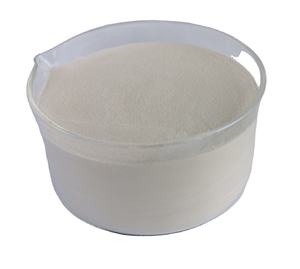
Haitolokisipolopili Metiliselulosi (HPMC), ko hono hingoa faka-Siaina ko haitolokisipolopili metiliselulosi ., ko ha semi-fakatupu, 'ikai-ionic selulosi ether 'oku ma'u 'aki hono fakalelei'i fakakemikale 'a e selulosi fakanatula .. 'E lava ke fa'u 'e he efuefu hinehina ko 'eni ha viscous 'ata'ata hili hono fakamovetevete 'i he vai .. 'Oku 'i ai 'ene matolu lelei 'aupito ., pukepuke 'o e vai, tu'unga ma'u mo e ngaahi koloa 'o e filimi-fa'u .. Ko ha me'a fakalahi multifunctional 'oku 'ikai lava ke to'o 'i he ngaahi mala'e lahi hange ko e langa ..
Characteristics and advantages of Hydroxypropyl Methyl Cellulose HPMC Used in Production of Honeycomb Ceramics
Solubility lelei 'aupito 'i he vai .: 'E lava ke vave hono fakamovetevete 'i he vai momoko ke fa'u ha fakalelei'anga mahino mo tu'uma'u ..
Thickening lelei mo e malava ke pukepuke 'a e vai .: Fakalahi 'a e viscosity 'o e naunau ., fakasi'isi'i lelei 'a e evaporation 'o e vai, pea fakalelei'i 'a e ola lelei 'o e ngaue ..
Tu'uma'u lelei .: 'Oku 'i ai 'ene tu'unga ma'u lelei ki he ngaahi 'esiti ., ʻākali, mo e ngaahi māsima ., pea 'oku fe'unga mo ha ngaahi mahu'inga kehekehe 'o e pH ..
Filimi-fa'u mo e ngaahi ola malu'i .: Hili hono fakamāfanaʻí ., 'oku ne fa'u ha filimi fefeka mo mahino ke malu'i 'a e substrate mo ta'ofi 'a e hū 'a e vai mo e evaporation ..
'Ikai kona mo 'ikai fakatupu 'ita .: 'Oku 'i ai 'ene biocompatibility lelei pea 'oku fe'unga mo e ngaahi mala'e 'o e faito'o mo e me'akai ..
Fakatonutonu: 'I hono liliu 'o e tu'unga 'o e fetongi mo e mamafa 'o e molekula ., 'e lava ke fakatonutonu 'ene fakahoko ke feau 'a e ngaahi fie ma'u kehekehe 'o e tohi kole ..

Specifications of Hydroxypropyl Methyl Cellulose HPMC Used in Production of Honeycomb Ceramics
Specifications of Hydroxypropyl Methyl Cellulose (HPMC) for Honeycomb Ceramic Manufacturing
Key Physical and Chemical Characteristics
Sio: Hinehina ki he lanu engeenga, efuefu tafe tauʻatāina. No noticeable impurities.
Fakafuofua'i 'o e Bit: 'Oku paasi 'i ha screen 100-mesh . (≥ 95% retained). Makes certain consistent blending and constant extrusion habits.
Methoxy 'a e kakano 'o e Uepi: 19– 24%. Controls thermal decomposition rate throughout binder exhaustion.
Naunau 'o e haitolokisipolopokisi: 4– 12%. Enhances water retention and environment-friendly strength of ceramic bodies.
Visikositi (2% solova'anga 'i he . 20 ° C): 4,000– 100,000 mPa · s. Picked based on extrusion needs– reduced thickness for high-speed developing, higher for complicated geometries.
pH (2% fakaleleiʻi vai): 5.0– 8.0. Neutral variety prevents unwanted reactions with ceramic basic materials.
Kanokato 'o e Wetness: ≤ 5.0% (by loss on drying out at 105 ° C). Reduced dampness guarantees secure storage space and predictable efficiency.
Ko e kakano 'o e Uepi 'o e efu: ≤ 5.0%. Decreases deposit after natural fatigue, maintaining pore framework and wall integrity.
Performance in Porcelain Handling
HPMC acts as a momentary binder in honeycomb ceramic production. It gives plasticity during extrusion and maintains form before shooting. The polymer decays easily in between 200 ° C mo e . 400 ° C without leaving carbon down payments. This clean burnout is critical for attaining high porosity and reduced stress drop in final filters or catalyst sustains. Water solubility allows simple consolidation into aqueous ceramic slurries. Good film-forming capacity boosts environment-friendly toughness, lowering damage throughout handling and drying. Batch-to-batch consistency in thickness and alternative levels guarantees reliable extrusion rates and dimensional accuracy of the honeycomb framework.
Suppliers choose HPMC qualities based upon wall density, cell thickness, and production rate. Fine-tuned specs help prevent problems like cracks, piko, or blocked channels. Appropriate diffusion in the mix prevents jumble and ensures even distribution throughout the ceramic body.
Applications of Hydroxypropyl Methyl Cellulose HPMC Used in Production of Honeycomb Ceramics
Ngaahi polokalama 'o e Hydroxypropyl Methyl Selulosi . (HPMC) in Honeycomb Ceramic Manufacturing
Binding and Forming Support
Haitolokisipolopili metili selulosi (HPMC) plays a vital function in making honeycomb ceramics. It serves as an organic binder during the developing phase. When combined with ceramic powders like cordierite or alumina, HPMC assists hold particles together. This offers the environment-friendly body enough stamina to keep its shape before firing. Ta'e 'i ai ha HPMC ., the framework can break or break conveniently during handling.
Regulated Water Retention
HPMC holds water well. This property slows down drying and prevents fast wetness loss. Rapid drying out usually causes cracks or bending in ceramic components. Mo e HPMC ., water leaves the material evenly. That brings about uniform contraction and fewer problems in the final product.
Lubrication During Extrusion
Honeycomb porcelains are generally made by extrusion. HPMC functions as a lubricant in the mix. It minimizes friction in between ceramic fragments and the die wall surface. This makes extrusion smoother and helps create clean, consistent channels. The outcome is a much more accurate honeycomb structure with also wall thickness.
Fatigue Habits
HPMC wears out easily during the shooting procedure. It leaves little to no ash behind. This is important since remaining carbon or residue can obstruct pores or deteriorate the ceramic. A full and tidy fatigue guarantees high porosity and solid mechanical efficiency in the completed component.
Improved Green Stamina
The addition of HPMC increases the green strength of unfired ceramics. Employees can handle, fakasi'isi'i, or examine parts without damage. Better eco-friendly strength additionally supports automation in assembly line. This reduces waste and elevates total return.
Fakamatala ʻo e Kautaha
Ko kimautolu 'a e taki fakamamani lahi 'i he sima ma'ama'a mo e ngaahi fakalelei'anga foam 'enisinia fakalakalaka .. 'Iloa 'i mamani 'i he'ene tukupa ki he fakatotolo ., fakakaukau fo'ou, mo e taukei faka'aonga'i ., kuo mau 'oatu 'a e ngaahi fakalelei'anga foam 'enisinia talu mei he kamata'anga 'o e 2012’s ..
'E lava ke tau 'oatu 'a e admixture sima tu'unga ma'olunga mo e ngaahi koloa fekau'aki mo e foam sima 'i he mamani kotoa ..
'Oku 'i ai ha potungaue fakatekinikale fakapalofesinale 'a e kautaha mo e potungaue tokanga'i 'o e tu'unga lelei ., ko ha fale fakatotolo fakakemi kuo fakanaunau‘i lelei ., pea fakanaunau'i 'aki 'a e ngaahi me'angaue sivi fakalakalaka mo e senitaa tokoni ki he kasitomaa hili hono fakatau atu ..
Kapau 'oku ke fie'ilo ., kataki 'o ongo'i tau'ataina pea fetu'utaki mai.
Totongi
T/T, ʻIunioni Hihifo, Paypal, Kaati fakamo'ua etc ..
Uta
ʻI he ʻeá, ʻi tahi, 'aki 'a e fakahaa'i, hange ko e kole 'a e kau kasitomaa.
5 FAQs of Hydroxypropyl Methyl Cellulose HPMC Used in Production of Honeycomb Ceramics
Frequently Asked Questions About HPMC in Honeycomb Ceramic Production
What is HPMC and why is it used in honeycomb ceramics?
HPMC 'oku tu'u ia ki he Haitolokisipolopili Metili Selulosi .. It is a water-soluble polymer added to ceramic mixtures. In honeycomb ceramic production, 'Oku ngaue 'a e HPMC ko ha me'a fakataha'i .. It helps hold ceramic particles together before firing. This improves green strength and reduces cracking during drying.
How does HPMC affect the extrusion process?
HPMC makes the ceramic paste smoother and more uniform. It increases viscosity just enough to support shaping without blocking the die. The material flows steadily through the extruder, forming clean, consistent honeycomb channels. Ta'e 'i ai ha HPMC ., the paste may tear or collapse.
Does HPMC leave any residue after firing?
ʻIkai. HPMC burns out completely during the firing stage. It decomposes at temperatures between 200°C and 400°C. After full sintering, no carbon or ash remains. The final ceramic structure stays pure and porous, as required for filters or catalyst supports.
What grade of HPMC should be used?
Use a medium-viscosity grade with good thermal stability. Low-viscosity types may not bind well. High-viscosity types can make extrusion hard. The right grade ensures easy processing and strong green bodies. Always match HPMC specifications to your ceramic formulation and firing schedule.
'E lava ke fu'u lahi 'a e HPMC 'o fakatupu 'a e ngaahi palopalema .?
ʻIo. Adding too much HPMC slows drying and may trap moisture. This leads to bloating or cracks during firing. Excess HPMC also raises organic content, which can create smoke or uneven burnout. Stick to recommended dosages—usually 1% ki 3% by weight of dry solids.
KOLE HA QUOTE
NGAAHI KOLOA 'OKU FETU'UTAKI

s fakahinohino ing hydroponically methyl selulosi hpmc .
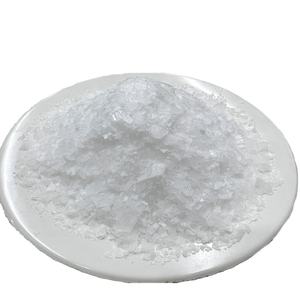
Hydroxypropyl Methyl selulosi HPMC kemikale tokoni fakafofonga ki hono faka'aonga'i 'o e ngaahi ngaue'anga
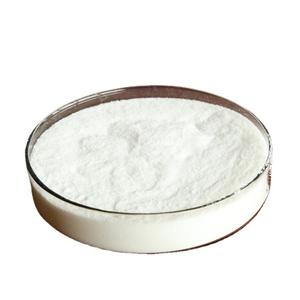
Hydroxypropyl methyl selulosi HPMC ki he langa 1Kg mo e K100M efuefu tile fakapipiki

HPMC ZC200000cps hpmc for India market with best for tile bond materials

Haitolokisipolopili metili selulosi HPMC kalasi fakangaue'anga
