


Liicht Beton Additiven | High-Performance Schaummëttel fir Cellular Beton


PRODUIT PARAMETER
Beschreiwung
Introduction to Hydroxypropyl Methyl Cellulose HPMC Used in Production of Honeycomb Ceramics
Hydroxypropyl Methylcellulose (HPMC), deem säi chinesesche Numm Hydroxypropyl Methylcellulose ass, ass en semi-syntheteschen, net-ionesch Celluloseether kritt duerch chemesch Modifikatioun vun natierleche Cellulose. Dëse wäisse Pudder kann eng transparent viskos Léisung bilden nodeems se am Waasser opgeléist ginn. Et huet eng exzellent Verdickung, Waasser Retention, Stabilitéit a Filmbildungseigenschaften. Et ass en onverzichtbare multifunktionelle Additiv a ville Beräicher wéi Bau.
Characteristics and advantages of Hydroxypropyl Methyl Cellulose HPMC Used in Production of Honeycomb Ceramics
Exzellent Waasserléislechkeet: Et kann séier a kale Waasser opgeléist ginn fir eng kloer a stabil Léisung ze bilden.
Effizient Verdickung a Waasserretenzfäegkeet: Erhéije d'Viskositéit vum Material, d'Waasserverdampfung effektiv reduzéieren, a verbesseren Aarbecht Effizienz.
Gutt Stabilitéit: Et huet gutt Stabilitéit zu Säuren, Alkalien, a Salzer, an ass gëeegent fir eng breet Palette vun pH Wäerter.
Filmbildend a Schutzeffekter: No der Trocknung, et bildt en haarden an transparenten Film fir de Substrat ze schützen an d'Waasserpenetratioun an d'Verdampung ze vermeiden.
Net gëfteg an net irritéierend: Et huet gutt Biokompatibilitéit an ass gëeegent fir d'Beräicher vun der Medizin a Liewensmëttel.
Upassbarkeet: Andeems Dir de Grad vun der Substitutioun a Molekulargewiicht änneren, seng Leeschtung kann ugepasst ginn verschidden Applikatioun Ufuerderunge ze treffen.

Specifications of Hydroxypropyl Methyl Cellulose HPMC Used in Production of Honeycomb Ceramics
Spezifikatioune vun Hydroxypropyl Methyl Cellulose (HPMC) for Honeycomb Ceramic Manufacturing
Key Physical and Chemical Characteristics
Kuckt: Wäiss bis beige, fräi fléissendem Pudder. No noticeable impurities.
Bit Dimensioun: Gitt duerch en 100-Mesh Écran (≥ 95% retained). Makes certain consistent blending and constant extrusion habits.
Methoxy Web Inhalt: 19– 24%. Controls thermal decomposition rate throughout binder exhaustion.
Hydroxypropoxy Material: 4– 12%. Enhances water retention and environment-friendly strength of ceramic bodies.
Viskositéit (2% Léisung op 20 °C): 4,000– 100,000 mPa · s. Picked based on extrusion needs– reduced thickness for high-speed developing, higher for complicated geometries.
pH (2% flësseg Léisung): 5.0– 8.0. Neutral variety prevents unwanted reactions with ceramic basic materials.
Naass Inhalt: ≤ 5.0% (by loss on drying out at 105 °C). Reduced dampness guarantees secure storage space and predictable efficiency.
Ash Web Inhalt: ≤ 5.0%. Decreases deposit after natural fatigue, maintaining pore framework and wall integrity.
Performance in Porcelain Handling
HPMC acts as a momentary binder in honeycomb ceramic production. It gives plasticity during extrusion and maintains form before shooting. The polymer decays easily in between 200 °C an 400 ° C without leaving carbon down payments. This clean burnout is critical for attaining high porosity and reduced stress drop in final filters or catalyst sustains. Water solubility allows simple consolidation into aqueous ceramic slurries. Good film-forming capacity boosts environment-friendly toughness, lowering damage throughout handling and drying. Batch-to-batch consistency in thickness and alternative levels guarantees reliable extrusion rates and dimensional accuracy of the honeycomb framework.
Suppliers choose HPMC qualities based upon wall density, cell thickness, and production rate. Fine-tuned specs help prevent problems like cracks, béien, or blocked channels. Appropriate diffusion in the mix prevents jumble and ensures even distribution throughout the ceramic body.
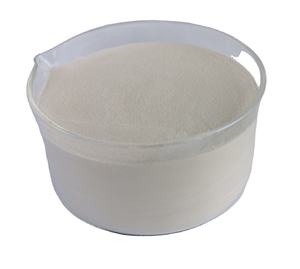
Applications of Hydroxypropyl Methyl Cellulose HPMC Used in Production of Honeycomb Ceramics
Uwendungen vun Hydroxypropyl Methyl Cellulose (HPMC) in Honeycomb Ceramic Manufacturing
Binding and Forming Support
Hydroxypropyl Methylcellulose (HPMC) plays a vital function in making honeycomb ceramics. It serves as an organic binder during the developing phase. When combined with ceramic powders like cordierite or alumina, HPMC assists hold particles together. This offers the environment-friendly body enough stamina to keep its shape before firing. Ouni HPMC, the framework can break or break conveniently during handling.
Regulated Water Retention
HPMC hält Waasser gutt. This property slows down drying and prevents fast wetness loss. Rapid drying out usually causes cracks or bending in ceramic components. Mat HPMC, water leaves the material evenly. That brings about uniform contraction and fewer problems in the final product.
Lubrication During Extrusion
Honeycomb porcelains are generally made by extrusion. HPMC functions as a lubricant in the mix. It minimizes friction in between ceramic fragments and the die wall surface. This makes extrusion smoother and helps create clean, consistent channels. The outcome is a much more accurate honeycomb structure with also wall thickness.
Fatigue Habits
HPMC wears out easily during the shooting procedure. It leaves little to no ash behind. This is important since remaining carbon or residue can obstruct pores or deteriorate the ceramic. A full and tidy fatigue guarantees high porosity and solid mechanical efficiency in the completed component.
Improved Green Stamina
The addition of HPMC increases the green strength of unfired ceramics. Employees can handle, reduzéieren, or examine parts without damage. Better eco-friendly strength additionally supports automation in assembly line. This reduces waste and elevates total return.
Firma Profil
Mir sinn de weltwäite Leader a liicht Beton a fortgeschratt manipuléierte Schaumléisungen. Bekannt weltwäit fir säin Engagement fir Fuerschung, Innovatioun, an applizéiert Expertise, mir hunn manipuléiert Schaumléisungen zënter de fréien 2012er geliwwert.
Mir kënne qualitativ héichwäerteg Betonadmixer a Schaumbetonbezunn Produkter op der ganzer Welt liwweren.
D'Firma huet eng professionell technesch Departement a Qualitéit Iwwerwaachung Departement, engem gutt equipéiert Labo, an equipéiert mat fortgeschratt Testen Equipement an no-Ofsaz Client Service Zentrum.
Wann Dir interesséiert sidd, fillt Iech gratis a kontaktéiert eis.
Bezuelen
T/T, Western Union, Paypal, Kreditkaart etc.
Sendung
Mat der Loft, vum Mier, duerch express, wéi Clienten Ufro.
5 FAQs of Hydroxypropyl Methyl Cellulose HPMC Used in Production of Honeycomb Ceramics
Frequently Asked Questions About HPMC in Honeycomb Ceramic Production
What is HPMC and why is it used in honeycomb ceramics?
HPMC steet fir Hydroxypropyl Methyl Cellulose. It is a water-soluble polymer added to ceramic mixtures. In honeycomb ceramic production, HPMC handelt als Bindemittel. It helps hold ceramic particles together before firing. This improves green strength and reduces cracking during drying.
How does HPMC affect the extrusion process?
HPMC makes the ceramic paste smoother and more uniform. It increases viscosity just enough to support shaping without blocking the die. The material flows steadily through the extruder, forming clean, consistent honeycomb channels. Ouni HPMC, the paste may tear or collapse.
Does HPMC leave any residue after firing?
Nee. HPMC burns out completely during the firing stage. It decomposes at temperatures between 200°C and 400°C. After full sintering, no carbon or ash remains. The final ceramic structure stays pure and porous, as required for filters or catalyst supports.
What grade of HPMC should be used?
Use a medium-viscosity grade with good thermal stability. Low-viscosity types may not bind well. High-viscosity types can make extrusion hard. The right grade ensures easy processing and strong green bodies. Always match HPMC specifications to your ceramic formulation and firing schedule.
Kann ze vill HPMC Problemer verursaachen?
Jo. Adding too much HPMC slows drying and may trap moisture. This leads to bloating or cracks during firing. Excess HPMC also raises organic content, which can create smoke or uneven burnout. Stick to recommended dosages—usually 1% zu 3% by weight of dry solids.
Ufro engem ZITAT
Zesummenhang PRODUITEN

Hydroxypropyl Methylcellulose HPMC gëtt zu Gelenkzement fir Gipsplacke bäigefüügt fir d'Flëssegkeet a Waasserretention ze verbesseren.
ganz Medizin Grad HPMC Hydroxypropyl Methylcellulose k4m-kontrolléiert Verëffentlechung vun Drogen

2024 Innovativ Produkter Hydroxypropyl Methyl Cellulose HPMC

HPMC Detergent Pudder HPMC Hydroxypropyl Methylcellulose

Konstruktiounsgrad Industriegrad Hydroxypropyl Methyl Cellulose HPMC fir Konstruktiounen déi Betonmörtel bedecken
