


Izithasiselo zikakhonkolo ezingasindi | Ama-ejenti Akhipha Amagwebu Asebenza Kakhulu Wokhonkolo Weselula


IMIPHAKATHI YOMKHIQIZO
Incazelo
Introduction to Hydroxypropyl Methyl Cellulose HPMC Used in Production of Honeycomb Ceramics
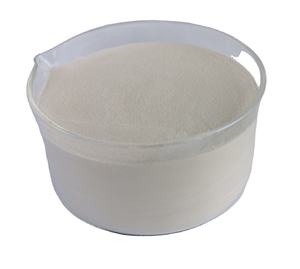
IHydroxypropyl Methylcellulose (I-HPMC), ogama lakhe lesiShayina lingu-hydroxypropyl methylcellulose, i-semi-synthetic, i-non-ionic cellulose ether etholwe ngokushintsha amakhemikhali i-cellulose yemvelo. Le mpushana emhlophe ingakha isisombululo se-viscous esisobala ngemva kokuncibilika emanzini. Inokuqina okuhle kakhulu, ukugcinwa kwamanzi, ukuzinza kanye nezakhiwo zefilimu. Kuyisithasiselo esibalulekile semisebenzi eminingi emikhakheni eminingi njengokwakha.
Characteristics and advantages of Hydroxypropyl Methyl Cellulose HPMC Used in Production of Honeycomb Ceramics
I-solubility enhle kakhulu yamanzi: Ingancibilika ngokushesha emanzini abandayo ukwenza isisombululo esicacile nesizinzile.
Ukuqina okusebenzayo kanye nekhono lokugcina amanzi: Khulisa i-viscosity yezinto, ngokuphumelelayo ukunciphisa ukuhwamuka kwamanzi, kanye nokwenza ngcono ukusebenza kahle.
Ukuzinza okuhle: Inokuqina okuhle kuma-asidi, ama-alkali, kanye nosawoti, futhi ifanele uhla olubanzi lwamanani e-pH.
Ukwakhiwa kwefilimu kanye nemiphumela yokuzivikela: Ngemva kokumisa, yakha ifilimu eqinile futhi esobala ukuvikela i-substrate futhi ivimbele ukungena kwamanzi kanye nokuhwamuka.
Ayinabuthi futhi ayicunuli: Ine-biocompatibility enhle futhi ifanele izinkundla zemithi nokudla.
Ukuguquguquka: Ngokushintsha izinga lokushintshwa kanye nesisindo samangqamuzana, ukusebenza kwayo kungalungiswa ukuze kuhlangatshezwane nezidingo ezahlukene zohlelo lokusebenza.

Specifications of Hydroxypropyl Methyl Cellulose HPMC Used in Production of Honeycomb Ceramics
Imininingwane ye-Hydroxypropyl Methyl Cellulose (I-HPMC) for Honeycomb Ceramic Manufacturing
Key Physical and Chemical Characteristics
Bheka: Okumhlophe kuya ku-beige, impushana egeleza mahhala. No noticeable impurities.
I-Bit Dimension: Passes through a 100-mesh screen (≥ 95% retained). Makes certain consistent blending and constant extrusion habits.
Okuqukethwe kweWebhu ye-Methoxy: 19– 24%. Controls thermal decomposition rate throughout binder exhaustion.
I-Hydroxypropoxy Material: 4– 12%. Enhances water retention and environment-friendly strength of ceramic bodies.
I-Viscosity (2% isixazululo at 20 °C): 4,000– 100,000 mPa · s. Picked based on extrusion needs– reduced thickness for high-speed developing, higher for complicated geometries.
pH (2% isixazululo samanzi): 5.0– 8.0. Neutral variety prevents unwanted reactions with ceramic basic materials.
Okuqukethwe Okumanzi: ≤ 5.0% (by loss on drying out at 105 °C). Reduced dampness guarantees secure storage space and predictable efficiency.
Okuqukethwe kwe-Ash Web: ≤ 5.0%. Decreases deposit after natural fatigue, maintaining pore framework and wall integrity.
Performance in Porcelain Handling
HPMC acts as a momentary binder in honeycomb ceramic production. It gives plasticity during extrusion and maintains form before shooting. The polymer decays easily in between 200 ° C futhi 400 ° C without leaving carbon down payments. This clean burnout is critical for attaining high porosity and reduced stress drop in final filters or catalyst sustains. Water solubility allows simple consolidation into aqueous ceramic slurries. Good film-forming capacity boosts environment-friendly toughness, lowering damage throughout handling and drying. Batch-to-batch consistency in thickness and alternative levels guarantees reliable extrusion rates and dimensional accuracy of the honeycomb framework.
Suppliers choose HPMC qualities based upon wall density, cell thickness, and production rate. Fine-tuned specs help prevent problems like cracks, ukugoba, or blocked channels. Appropriate diffusion in the mix prevents jumble and ensures even distribution throughout the ceramic body.
Applications of Hydroxypropyl Methyl Cellulose HPMC Used in Production of Honeycomb Ceramics
Izicelo zeHydroxypropyl Methyl Cellulose (I-HPMC) in Honeycomb Ceramic Manufacturing
Binding and Forming Support
I-Hydroxypropyl methyl cellulose (I-HPMC) plays a vital function in making honeycomb ceramics. It serves as an organic binder during the developing phase. When combined with ceramic powders like cordierite or alumina, HPMC assists hold particles together. This offers the environment-friendly body enough stamina to keep its shape before firing. Ngaphandle kwe-HPMC, the framework can break or break conveniently during handling.
Regulated Water Retention
I-HPMC ibamba amanzi kahle. This property slows down drying and prevents fast wetness loss. Rapid drying out usually causes cracks or bending in ceramic components. Nge-HPMC, water leaves the material evenly. That brings about uniform contraction and fewer problems in the final product.
Lubrication During Extrusion
Honeycomb porcelains are generally made by extrusion. HPMC functions as a lubricant in the mix. It minimizes friction in between ceramic fragments and the die wall surface. This makes extrusion smoother and helps create clean, consistent channels. The outcome is a much more accurate honeycomb structure with also wall thickness.
Fatigue Habits
HPMC wears out easily during the shooting procedure. It leaves little to no ash behind. This is important since remaining carbon or residue can obstruct pores or deteriorate the ceramic. A full and tidy fatigue guarantees high porosity and solid mechanical efficiency in the completed component.
Improved Green Stamina
The addition of HPMC increases the green strength of unfired ceramics. Employees can handle, nciphisa, or examine parts without damage. Better eco-friendly strength additionally supports automation in assembly line. This reduces waste and elevates total return.
Iphrofayela Yenkampani
Singumholi womhlaba kukhonkolo ongasindi kanye nezixazululo zegwebu ezinobunjiniyela ezithuthukile. Yaziwa emhlabeni jikelele ngokuzibophezela kwayo ocwaningweni, emisha, nokusebenzisa ubuchwepheshe, besihlinzeka ngezixazululo zegwebu ezinobunjiniyela kusukela ekuqaleni kuka-2012.
Singahlinzeka ngengxube kakhonkolo yekhwalithi ephezulu kanye nemikhiqizo ehlobene nokhonkolo wegwebu emhlabeni wonke.
Le nkampani inomnyango wezobuchwepheshe oqeqeshiwe kanye nomnyango wokuqondisa izinga, ilabhorethri efakwe kahle, futhi ifakwe imishini yokuhlola ethuthukisiwe kanye nesikhungo senkonzo yamakhasimende ngemva kokuthengisa.
Uma unentshisekelo, sicela ukhululeke futhi uxhumane nathi.
Inkokhelo
T/T, i-Western Union, I-Paypal, Ikhadi lesikweletu njll.
Ukuthunyelwa
Ngomoya, ngasolwandle, nge-express, njengoba amakhasimende ecela.
5 FAQs of Hydroxypropyl Methyl Cellulose HPMC Used in Production of Honeycomb Ceramics
Frequently Asked Questions About HPMC in Honeycomb Ceramic Production
What is HPMC and why is it used in honeycomb ceramics?
I-HPMC imele i-Hydroxypropyl Methyl Cellulose. It is a water-soluble polymer added to ceramic mixtures. In honeycomb ceramic production, HPMC acts as a binder. It helps hold ceramic particles together before firing. This improves green strength and reduces cracking during drying.
How does HPMC affect the extrusion process?
HPMC makes the ceramic paste smoother and more uniform. It increases viscosity just enough to support shaping without blocking the die. The material flows steadily through the extruder, forming clean, consistent honeycomb channels. Ngaphandle kwe-HPMC, the paste may tear or collapse.
Does HPMC leave any residue after firing?
Cha. HPMC burns out completely during the firing stage. It decomposes at temperatures between 200°C and 400°C. After full sintering, no carbon or ash remains. The final ceramic structure stays pure and porous, as required for filters or catalyst supports.
What grade of HPMC should be used?
Use a medium-viscosity grade with good thermal stability. Low-viscosity types may not bind well. High-viscosity types can make extrusion hard. The right grade ensures easy processing and strong green bodies. Always match HPMC specifications to your ceramic formulation and firing schedule.
Ingabe i-HPMC eningi kakhulu ingabangela izinkinga?
Yebo. Adding too much HPMC slows drying and may trap moisture. This leads to bloating or cracks during firing. Excess HPMC also raises organic content, which can create smoke or uneven burnout. Stick to recommended dosages—usually 1% ku 3% ngesisindo sokuqinile okomile.
CELA I-QUOTE
IMIKHIQIZO EHLOBANE

High Performance Cellulose Ether Building Material Hydroxypropyl Methyl Cellulose HPMC for Wall Putty Tile Adhesive

PerformanceCell Hydroxypropyl Methyl Cellulose HPMC for Industrial Grade Sealants
IHydroxypropyl Methylcellulose HPMC Amakhemikhali ebanga lokwakha izinto zokusetshenziswa I-Tile Adhesive Paint Good

I-HPMC Additive Cost-Factory for Cement Render kanye ne-Plaster Mortar
I-Concrete Admixture kanye ne-Mortar Admixture, Ngokwezifiso, I-HPMC, I-White Thickening powder, Kufakwe ku-Cement Mortar
