Fanampiny betonika maivana | Mpampiasa Foaming Mahafinaritra ho an'ny Beton Cellular


PARAMETER VOKATRA
Description
Introduction to Hydroxypropyl Methyl Cellulose HPMC Used in Production of Honeycomb Ceramics
Hydroxypropyl Methylcellulose (HPMC), ny anarana sinoa dia hydroxypropyl methylcellulose, dia semi-synthetic, etera cellulose tsy ionika azo avy amin'ny cellulose voajanahary voajanahary. Ity vovoka fotsy ity dia afaka mamorona vahaolana viscous mangarahara rehefa levona ao anaty rano. Manana thickening tena tsara izy io, fihazonana rano, fahamarinan-toerana sy ny fananana sarimihetsika. Izy io dia additive multifunctional tena ilaina amin'ny sehatra maro toy ny fanorenana.
Characteristics and advantages of Hydroxypropyl Methyl Cellulose HPMC Used in Production of Honeycomb Ceramics
Solubility tsara amin'ny rano: Afaka levona haingana amin'ny rano mangatsiaka izy io mba hamoronana vahaolana mazava sy maharitra.
Fahaizana mitahiry rano sy manatevina mahomby: Ampitomboy ny viscosity ny fitaovana, mahomby mampihena ny etona rano, ary manatsara ny fahombiazan'ny asa.
Filaminana tsara: Manana fahamarinan-toerana tsara amin'ny asidra izy io, alkali, ary sira, ary mety amin'ny sanda pH isan-karazany.
Fihetseham-po mamorona sy miaro: Aorian'ny fanamainana, dia mamorona sarimihetsika henjana sy mangarahara mba hiarovana ny substrate ary hisorohana ny fidiran'ny rano sy ny etona.
Tsy misy poizina ary tsy mahasosotra: Manana biocompatibility tsara izy ary mety amin'ny sehatry ny fitsaboana sy ny sakafo.
Adjustability: Amin'ny fanovana ny haavon'ny fanoloana sy ny lanjan'ny molekiola, azo amboarina mifanaraka amin'ny fepetra takian'ny fampiharana samihafa ny fahombiazany.

Specifications of Hydroxypropyl Methyl Cellulose HPMC Used in Production of Honeycomb Ceramics
Famaritana ny Hydroxypropyl Methyl Cellulose (HPMC) for Honeycomb Ceramic Manufacturing
Key Physical and Chemical Characteristics
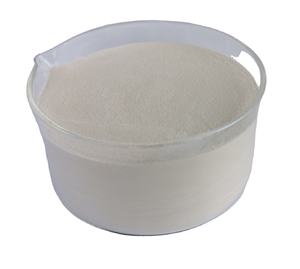
Jereo: Fotsy ho beige, vovoka mikoriana maimaim-poana. No noticeable impurities.
Bit Dimension: Mandalo efijery 100-mesh (≥ 95% retained). Makes certain consistent blending and constant extrusion habits.
Methoxy Web votoaty: 19– 24%. Controls thermal decomposition rate throughout binder exhaustion.
Fitaovana hydroxypropoxy: 4– 12%. Enhances water retention and environment-friendly strength of ceramic bodies.
Viscosity (2% vahaolana at 20 ° C): 4,000– 100,000 mPa · s. Picked based on extrusion needs– reduced thickness for high-speed developing, higher for complicated geometries.
pH (2% vahaolana ranoka): 5.0– 8.0. Neutral variety prevents unwanted reactions with ceramic basic materials.
Wetness Content: ≤ 5.0% (by loss on drying out at 105 ° C). Reduced dampness guarantees secure storage space and predictable efficiency.
Votoatin'ny Ash Web: ≤ 5.0%. Decreases deposit after natural fatigue, maintaining pore framework and wall integrity.
Performance in Porcelain Handling
HPMC acts as a momentary binder in honeycomb ceramic production. It gives plasticity during extrusion and maintains form before shooting. The polymer decays easily in between 200 °C ary 400 ° C without leaving carbon down payments. This clean burnout is critical for attaining high porosity and reduced stress drop in final filters or catalyst sustains. Water solubility allows simple consolidation into aqueous ceramic slurries. Good film-forming capacity boosts environment-friendly toughness, lowering damage throughout handling and drying. Batch-to-batch consistency in thickness and alternative levels guarantees reliable extrusion rates and dimensional accuracy of the honeycomb framework.
Suppliers choose HPMC qualities based upon wall density, cell thickness, and production rate. Fine-tuned specs help prevent problems like cracks, hiondrika, or blocked channels. Appropriate diffusion in the mix prevents jumble and ensures even distribution throughout the ceramic body.
Applications of Hydroxypropyl Methyl Cellulose HPMC Used in Production of Honeycomb Ceramics
Fampiharana ny Hydroxypropyl Methyl Cellulose (HPMC) in Honeycomb Ceramic Manufacturing
Binding and Forming Support
Hydroxypropyl methyl cellulose (HPMC) plays a vital function in making honeycomb ceramics. It serves as an organic binder during the developing phase. When combined with ceramic powders like cordierite or alumina, HPMC assists hold particles together. This offers the environment-friendly body enough stamina to keep its shape before firing. Tsy misy HPMC, the framework can break or break conveniently during handling.
Regulated Water Retention
Mitana rano tsara ny HPMC. This property slows down drying and prevents fast wetness loss. Rapid drying out usually causes cracks or bending in ceramic components. Miaraka amin'ny HPMC, water leaves the material evenly. That brings about uniform contraction and fewer problems in the final product.
Lubrication During Extrusion
Honeycomb porcelains are generally made by extrusion. HPMC functions as a lubricant in the mix. It minimizes friction in between ceramic fragments and the die wall surface. This makes extrusion smoother and helps create clean, consistent channels. The outcome is a much more accurate honeycomb structure with also wall thickness.
Fatigue Habits
HPMC wears out easily during the shooting procedure. It leaves little to no ash behind. This is important since remaining carbon or residue can obstruct pores or deteriorate the ceramic. A full and tidy fatigue guarantees high porosity and solid mechanical efficiency in the completed component.
Improved Green Stamina
The addition of HPMC increases the green strength of unfired ceramics. Employees can handle, Ahena, or examine parts without damage. Better eco-friendly strength additionally supports automation in assembly line. This reduces waste and elevates total return.
Piraofilin'ny orinasa
Isika no mpitarika manerantany amin'ny vahaolana vita amin'ny simenitra maivana sy vita amin'ny foam. Fantatra maneran-tany noho ny fanoloran-tenany amin'ny fikarohana, zava-baovao, ary ny fahaizana ampiharina, izahay dia nanome vahaolana foam injeniera nanomboka tamin'ny fiandohan'ny taona 2012.
Izahay dia afaka mamatsy avo lenta avo lenta simenitra admixture sy ny foam beton mifandraika vokatra manerana izao tontolo izao.
Ny orinasa dia manana sampana teknika matihanina sy sampana fanaraha-maso kalitao, laboratoara misy fitaovana tsara, ary manana fitaovana fitiliana avo lenta sy foibe serivisy mpanjifa aorian'ny varotra.
Raha liana ianao, aza misalasala ary mifandraisa aminay.
FANOMEZANA
T/T, Western Union, Paypal, Carte de crédit sns.
fandefasana
Amin'ny rivotra, an-dranomasina, amin'ny express, araka ny fangatahan'ny mpanjifa.
5 FAQs of Hydroxypropyl Methyl Cellulose HPMC Used in Production of Honeycomb Ceramics
Frequently Asked Questions About HPMC in Honeycomb Ceramic Production
What is HPMC and why is it used in honeycomb ceramics?
HPMC dia midika hoe Hydroxypropyl Methyl Cellulose. It is a water-soluble polymer added to ceramic mixtures. In honeycomb ceramic production, HPMC dia miasa toy ny binder. It helps hold ceramic particles together before firing. This improves green strength and reduces cracking during drying.
How does HPMC affect the extrusion process?
HPMC makes the ceramic paste smoother and more uniform. It increases viscosity just enough to support shaping without blocking the die. The material flows steadily through the extruder, forming clean, consistent honeycomb channels. Tsy misy HPMC, the paste may tear or collapse.
Does HPMC leave any residue after firing?
tsy misy. HPMC burns out completely during the firing stage. It decomposes at temperatures between 200°C and 400°C. After full sintering, no carbon or ash remains. The final ceramic structure stays pure and porous, as required for filters or catalyst supports.
What grade of HPMC should be used?
Use a medium-viscosity grade with good thermal stability. Low-viscosity types may not bind well. High-viscosity types can make extrusion hard. The right grade ensures easy processing and strong green bodies. Always match HPMC specifications to your ceramic formulation and firing schedule.
Mety hiteraka olana ny HPMC be loatra?
ENY. Adding too much HPMC slows drying and may trap moisture. This leads to bloating or cracks during firing. Excess HPMC also raises organic content, which can create smoke or uneven burnout. Stick to recommended dosages—usually 1% ny 3% amin'ny lanjan'ny solida maina.
MANGATAHANA TENY
VOKATRA Mifandray
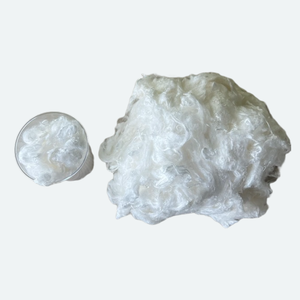
Hydroxypropylmethylcellulose HPMC 200000 Mpas vovoka fotsy ho an'ny fanampim-panampiana simika / mortar

Chemical factory hpmc hydroxypropyl methyl 200000 cps cellulose vovoka s hpmc

orinasa avo lenta simenitra Additive Cellulose Etera Building Material HPMC sy Free santionany misy

Haofang High Quality Hydroxypropyl Methyl Cellulose HPMC ho an'ny fanorenana ho an'ny Skim Coat Simenitra fotsy
Hpmc Chemicals avo lenta 99% Hydroxypropyl Methyl Cellulose Hpmc