


Addittivi tal-Konkrit Ħfief | Aġenti tar-ragħwa ta 'prestazzjoni għolja għall-konkrit ċellulari


PARAMETRI TAL-PRODOTT
Deskrizzjoni
Introduction to Hydroxypropyl Methyl Cellulose HPMC Used in Production of Honeycomb Ceramics
Hydroxypropyl Methylcellulose (HPMC), li l-isem Ċiniż tiegħu huwa hydroxypropyl methylcellulose, huwa semi-sintetiku, etere taċ-ċelluloża mhux joniku miksub billi timmodifika kimikament iċ-ċelluloża naturali. Dan it-trab abjad jista 'jifforma soluzzjoni viskuża trasparenti wara li jinħall fl-ilma. Għandu tħaxxin eċċellenti, żamma tal-ilma, stabbiltà u proprjetajiet li jiffurmaw il-film. Huwa addittiv multifunzjonali indispensabbli f'ħafna oqsma bħall-kostruzzjoni.
Characteristics and advantages of Hydroxypropyl Methyl Cellulose HPMC Used in Production of Honeycomb Ceramics
Solubilità eċċellenti fl-ilma: Jista 'jinħall malajr f'ilma kiesaħ biex jifforma soluzzjoni ċara u stabbli.
Tħaxxin effiċjenti u kapaċità ta 'żamma tal-ilma: Żid il-viskożità tal-materjal, tnaqqas b'mod effettiv l-evaporazzjoni tal-ilma, u ttejjeb l-effiċjenza tax-xogħol.
Stabbiltà tajba: Għandu stabbiltà tajba għall-aċidi, alkali, u melħ, u huwa adattat għal firxa wiesgħa ta 'valuri tal-pH.
Effetti li jiffurmaw il-film u protettivi: Wara t-tnixxif, jifforma film iebsa u trasparenti biex jipproteġi s-sottostrat u jipprevjeni l-penetrazzjoni u l-evaporazzjoni tal-ilma.
Mhux tossiku u mhux irritanti: Għandu bijokompatibilità tajba u huwa adattat għall-oqsma tal-mediċina u l-ikel.
Aġġustabilità: Billi tbiddel il-grad ta 'sostituzzjoni u l-piż molekulari, il-prestazzjoni tagħha tista 'tiġi aġġustata biex tissodisfa rekwiżiti ta' applikazzjoni differenti.

Specifications of Hydroxypropyl Methyl Cellulose HPMC Used in Production of Honeycomb Ceramics
Speċifikazzjonijiet ta 'Hydroxypropyl Methyl Cellulose (HPMC) for Honeycomb Ceramic Manufacturing
Key Physical and Chemical Characteristics
Ħares: Abjad għal beige, trab li jiċċirkola ħieles. No noticeable impurities.
Dimensjoni Bit: Jgħaddi minn skrin ta' 100 malji (≥ 95% retained). Makes certain consistent blending and constant extrusion habits.
Methoxy Kontenut tal-Web: 19– 24%. Controls thermal decomposition rate throughout binder exhaustion.
Materjal Hydroxypropoxy: 4– 12%. Enhances water retention and environment-friendly strength of ceramic bodies.
Viskożità (2% soluzzjoni fi 20 ° C): 4,000– 100,000 mPa · s. Picked based on extrusion needs– reduced thickness for high-speed developing, higher for complicated geometries.
pH (2% soluzzjoni likwida): 5.0– 8.0. Neutral variety prevents unwanted reactions with ceramic basic materials.
Kontenut ta' Wetness: ≤ 5.0% (by loss on drying out at 105 ° C). Reduced dampness guarantees secure storage space and predictable efficiency.
Irmied Kontenut tal-Web: ≤ 5.0%. Decreases deposit after natural fatigue, maintaining pore framework and wall integrity.
Performance in Porcelain Handling
HPMC acts as a momentary binder in honeycomb ceramic production. It gives plasticity during extrusion and maintains form before shooting. The polymer decays easily in between 200 ° C u 400 ° C without leaving carbon down payments. This clean burnout is critical for attaining high porosity and reduced stress drop in final filters or catalyst sustains. Water solubility allows simple consolidation into aqueous ceramic slurries. Good film-forming capacity boosts environment-friendly toughness, lowering damage throughout handling and drying. Batch-to-batch consistency in thickness and alternative levels guarantees reliable extrusion rates and dimensional accuracy of the honeycomb framework.
Suppliers choose HPMC qualities based upon wall density, cell thickness, and production rate. Fine-tuned specs help prevent problems like cracks, liwi, or blocked channels. Appropriate diffusion in the mix prevents jumble and ensures even distribution throughout the ceramic body.
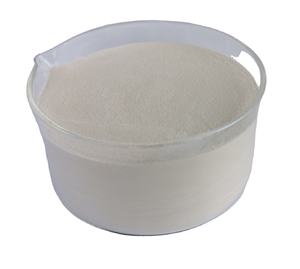
Applications of Hydroxypropyl Methyl Cellulose HPMC Used in Production of Honeycomb Ceramics
Applikazzjonijiet ta 'Hydroxypropyl Methyl Cellulose (HPMC) in Honeycomb Ceramic Manufacturing
Binding and Forming Support
Idrossipropilmetil ċelluloża (HPMC) plays a vital function in making honeycomb ceramics. It serves as an organic binder during the developing phase. When combined with ceramic powders like cordierite or alumina, HPMC assists hold particles together. This offers the environment-friendly body enough stamina to keep its shape before firing. Mingħajr HPMC, the framework can break or break conveniently during handling.
Regulated Water Retention
HPMC iżomm l-ilma tajjeb. This property slows down drying and prevents fast wetness loss. Rapid drying out usually causes cracks or bending in ceramic components. Mal-HPMC, water leaves the material evenly. That brings about uniform contraction and fewer problems in the final product.
Lubrication During Extrusion
Honeycomb porcelains are generally made by extrusion. HPMC functions as a lubricant in the mix. It minimizes friction in between ceramic fragments and the die wall surface. This makes extrusion smoother and helps create clean, consistent channels. The outcome is a much more accurate honeycomb structure with also wall thickness.
Fatigue Habits
HPMC wears out easily during the shooting procedure. It leaves little to no ash behind. This is important since remaining carbon or residue can obstruct pores or deteriorate the ceramic. A full and tidy fatigue guarantees high porosity and solid mechanical efficiency in the completed component.
Improved Green Stamina
The addition of HPMC increases the green strength of unfired ceramics. Employees can handle, tnaqqas, or examine parts without damage. Better eco-friendly strength additionally supports automation in assembly line. This reduces waste and elevates total return.
Profil tal-Kumpanija
Aħna l-mexxej globali fil-konkrit ħafif u soluzzjonijiet avvanzati tal-fowm ta 'inġinerija. Magħruf globalment għall-impenn tiegħu għar-riċerka, innovazzjoni, u kompetenza applikata, ilna nipprovdu soluzzjonijiet ta 'fowm inġinerija mill-bidu tal-2012.
Nistgħu nipprovdu taħlita ta 'konkrit ta' kwalità għolja u prodotti relatati mal-konkrit tal-fowm mad-dinja kollha.
Il-kumpanija għandha dipartiment tekniku professjonali u dipartiment ta 'superviżjoni tal-kwalità, laboratorju mgħammar tajjeb, u mgħammra b'tagħmir ta 'ttestjar avvanzat u ċentru ta' servizz għall-konsumatur ta 'wara l-bejgħ.
Jekk inti interessat, jekk jogħġbok tħossok liberu u ikkuntattjana.
Ħlas
T/T, Unjoni tal-Punent, Paypal, Karta tal-Kreditu eċċ.
Ġarr bil-baħar
Bl-ajru, bil-baħar, bl-espress, kif jitolbu l-klijenti.
5 FAQs of Hydroxypropyl Methyl Cellulose HPMC Used in Production of Honeycomb Ceramics
Frequently Asked Questions About HPMC in Honeycomb Ceramic Production
What is HPMC and why is it used in honeycomb ceramics?
HPMC tirreferi għal Hydroxypropyl Methyl Cellulose. It is a water-soluble polymer added to ceramic mixtures. In honeycomb ceramic production, HPMC jaġixxi bħala binder. It helps hold ceramic particles together before firing. This improves green strength and reduces cracking during drying.
How does HPMC affect the extrusion process?
HPMC makes the ceramic paste smoother and more uniform. It increases viscosity just enough to support shaping without blocking the die. The material flows steadily through the extruder, forming clean, consistent honeycomb channels. Mingħajr HPMC, the paste may tear or collapse.
Does HPMC leave any residue after firing?
Nru. HPMC burns out completely during the firing stage. It decomposes at temperatures between 200°C and 400°C. After full sintering, no carbon or ash remains. The final ceramic structure stays pure and porous, as required for filters or catalyst supports.
What grade of HPMC should be used?
Use a medium-viscosity grade with good thermal stability. Low-viscosity types may not bind well. High-viscosity types can make extrusion hard. The right grade ensures easy processing and strong green bodies. Always match HPMC specifications to your ceramic formulation and firing schedule.
Jistgħu wisq HPMC jikkawżaw problemi?
Iva. Adding too much HPMC slows drying and may trap moisture. This leads to bloating or cracks during firing. Excess HPMC also raises organic content, which can create smoke or uneven burnout. Stick to recommended dosages—usually 1% biex 3% bil-piż ta' solidi niexfa.
ITLOB KOTAZZJONI
PRODOTTI RELATATI
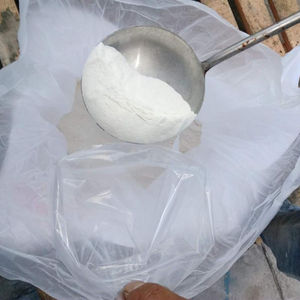
Hydroxypropyl Methyl Cellulose HPMC is Used for Ceramic Tile Adhesive Plaster Detergent Wall Putty Joint Filler Gypsum
Hydroxypropyl Methyl Cellulose ether HPMC għal mehrież ibbażat fuq is-siment

Taħlita tal-Konkrit u Taħlita ta' Mehrież Personalizzat Hydroxypropyl Methyl Cellulose HPMC Trab abjad li jħaxxen għal Mehrież tas-Siment
Trab ta 'Kwalità Għolja ta' Kostruzzjoni Mehrież Hydroxypropyl Methyl Cellulose Ethere 200000 Viscosity Tile Adeżiv Hpmc
Hydroxypropyl Methyl Cellulose HPMC for Cement Industrial Grade 200000
